

5 ways motorists can save petrol in South Africa


South Africans are at risk of higher fuel prices in the coming months amid the crisis in the Middle East.
The USA and Israel launched military strikes on Iran over the last week, which have led to over 1,000 deaths, including Ayatollah Ali Khamenei.
Iran responded by launching attacks in several nearby Arab nations that house US military bases, including Qatar, the UAE and Kuwait.
On top of the physical risks to South Africans living in the region, the conflict is set to have a massive impact on fuel prices, given the region’s vast oil reserves.
Data for the end of the first week of March showed massive under-recoveries for petrol and diesel prices.
Petrol prices are showing an under-recovery of R2.40 per litre, while diesel prices are in the red by about R4.50 per litre. These are the projected levels at mid-month:
- Petrol 93: increase of R2.28 per litre
- Petrol 95: increase of R2.41 per litre
- Diesel 0.05% (wholesale): increase of R4.39 per litre
- Diesel 0.005% (wholesale): increase of R4.50 per litre
- Illuminating paraffin: increase of R6.60 per litre.
The CEO of MasterDrive, Eugene Herbert, said that the uncertainty around current economic events and the possibility of ongoing price increases make saving fuel at every opportunity vital.
While there are several other well-known methods to save fuel, such as avoiding speeding or not idling, Herbert provided a host of other, less commonly discussed ways to ensure optimal fuel consumption.
Low-quality engine oil
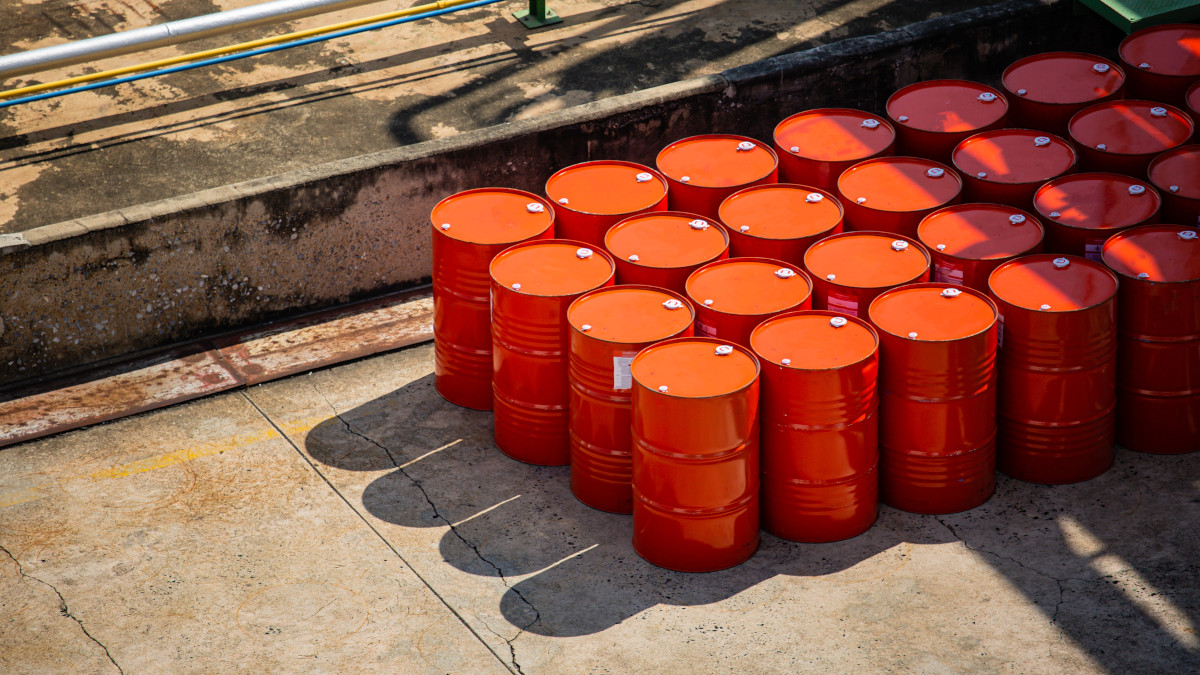
Using oil with the wrong viscosity will put pistons and other moving parts under more pressure, which requires more fuel.
“Check your manual or ask your dealership for the correct engine oil and do not neglect to change your oil at the correct mileage,” said Herbert.
Tyre condition
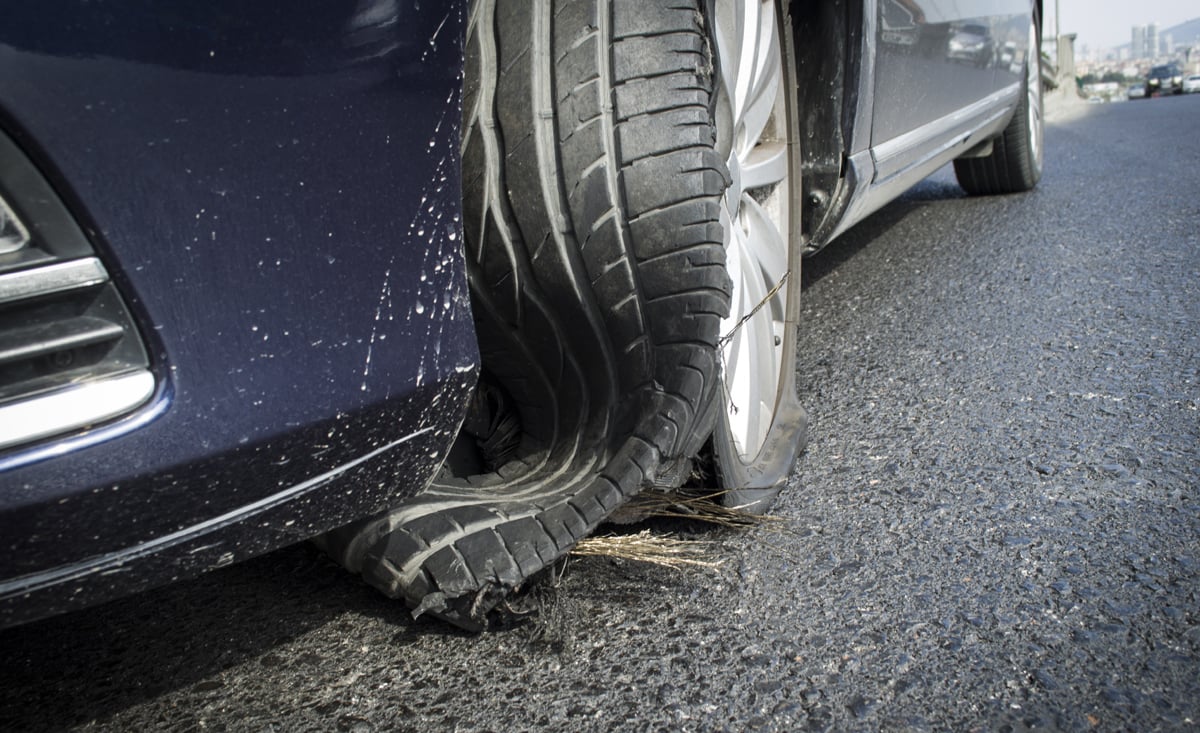
Bad tyres also have less traction and use more fuel as they spin faster to maintain speed. Low tyre pressure and misaligned tyres may also increase fuel consumption.
This is on top of the other risk factors associated with tyres in poor condition, including reduced grip and a higher risk of blowouts.
Avoid short trips
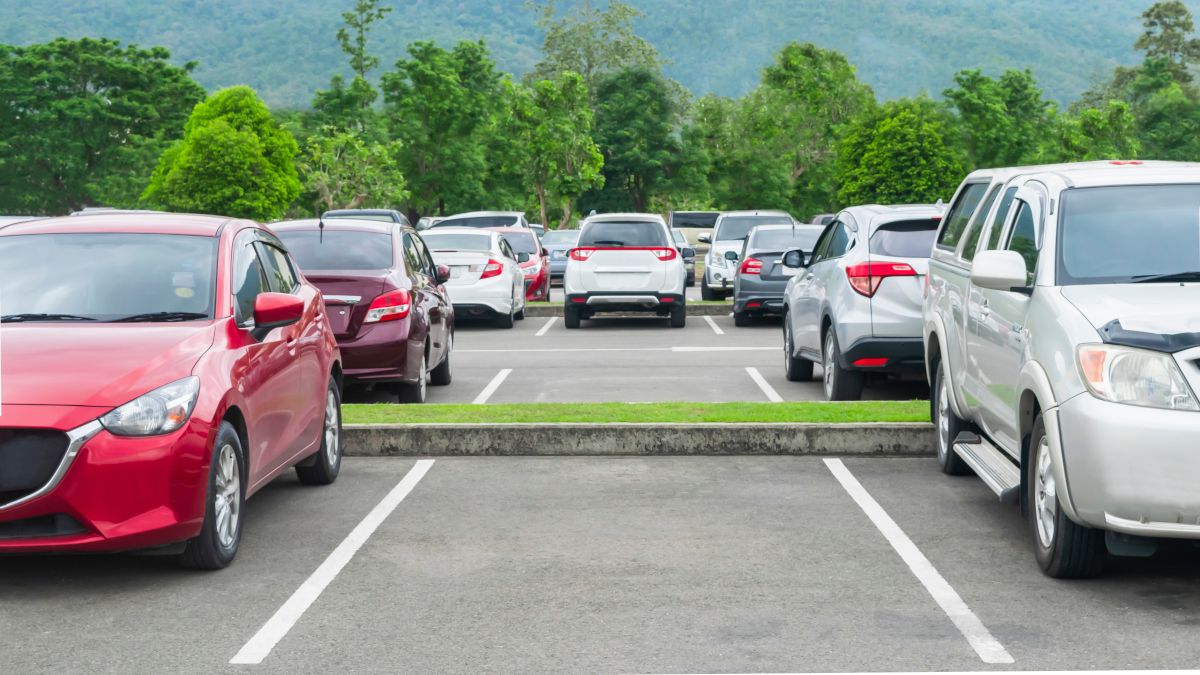
Trips less than 5km consume more fuel because the vehicle has not warmed up yet, which is especially the case for older engines.
That said, modern fuel-injected vehicles also run richer and less efficiently during the first few minutes of operation.
“Where possible, combine your errands and get all your chores done on the same day to get more kilometres from your tank,” said Herbert.
Car servicing
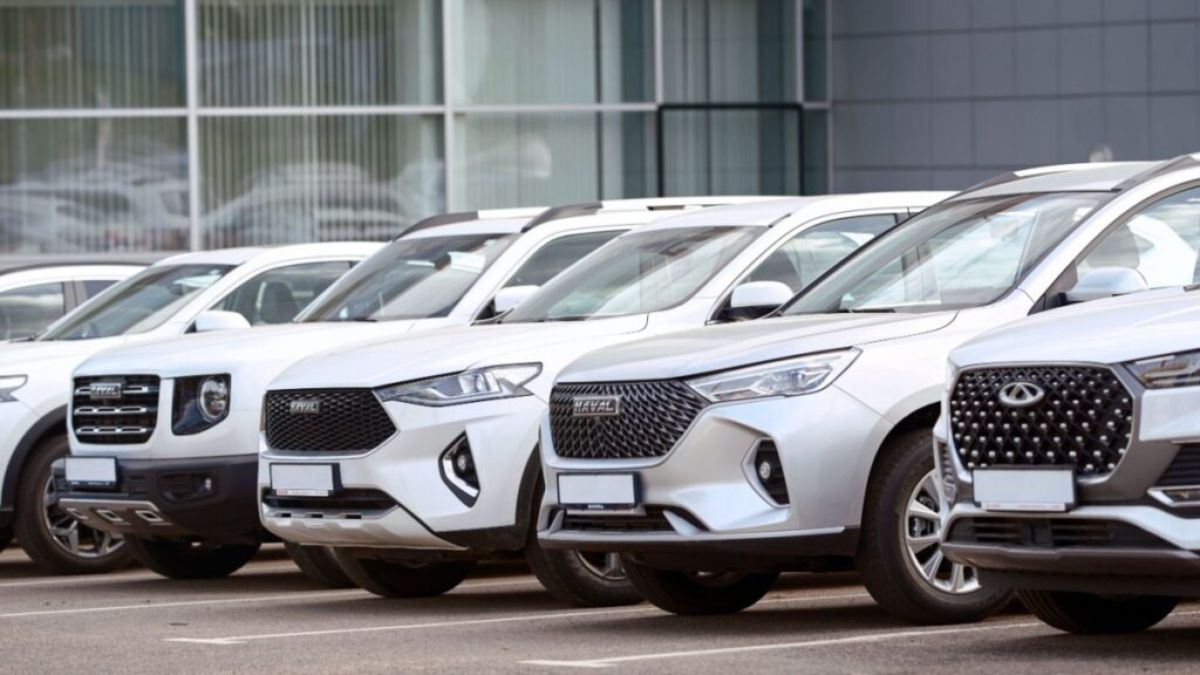
Bad car services, which include failure to replace spark plugs or fuel and air filters, can increase fuel consumption. Worn fuel injectors can also cause fuel to burn faster.
“Do not neglect to replace faulty parts or neglect to service your vehicle on time.”
Bad driving
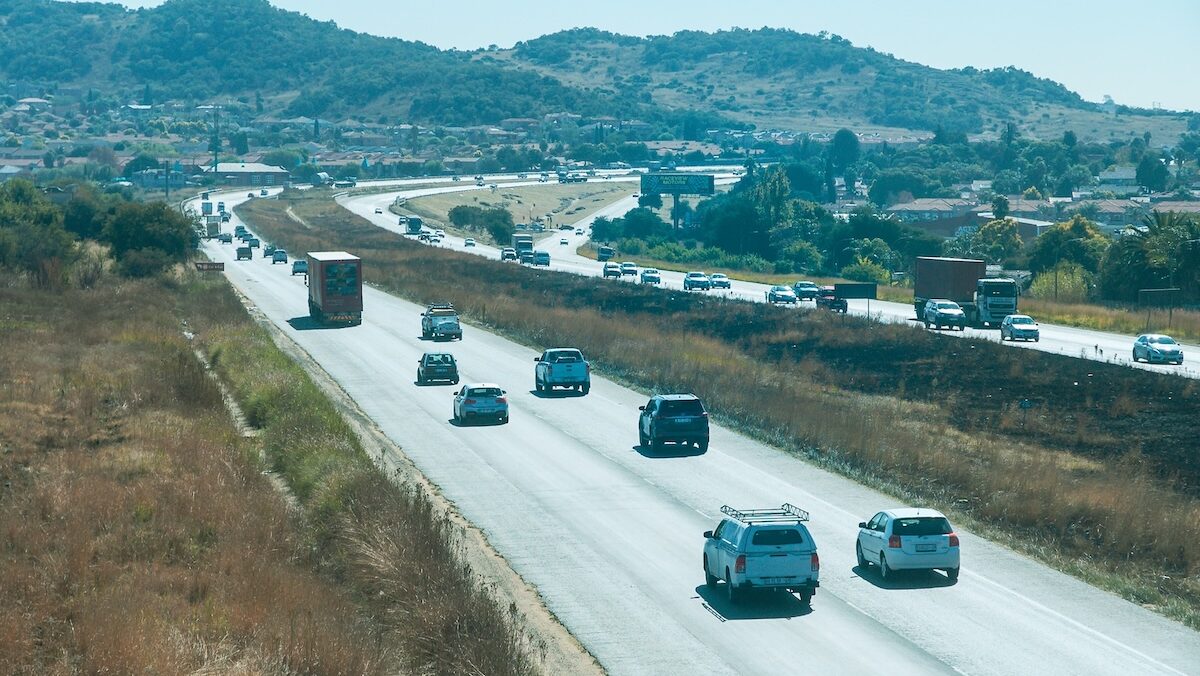
Driving in the wrong gear, accelerating harshly from a standstill, or driving in high gears up hills or around corners all lead to increased fuel use.
Manual vehicle drivers with bad clutch control or worn clutches can also lead to increased consumption.
“Every effort one makes to conserve fuel makes a difference. When all of these are combined, the effect will be even greater,” said Herbert.


















 Loading ...