

Unique factory carrying a small town in South Africa risks shutting down after 60 years


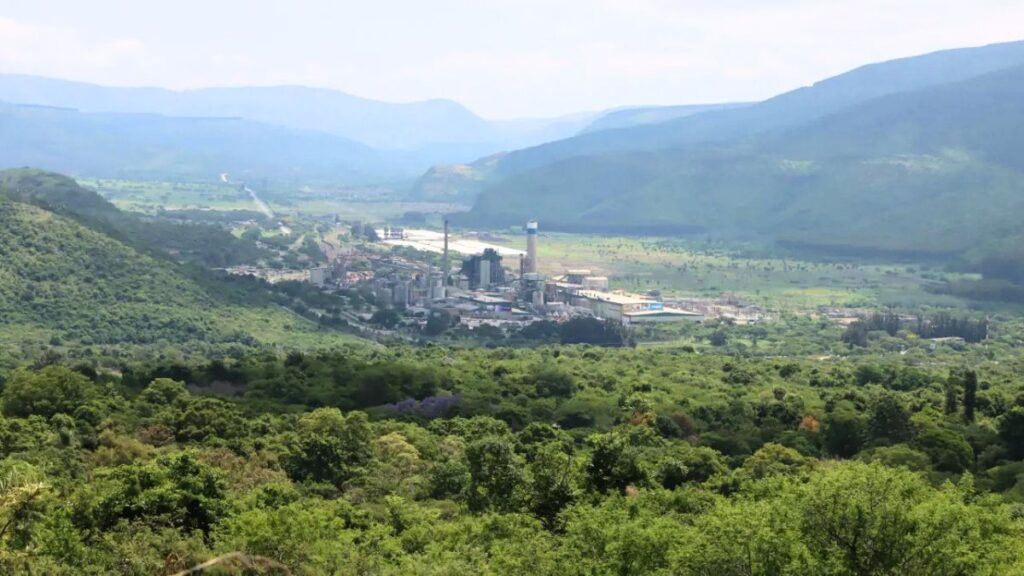
The Sappi Ngodwana Mill in Mpumalanga—and the small town that depends on it—could face an uncertain future without urgent government intervention.
Multinational paper and pulp producer Sappi has formally applied to the International Trade Administration Commission of South Africa (ITAC) for a 5% tariff on imported newsprint.
The company has argued that a surge of cheap foreign products is putting the local industry under severe pressure.
The application is currently under consideration, and Sappi has made it clear that the stakes are high.
“With global overcapacity and increasing low-priced imports, Sappi’s newsprint facility has faced persistent financial losses,” the company said in its submission.
“Without the requested tariff intervention, the continued viability of South African newsprint manufacturing is at significant risk.”
The Sappi Ngodwana Mill is a massive industrial operation that has been running since 1966 and is the economic backbone of Ngodwana, a small town in Mpumalanga’s Ehlanzeni District.
The potential loss of the plant would not only disrupt national production but could also devastate the local community that relies on it.
Sappi’s chief executive for Southern Africa, Graeme Wild, told Business Day that the influx of low-cost imports has made it increasingly difficult for the company to compete.
“This has resulted in reduced operating rates and constrained the mill’s ability to compete on a level playing field,” he said.
South Africa’s print sector has already been weakened by the rapid shift to digital media and rising production costs.
Newspapers and magazines have either shut down or moved online, reducing demand for locally produced newsprint.
This has compounded the pressure from imports, creating what Sappi described as a perfect storm for domestic manufacturers. The Ngodwana Mill is a critical industrial hub.
According to its website, it contributes approximately R5.8 billion to the local economy and directly employs around 1,100 people, supporting thousands of livelihoods in the surrounding region.
Produces energy to support 20,000 households
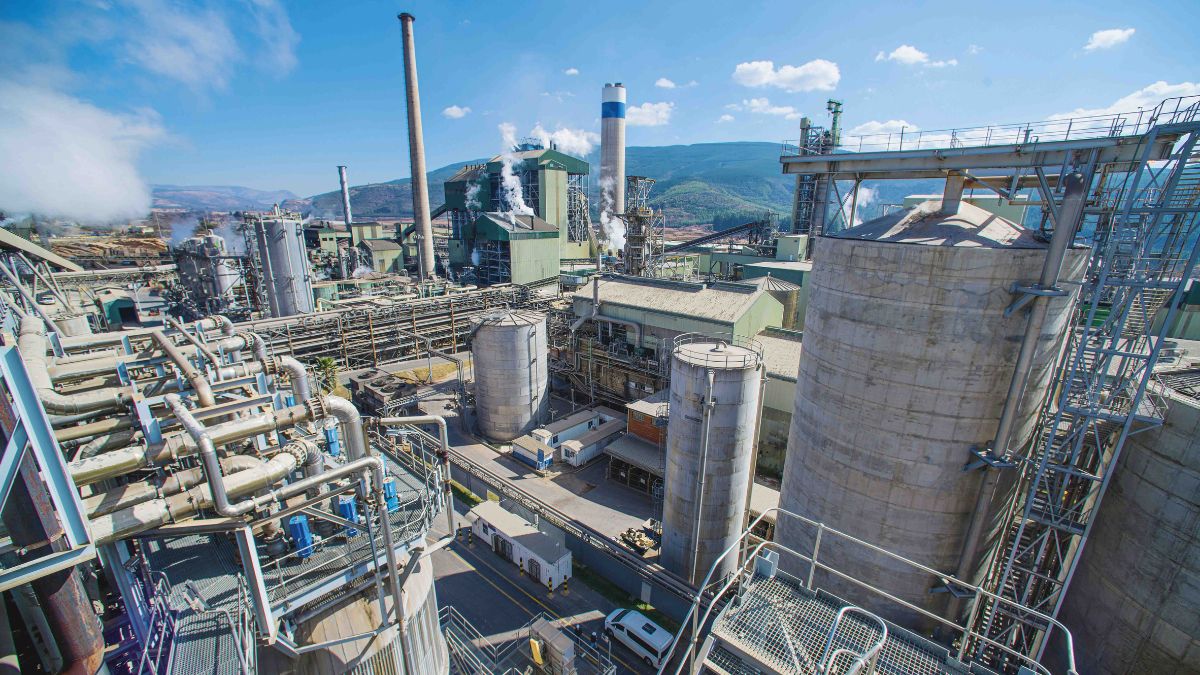
The factory also plays a central role in sustaining secondary businesses, contractors, and community initiatives.
The mill produces a wide range of products, including paper pulp, newsprint, containerboard, and dissolving wood pulp used in textiles and other applications.
Since the launch of its Project GoCell initiative in 2013, it has also tapped into the growing global market for dissolving pulp, diversifying its revenue streams.
In addition to its manufacturing output, the facility is a key contributor to renewable energy generation.
Using biomass, the mill produces steam and electricity, exporting surplus power to the national grid.
On average, this energy supports around 20,000 households and employs roughly 180 people related to its operation.
Sappi has also invested in community upliftment programmes in the region, including a training initiative that has equipped more than 800 residents with construction and building skills.
Many of these trainees go on to find work during annual maintenance shutdowns or in smaller local projects, helping to stimulate economic activity in the area.
Sappi argued that without tariff protection, the continued influx of cheap imports will further erode the competitiveness of locally produced newsprint, placing the entire operation at risk.
“Protection against low-priced imported newsprint is critical to maintain operations, safeguard employment, and support the national economy,” the company said.

















 Loading ...