

Good news for people with DStv in South Africa, and end of an era for Carte Blanche


The rand showed little movement on Thursday after the South African Reserve Bank (SARB) maintained its main lending rate at 6.75%.
The bank indicated that caution is necessary, as rising energy prices driven by the conflict in Iran could lead to higher inflation.
At that time, the rand traded at 17.0025 against the dollar, remaining mostly within a narrow range.
Out of 28 economists surveyed, 21 had anticipated that the SARB would keep its main lending rate unchanged, alongside a hawkish outlook.
“We warned of elevated risks, and we have been proceeding cautiously in our rate setting,” SARB Governor Lesetja Kganyago said, reading out the decision.
“Now a crisis has hit, this prudent approach is proving appropriate.”
An independent economist stated that the central bank’s position is appropriate given the uncertainty and lack of clarity surrounding the duration and impact of the conflict in the Middle East.
In February, South Africa’s annual inflation rate decreased to the central bank’s target of 3%.
However, analysts warned that this slowdown may be temporary, as the ripple effects of the Iran conflict are expected to be reflected in upcoming reports.
“We must wait and see. Should the conflict come to an end soon and oil prices return to normal, at least in part, the possibility of an interest rate cut is likely to arise again later this year,” said an analyst.
South Africa’s producer inflation slowed to 1.8% year on year in February from 2.2% in January, statistics agency data showed on Thursday.
On the Johannesburg Stock Exchange, the Top-40 index was down 1.9% in early trade.
As of Friday, 27 March, the rand is trading at R17.04 to the dollar, R22.74 to the pound, and R19.67 to the euro. Gold is currently valued at $4,445.9 per ounce, while oil prices have risen to $107.6 per barrel.
5 important things happening in South Africa today
Good news for DStv subscribers: DStv subscription fees will not increase in 2026. That’s the commitment from Willington Ngwepe, CEO of MultiChoice (Pty) Ltd, the pay-TV broadcaster’s licensing entity in South Africa. [MyBroadband]
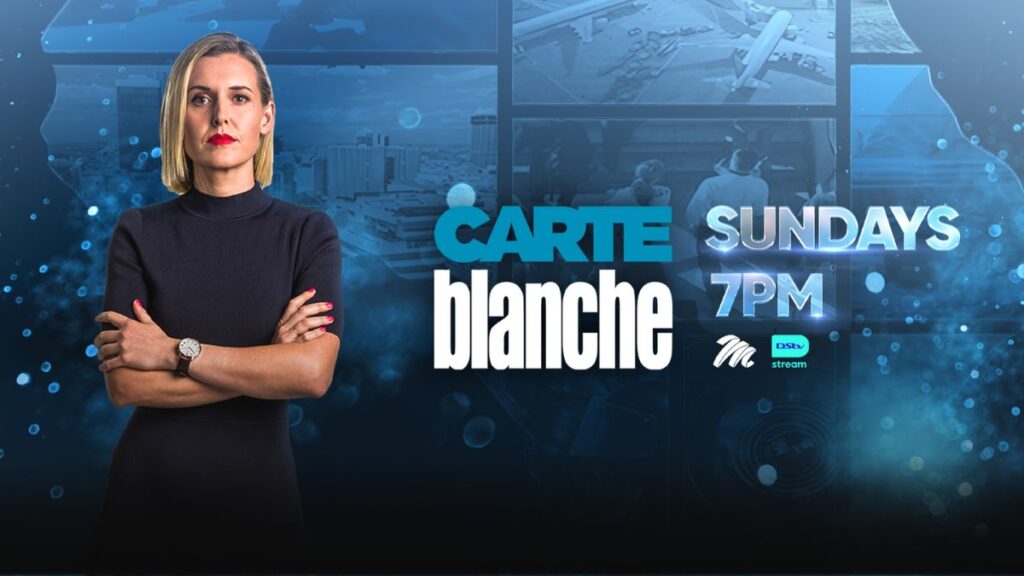
End of an era for Carte Blanche: M-Net’s well-known, long-standing weekly investigative journalism program Carte Blanche will be leaving its offices in Ferndale, Johannesburg. According to the show’s executive producer, John Webb, who spoke with veteran broadcasting journalist Thinus Ferreira, they are set to vacate the rented space by the end of March 2026 due to the building’s owner selling the building. They said they had looked for a new space but decided to improve operational efficiency by adopting a work-from-home model. [MyBroadband]
Good news for interest rates in South Africa: The Reserve Bank’s Monetary Policy Committee (MPC) has decided to keep South Africa’s interest rates unchanged at 6.75% for the repo rate and 10.25% for the prime lending rate, due to increased uncertainty from the Middle East conflict, rising global oil prices, and a weaker rand, which raise inflation concerns. The next meeting is scheduled for 28 May. [BusinessTech]
VAT-free gold on the cards: The National Treasury’s proposal to eliminate the long-standing VAT provision on gold has unsettled the industry, especially with the Constitutional Court set to rule on its validity. [Moneyweb]
Botswana fuel on the cards for South Africans: Transport companies await petrol and diesel price increases on 1 April, but Botswana’s price adjustments in the first week of April may offer temporary relief. South Africa will announce its fuel prices on 1 April. [News24]















 Loading ...