

Another warning to petrol stations in South Africa


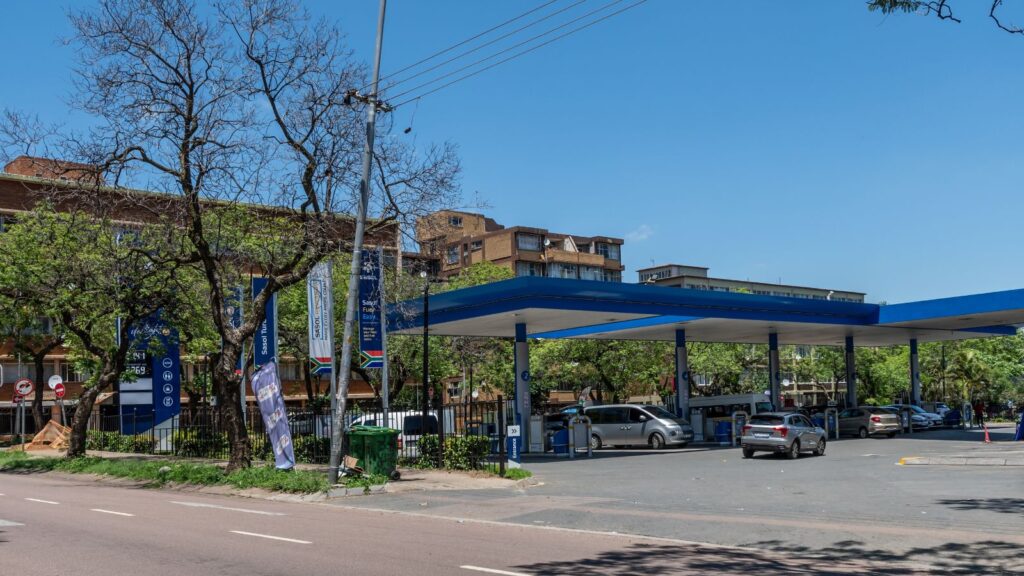
The Competition Commission has warned petrol stations and other businesses that it will investigate any attempts to exploit the oil crisis by significantly raising prices.
This is the feedback from the Commission’s chief economist, James Hodge, who encouraged any consumers and businesses to report where price gouging may be at play.
Speaking in an interview with HOT 102.7FM, Hodge has warned petrol stations, transport operators, suppliers and other businesses not to use the latest fuel price shock as cover for unfair price increases.
He stressed that the Commission will closely monitor signs of price gouging across several sectors in South Africa.
Hodge explained that price gouging is essentially opportunistic and exploitative behaviour in a crisis where businesses take advantage of supply disruptions or major cost shocks to profiteer.
He said the concern is not only about what motorists will pay at the pump, but also how rising fuel and oil-linked costs could spread through the broader economy.
“Consumers and even other businesses will be expecting some price increases, obviously at the pump, but also beyond that,” he said.
He noted that the impact of higher fuel and oil prices can ripple across the economy, affecting everything from fertiliser and plastics to transport and food.
This makes the situation dangerous for consumers and smaller businesses, who may expect prices to rise but have no clear way of knowing what is reasonable.
According to Hodge, the Commission is particularly concerned about two common forms of price gouging.
The first is what he described as “jumping the gun,” where a business raises prices before it has actually experienced a higher cost itself.
“You’re sitting with stocks at the old price, which you could sell at the old price, but you choose to sell at the new price,” he said.
The second is where a business raises prices by far more than the increase in its own costs. Hodge said both of these practices have already been recognised by the courts as forms of price gouging.
Department of Mineral and Petroleum Resources is also keeping a close eye
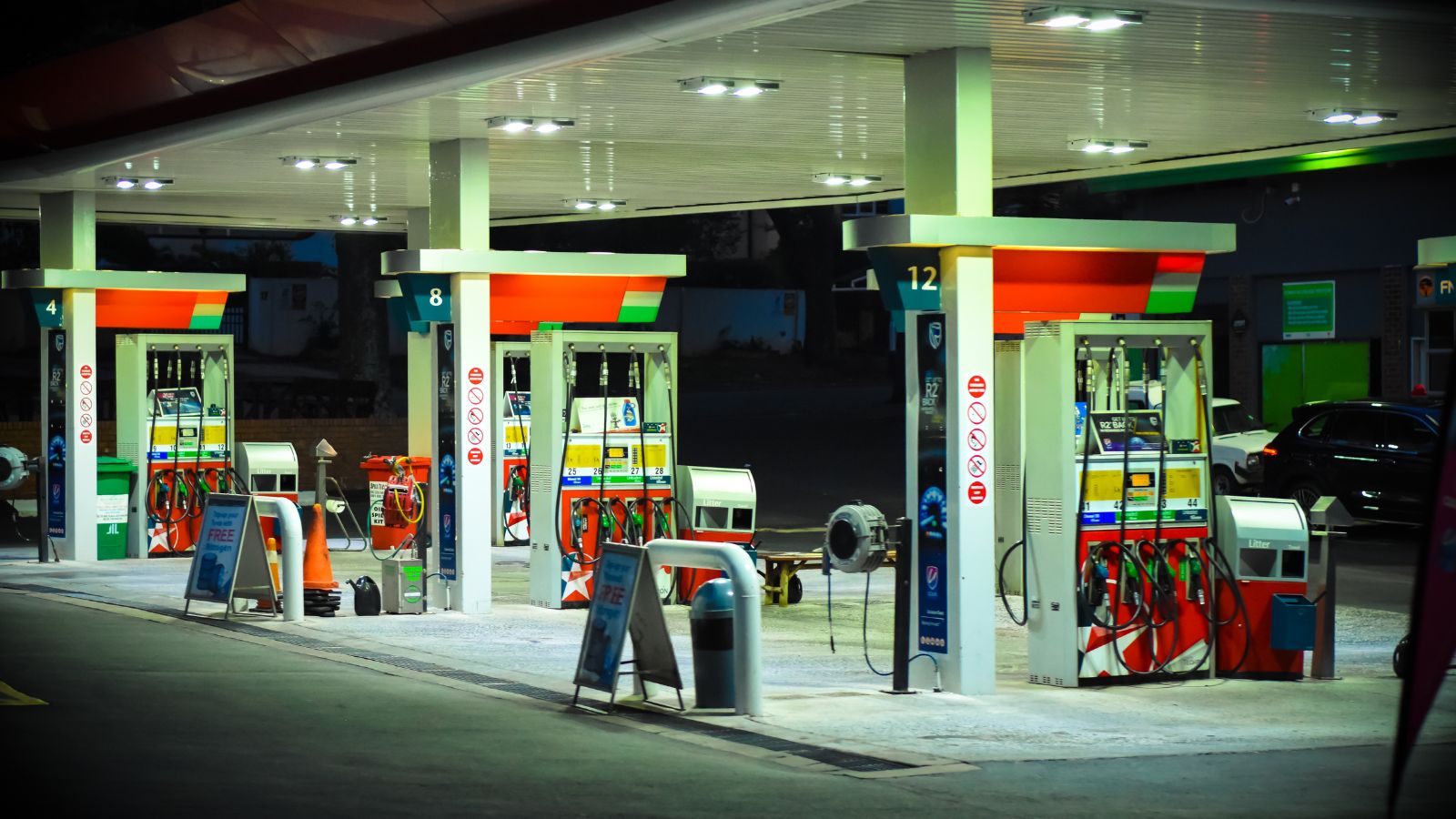
He added that there is also a third warning sign businesses should keep in mind. This is whether they pass on price decreases when costs eventually decline.
Hodge said this is a major issue because businesses often push prices up fast, but are much slower to bring them back down.
The Competition Commission previously flagged this behaviour in multiple cost-of-living reports, describing it as a “rocket and feather” trend.
Hodge said the commission has the power to investigate this by looking at any company’s cost structures and profit margins before and after the increases.
“If they haven’t changed, we’ll move on, but if they have increased substantially, then we’re interested in why.”
He urged both consumers and businesses to report suspicious price hikes. He added that complaints from the public and from companies further down the value chain are often the first to alert the Commission.
This warning from the commission follows that of the Minister of Mineral and Petroleum Resources, Gwede Mantashe.
At the end of March, he warned petrol stations that withholding fuel is illegal and that he would prosecute those found doing so in South Africa.
During a Q&A session in the National Assembly (NA) on 25 March, Mantashe made it clear that any deliberate attempt to withhold fuel from the market would not be tolerated.
His warning came amid growing concern over diesel availability in parts of the country, despite repeated assurances from government and industry that South Africa is not facing a national fuel shortage.
Mantashe said there was no overall shortage of fuel in South Africa, nor is one expected. However, reports from across the country suggested that many filling stations and wholesalers were struggling to source diesel.
Some claimed they were unable to obtain supplies from the major oil companies that import fuel into the country.
The minister warned that some dealers may have been tempted to withhold fuel to maximise profits this month after the sharp fuel price increases.
However, Mantashe said his department would investigate whether those where diesel suddenly became more widely available once the higher prices kicked in.












 Loading ...