

War is brewing in South Africa


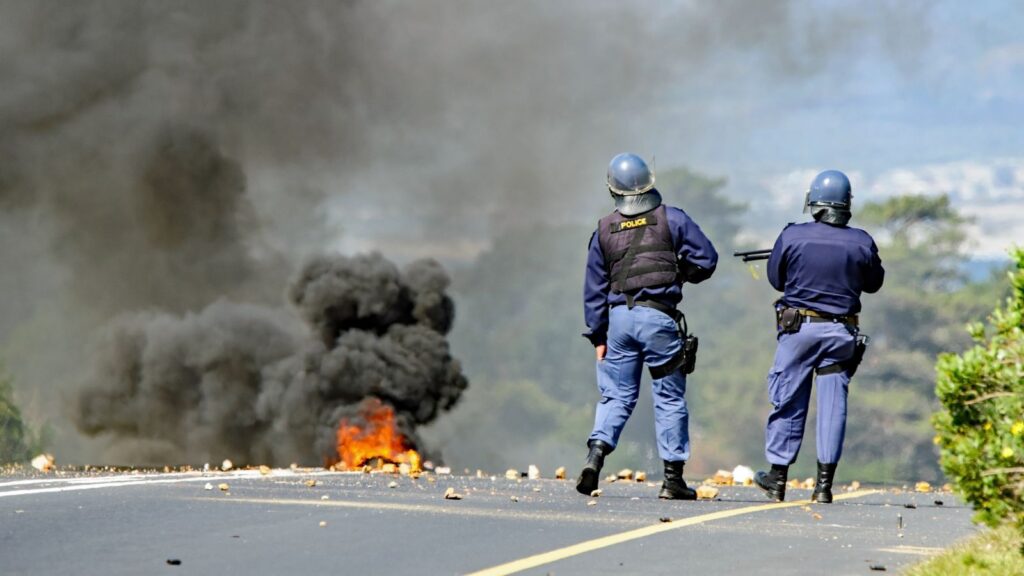
South Africa is facing growing tensions over illegal immigration, with civil society organisations and community groups warning that the country could see further unrest if the situation is not brought under control.
The concern follows a series of protests, confrontations and allegations of intimidation targeting foreign nationals in parts of the country, particularly in Durban.
Anti-illegal immigration groups have reportedly given undocumented migrants until 30 June to leave South Africa.
Hundreds of foreign nationals and refugees have spent several nights sleeping outside the Diakonia Centre in Durban’s CBD after clashes with police near the Durban Central police station.
The foreign nationals said they were forced from their homes after anti-immigration demonstrations escalated in their communities.
Jean Butoki of the Southern Africa Refugee Organisation Forum described the conditions facing those seeking shelter as extremely difficult.
“The nights have been so tough. People are sleeping on the floor. They don’t have blankets; they have nothing, and there isn’t any assistance for us yet,” said Butoki.
“We are ready to die for our safety. We are not scared because we are unsafe even in the communities where we stay.”
The group gathered outside Durban’s Home Affairs Refugee Reception Centre on Che Guevara Road has reportedly grown to more than 400 people. Many fear what could happen as the June deadline approaches.
Foreign nationals have accused members of the anti-illegal immigration movement March and March of intimidation and forcibly removing people from their residences.
However, March and March founder Jacinta Ngobese-Zuma defended the organisation’s stance and argued that undocumented migrants must comply with South African law.
“We don’t owe them anything. I think this is something that we need to reiterate to foreign nationals, because somewhere in their heads there’s a movie that’s playing that South Africa owes them,” she said.
Ngobese-Zuma also questioned claims by some foreign nationals that they have remained refugees in South Africa for decades.
“We’ve noticed that they keep saying we’ve been refugees for 20 years. No refugee can stay in a country for 20 years as a refugee,” she said.
Government to hold a meeting over the illegal immigration crisis
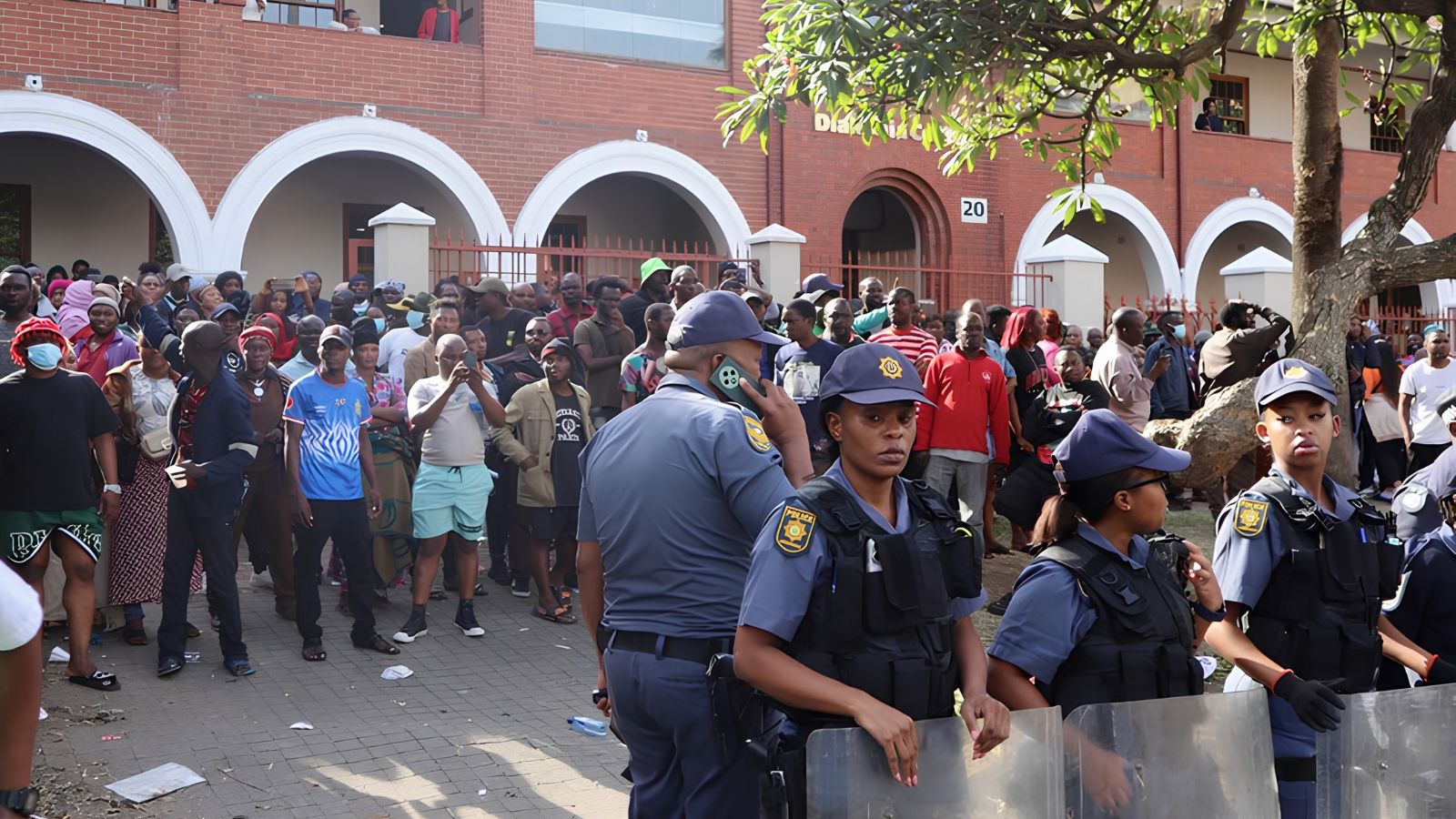
The issue has intensified after groups of protesters demanding the removal of undocumented migrants drew the attention of eThekwini Mayor Cyril Xaba, who instructed officials to verify the immigration status of those affected.
According to the city, officials checked the documentation of 457 foreign nationals and found that only two individuals did not have proper documentation.
The tensions are not limited to Durban. In Qonce, formerly known as King William’s Town, protesters have reportedly targeted businesses they believe are owned by foreign nationals.
Experts have warned that growing frustration over unemployment, poor service delivery and economic hardship is increasingly being directed at migrants instead of government institutions.
Loren Landau from the Wits-Oxford Mobility Governance Lab said immigrants were becoming scapegoats for broader governance failures.
“I think what’s failed is that the South African government has lost the faith of the people, not only because of immigration, but also for other issues such as water, electricity, etc. And immigrants are now being made a scapegoat for those failures,” Landau said.
The Centre for Human Rights at the University of Pretoria also expressed concern over what it described as xenophobic violence, intimidation and vigilante conduct targeting refugees, asylum seekers and migrants.
The organisation warned that reports of women and children seeking refuge at the Diakonia Centre raised serious concerns about dignity, safety and access to state protection.
It stressed that violence and intimidation against foreign nationals undermine South Africa’s constitutional values and human rights obligations.
The centre said challenges such as unemployment, crime, service delivery failures and immigration concerns could not justify violence or vigilante action.
“The enforcement of immigration laws remains the responsibility of lawful state institutions acting within the bounds of the Constitution and the law,” the organisation said.
“No individual or group may assume these powers through intimidation, violence, or mob action.”
It added that repeated attacks on foreign nationals over the years had resulted in deaths, injuries, displacement and lasting trauma, highlighting the need for stronger measures to combat xenophobia and restore stability.
Government leaders are now attempting to prevent further escalation. The Cabinet Security Cluster is holding urgent discussions on illegal immigration protests and broader social tensions across the country.
Ministers responsible for justice, crime prevention and security are expected to discuss a national action plan focused on illegal immigration, xenophobia and social cohesion.
Political parties and organisations that support and oppose anti-illegal-immigration marches are also expected to meet with government leaders as authorities attempt to reduce tensions and establish rules for future demonstrations.












 Loading ...