

Cape Union Mart is in hot water, and new speed cameras to watch out for in South Africa


South African assets rose on Monday, with the rand strengthening, stock prices climbing, and government bonds firming as the dollar weakened.
This shift followed a preliminary agreement between the United States and Iran, which led to oil prices slipping to a three-month low.
The rand was trading at 16.1725 against the dollar, reflecting about a 0.8% increase from its previous close.
Global stocks and bonds rallied, and oil prices fell by 5% as the US-Iran deal alleviated inflation concerns. Consequently, the dollar hovered near a 10-day low against a basket of currencies, as demand for safe-haven assets diminished.
Prices for South African exports also increased, with gold rising for the third consecutive session and platinum gaining over 4%.
Annabel Bishop, the chief economist at Investec, noted, “The rand is likely to see further strength, and other financial market indicators for South Africa may improve as well.”
In a separate development, Statistics South Africa is set to release the May inflation data on Wednesday.
Analysts surveyed by Reuters expect inflation to accelerate to 4.7% year-on-year, up from 4% in April. Traders are also anticipating retail sales data due on Wednesday for additional insights into the health of Africa’s largest economy.
On the Johannesburg Stock Exchange, the Top-40 index rose by more than 3%, primarily driven by significant gains in resources and mining stocks.
South Africa’s benchmark 2035 government bond also showed strength, with the yield decreasing by 14.5 basis points to 8.36%.
On Wednesday, 17 June 2026, the rand was trading at R16.18 to the dollar, R21.74 to the pound, and R18.79 to the euro. Gold is trading lower at $4,323.18 an ounce, while oil prices were at $78.60 a barrel.
5 important things happening
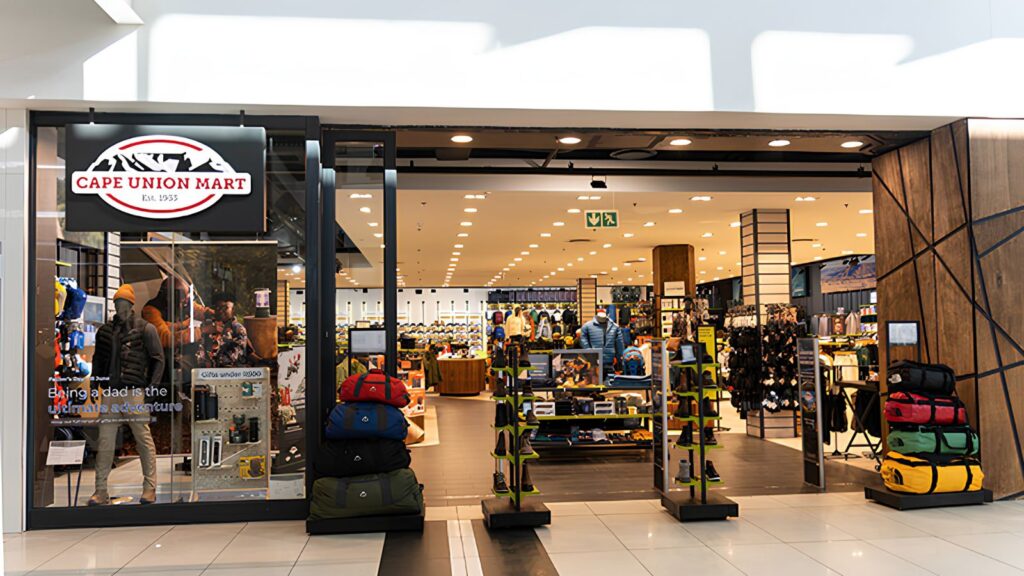
Cape Union Mart in hot water: Cape Union Mart is facing backlash from the Palestine Solidarity Campaign, which accuses executive chairperson Philip Krawitz of supporting Israel’s military. Protesters have organised boycotts and demonstrations, claiming the company is complicit in the Gaza conflict. Cape Union Mart denies these allegations, stating they have never funded the Israeli army. [Newsday]
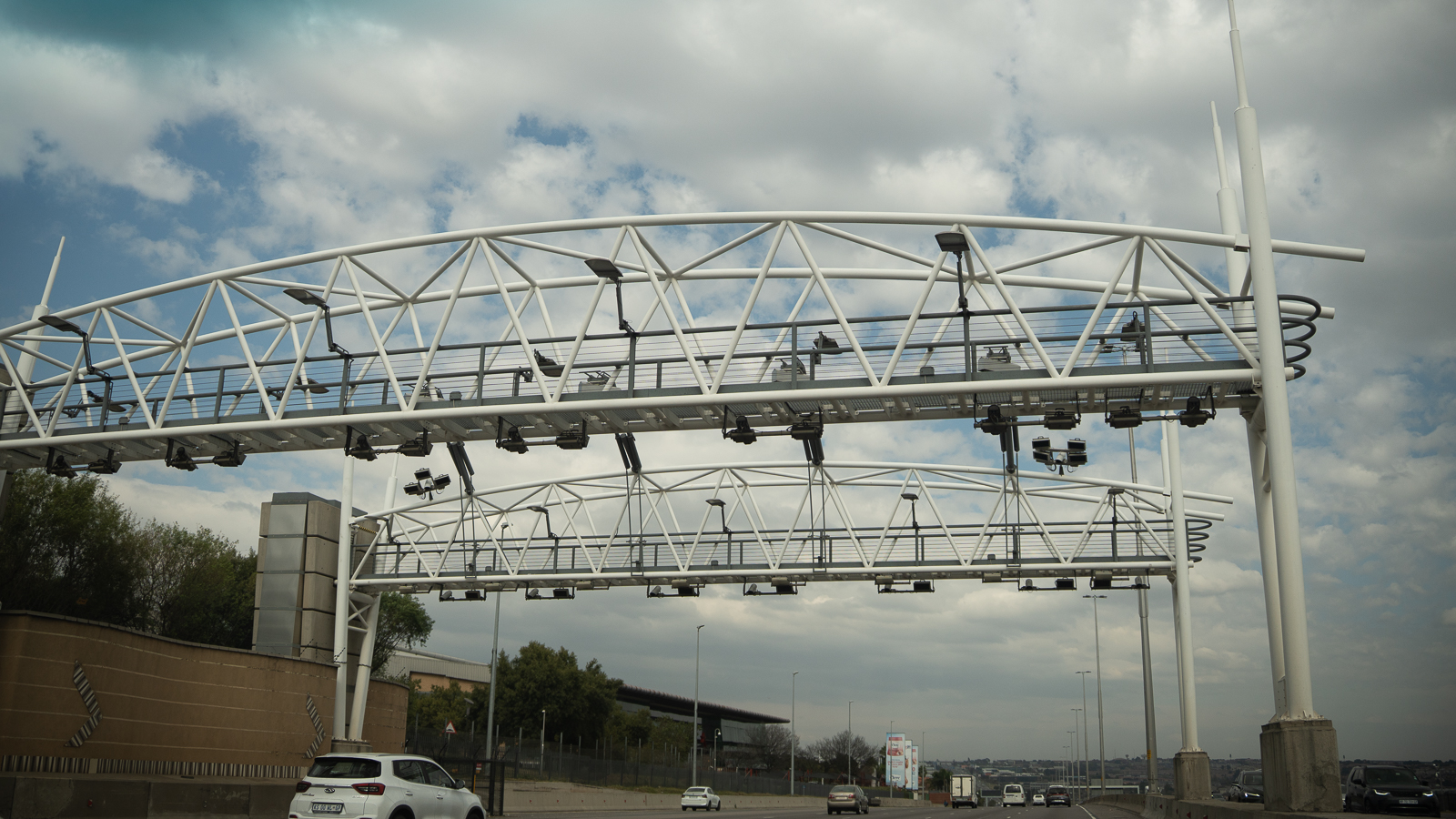
New speed cameras to watch out for: Transport minister Barbara Creecy has reiterated plans by the Gauteng Provincial Government (GPG) to install average speed over distance (ASOD) cameras on e-toll gantries. [MyBroadband]
Interest rate relief for South Africa: Traders have scaled back bets on additional South African interest-rate hikes after a US-Iran peace deal sent oil prices tumbling, potentially reducing inflationary pressures. Forward-rate agreements are now pricing in 15 basis points of tightening at the South African Reserve Bank’s July 23 policy meeting, down from 30 basis points a week ago. [Daily Investor]
BRICS bank throws R16 billion lifeline to South Africa: The New Development Bank (NDB) has approved a $1 billion (R16 billion) loan to South Africa for upgrading infrastructure in its eight metros, home to about 22 million people. The decision was made during a board meeting at the bank’s headquarters in Shanghai. [Business Day]
Private school sells for over R15 million: Mayfair Convent School, a private primary school in Johannesburg with over a century of history, has been sold for over R15 million. [BusinessTech]














 Loading ...