

Good news about interest rates in South Africa this month


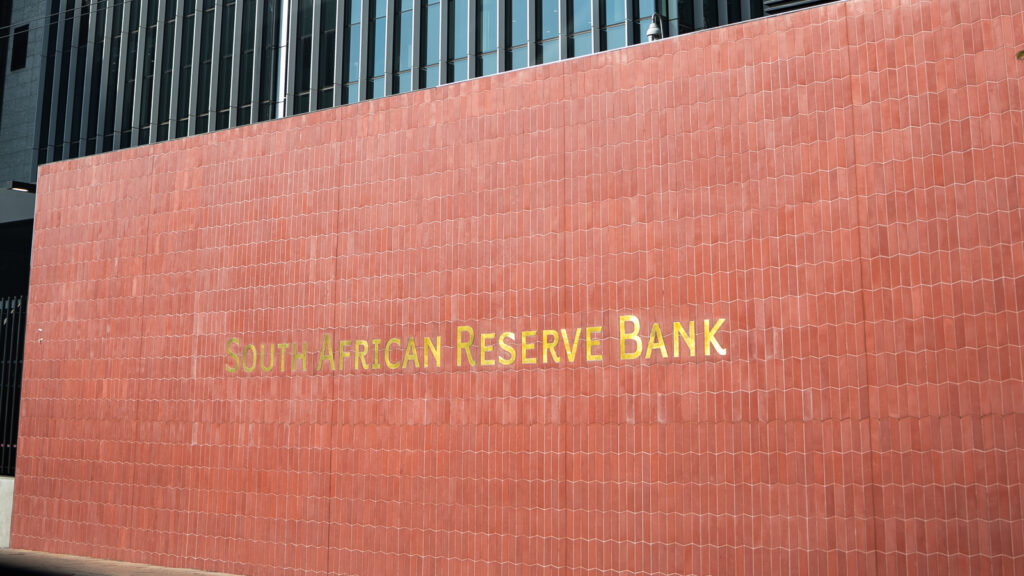
While inflation expectations in South Africa may have increased, PSG Financial Services Chief Economist Johann Els believes that no interest rate hike will be forthcoming in July.
The South African Reserve Bank’s (SARB’s) Monetary Policy Committee (MPC) will meet later this month to set interest rates.
The MPC increased the repo rate by 25 basis points to 7% at its May meeting, as inflation rose to 4.0% in April. Inflation subsequently increased to 4.5% in May.
The Bureau for Economic Research has now released its Q2 inflation expectations, which showed an increase in expected inflation, linked to higher petrol prices during the survey from 18 May to 4 June.
Union inflation expectations for the current year stood at 4.3% in Q2. Expectations further out also shifted higher, from 3.8% to 4.5% in 2027, and from 3.7% to 4.4% in 2028.
“These levels are higher than those of analysts, where there is likely more emphasis on base effects and the expectation that oil prices would moderate,” said Els.
“While these union expectations are somewhat concerning from an MPC perspective, it is important to note that the oil price environment has changed meaningfully since the survey period.”
Oil prices have fallen from roughly $100 per barrel during the survey window to about $75 currently, with the US and Iran having reached a peace deal, which has reopened the Strait of Hormuz.
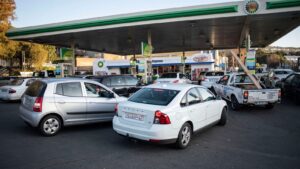
This will see petrol prices drop by R2.01 per litre and diesel prices of R3.14 per litre in July, offering some relief to motorists.
“The return of the fuel levy to normal levels has already been incorporated in these figures. The decline is slightly larger than expected, also reflecting a 44 cents per litre reduction in the slate levy,” said Els.
“Taken together, these fuel price developments should help ease near-term inflation pressure. After peaking in June, likely around 4.8%, CPI inflation should ease back to around 4.2%–4.3% in July.”
Interest rate relief

Els added that the SARB is forward-looking and will be mindful of rising inflation expectations.
That said, having already hiked rates at the last MPC meeting, he does not expect further increases in the July meeting.
“The Committee is more likely to adopt a wait-and-see approach and assess the full impact of recent policy actions and the evolving energy price environment,” he said.
He added that the Q3 survey will likely show some moderation, reflecting lower oil prices and the recent decline in household and firm fuel prices.
“While inflation expectations have risen as expected, the change in the external environment suggests that inflation should peak in June and then gradually decline from July onwards,” he said.
“This should keep the MPC on hold in July. If these conditions persist, there is a growing likelihood that the SARB could begin considering rate cuts from around November onwards into 2026.”
This is data-dependent, especially regarding inflation expectations and global oil dynamics.
For PSG, inflation will reach 4.0% this year, followed by 3.2% in 2027 and 3.0% in 2028, allowing for gradual easing over time.











 Loading ...