

Bankrupt municipalities loot R1.7 billion in pension funds, and South Africa’s richest city running out of cash


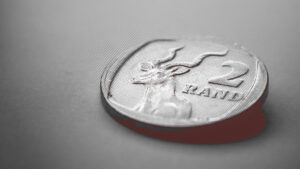
The rand weakened over the past week due to flare-ups in the Middle East, as it remains volatile and susceptible to global market trends.
Asian emerging markets showed gains across the board, benefiting from reduced expectations of US Federal Reserve interest rate hikes, which have put pressure on the dollar.
Like other risk-sensitive emerging market currencies, the rand has been affected by global market sentiment, particularly since the US-Israeli conflict with Iran.
South Africa’s benchmark 2035 government bond remained stable in early trading, with yields decreasing by 5 basis points to 8.325%.
This year, the rand has experienced notable volatility, with its value reaching R17.25/USD, R19.89/EUR, and R22.93/GBP, compared to earlier figures of R15.64/USD, R18.71/EUR, and R21.42/GBP.
The deterioration in the rand’s value can be traced back to the ongoing conflict in the Middle East, especially after it was marked as strong earlier in 2026.
Though the volatility this year has not been as pronounced as in some previous years, tensions in the Middle East persist, varying in intensity, and the rand has pulled back following the latest developments as talks between the US and Iran continue.
For South Africa, the sudden surge in global crude prices poses a risk of reigniting imported inflation pressures, just as the domestic economy was coming to terms with the May Producer Price Index shock of 7.8%.
While the headline Consumer Price Index currently stands at 4.5%, the South African Reserve Bank’s (SARB) Monetary Policy Committee (MPC) is acutely aware that fuel price increases rapidly impact public transport, food distribution, and the broader costs of the consumer basket.
SARB Governor Lesetja Kganyago’s decision to raise the benchmark repo rate to 7% in late May appears increasingly predictive of future trends.
By establishing a robust monetary firewall ahead of time, the SARB has provided the rand with a crucial yield cushion.
However, as the MPC prepares for its upcoming meeting on July 23, policymakers are closely monitoring potential risks.
Prolonged tensions in the Strait of Hormuz could necessitate additional monetary tightening to keep long-term inflation anchored to the SARB’s target of 3%.
5 important things happening today
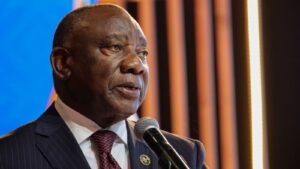
Municipalities pocket R1.7 billion in pension funds: Finance Minister Enoch Godongwana stated that struggling municipalities have pocketed over R1.7 billion from workers’ salaries, failing to transfer it to their pension funds. This is one of the key reasons Treasury has withheld funding from 69 municipalities.
[eNCA]
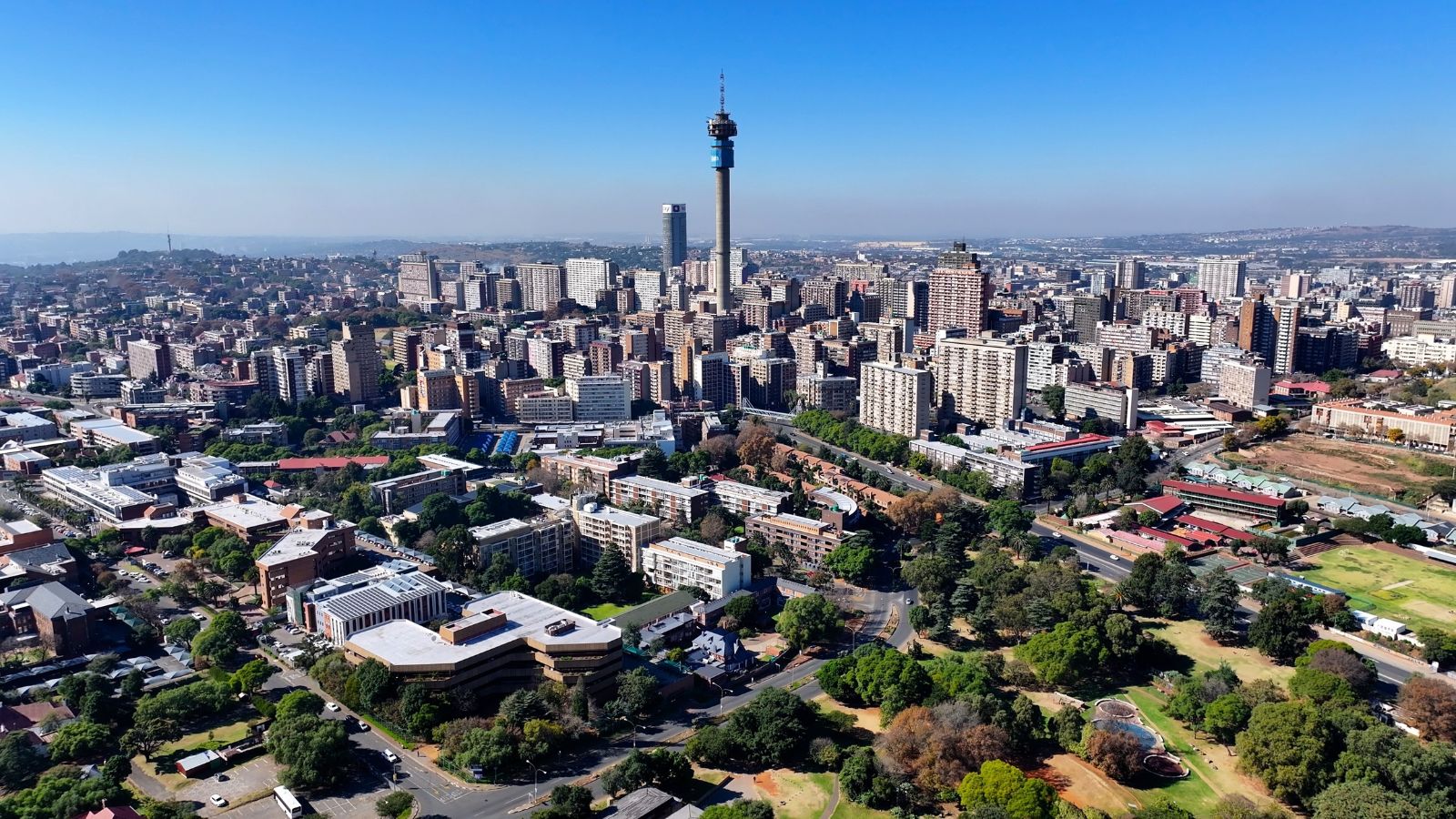
Joburg running out of cash: The City of Johannesburg doesn’t have enough money to cover its expenses. It has only 12 days’ worth of cash on hand, which amounts to approximately R2.8 billion. As of this month, City Power owes its contractors R1.5 billion, Johannesburg Water owes about R1.8 billion, and Pikitup has outstanding payments of R1.3 billion to its contractors. [Business Day]
End of an era for private power: A prominent energy analyst has predicted that privately used electricity generation will soon surpass the capacity procured by the state from independent power producers (IPPs) for feeding into the grid. [MyBroadband]
Cape Town’s ‘Hell Run’ is getting out of control: The N2 highway between Cape Town and Somerset West has become known as the Hell Run due to the violent attacks on motorists. Cape Town Metro Police data showed that 2,215 crime-related incidents were recorded on the N2 and R300 roads between November 2024 and November 2025. [Newsday]
Some good news: South African economic growth is on an upswing as the nation chips away at the bottlenecks that have held it back for years, said Standard Bank. [Daily Investor]













 Loading ...