

Bad turn for South Africa



While South Africa is making progress on reforms, critical sectors like electricity and logistics are moving backwards, risking economic growth and jobs.
According to Business Leadership South Africa (BLSA) chief executive, Busi Mavuso, the latest BLSA Reform Tracker shows a worrying decline in key areas.
The two reforms that matter most for growth, electricity and logistics, are losing momentum, she said, with an attitude of “good enough” after crises have been averted, appearing to seep through.
“For a country with 32% unemployment, good enough is not good enough,” she said.
Mavuso noted that load shedding is over and South Africa’s ports are performing better than at the height of the crisis, but reforms in the sectors are slowing down.
This is especially present in the electricity sector, seen through:
- Delays in the wheeling protocols that would enable electricity generators to sell power over the grid to customers. These were due in April and have now been pushed to September.
- Delays in finalising regulations for the South African wholesale electricity market, which would deliver the genuinely competitive electricity market our economy needs.
- Independent power producers are having their production curtailed.
- Eskom now owes almost R2 billion for electricity not used, undermining investor confidence in independent production.
- The unbundling of the independent system operator from Eskom has been delayed despite it being an unambiguous government policy.
Mavuso said that, since the load shedding crisis is over, the political pressure that drove electricity reform has eased.
While she acknowledged the improvements, “[these] cannot be allowed to translate into slowed implementation of remaining reforms.”
“Energy is a critical growth enabler. If the economy is to grow at the rates we need to make a dent in unemployment, current production capacity will be insufficient,” she said.
She added that genuine competition in the sector is needed and that the reform path needs to be followed—not abandoned.
Logistics is also at risk

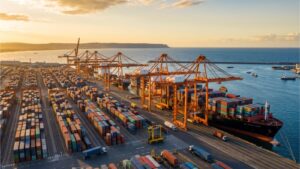
Mavuso said that the same reform slowdown can be seen in the logistics sector.
Like with the electricity sector, rail and ports are performing better, and the sector as a whole is reaching meaningful milestones.
However, there are areas that remain a drag on the economy, such as the Transport Economic Regulator, essential to overseeing a competitive rail market, not yet in operation.
“The unbundling of the rail infrastructure manager from Transnet, to create an independent and neutral provider of rail access to all operators, is going backwards,” she said.
“Without both, the terms set out in the Network Statement cannot be enforced, and the full benefit of private sector participation will not be realised.”
Mavuso said that the sector doesn’t need incremental improvement, but needs a step change in performance.
“The kind of transformation that makes our ports rank among the world’s best and ensures miners and manufacturers can move goods reliably and at competitive cost,” she said.
The business lead noted that the pattern of slowdown in both electricity and logistics draws from the same source: the government.
“Progress happens where government drives it and holds firm. It stalls where SOEs resist, and ministers allow them to,” she said.
Mavuso said that as long as the government fails to deliver the reforms, South Africa will be relegated to lower growth, fewer jobs and market failure.
Conversely, where the government steps in and accelerates reforms—which has been seen in the Department of Home Affairs and in Public Service—the country will reap the benefits.
















 Loading ...