

International private bank launches in South Africa


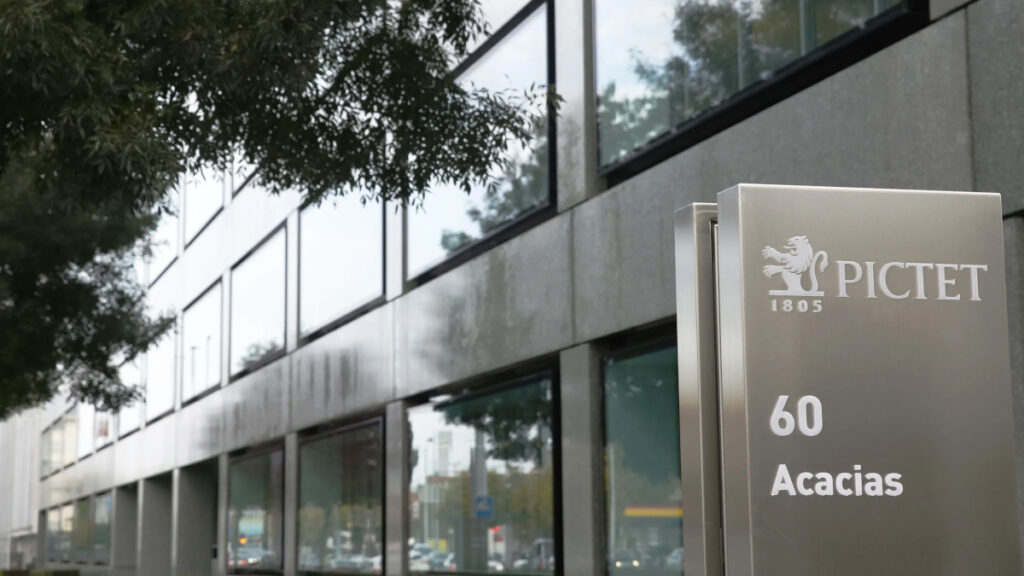
Private banking giant Banque Pictet & Cie has opened a new office in South Africa, marking its first entrance into the African market.
As reported by Business Day, Banque Pictet & Cie’s new office in South Africa marks the first time that the Swiss private lender has had a presence in Africa throughout its 220-year history.
The Prudential Authority, which forms part of the South African Reserve Bank, gave Pictet a license to open a representative office in the country.
The broader Pictet Group had 724 billion Swiss francs (R15 trillion) under management at the end of 2024.
The bank, which is headquartered in Geneva, is one of the largest banks in Switzerland, and offers wealth management, asset management and asset servicing to private clients and institutions.
The Picter Group is Switzerland’s second-largest financial institution after UBS, and Europe’s largest privately held financial institution.
The group is managed by several managing and equity partners, including Marc Pictet from the Pictet family, and is not publicly traded.
Banque Pictet & Cie is owned and managed by seven senior managing partners, with additional equity partners, rather than being a publicly traded entity.
The entrance of the Swiss company into South Africa comes as the number of millionaires in Africa is expected to surge by 65% over the next decade, according to wealth reports from Henley & Partners.
Banque Pictet & Cie is not the only international bank expanding in South Africa; Revolut is also coming to the country.
Revolut applied for a banking license from the South African Reserve Bank (SARB). The expansion into South Africa is part of the group’s goal to grow its customer base from 65 million to 100 million by mid-2027.
Revolut identified South Africa as a key growth market, given its diversified economy, increasing digital adoption, and growing appetite for innovative financial services.
It said that receiving a full commercial banking licence will enable it to deliver innovative and essential financial services that meet the needs of its local customers.
Like Pictet & Cie, Revolut’s entrance into South Africa will become its first market in Africa, even if its target demographics are slightly different.
Revolut aims to expand across the continent as part of its goal of becoming a “truly global bank.”
“South Africans are ready for a new approach to banking,” said Jacques Meyer, South Africa CEO at Revolut.
“Becoming a licensed bank will allow us to bring a full suite of products to the market and ensure we become the go-to financial app for millions of South Africans.”
Others say goodbye

While Banque Pictet & Cie and Revolut are entering the South African market, several other international banks have called it quits.
In September 2024, HSBC said that it would be exiting the South African market after 30 years in the country.
As per its exit, its client base is being transferred and absorbed by FirstRand, having received regulatory approval in June 2025.
HSBC’s clients, banking assets, liabilities and employees were moved to FirstRand under the investment banking focus of Rand Merchant Bank.
FirstRand said that HSBC South Africa’s clients are primarily subsidiaries of multinationals operating in the country and some large domestic corporates.
“This will ensure that the transferred HSBC clients will have ongoing access to corporate and investment
banking services in South Africa,” the group said.
Outside of HSBC, French banking giant BNP Paribas SA officially closed its corporate and investment bank in South Africa in May 2024.
Moreover, Barclays Plc and Standard Chartered Plc have also scaled back across the continent. Their rival Société Générale is also cutting back in Africa.
With reporting from Bloomberg


















 Loading ...