

Major warning about the NHI is coming true


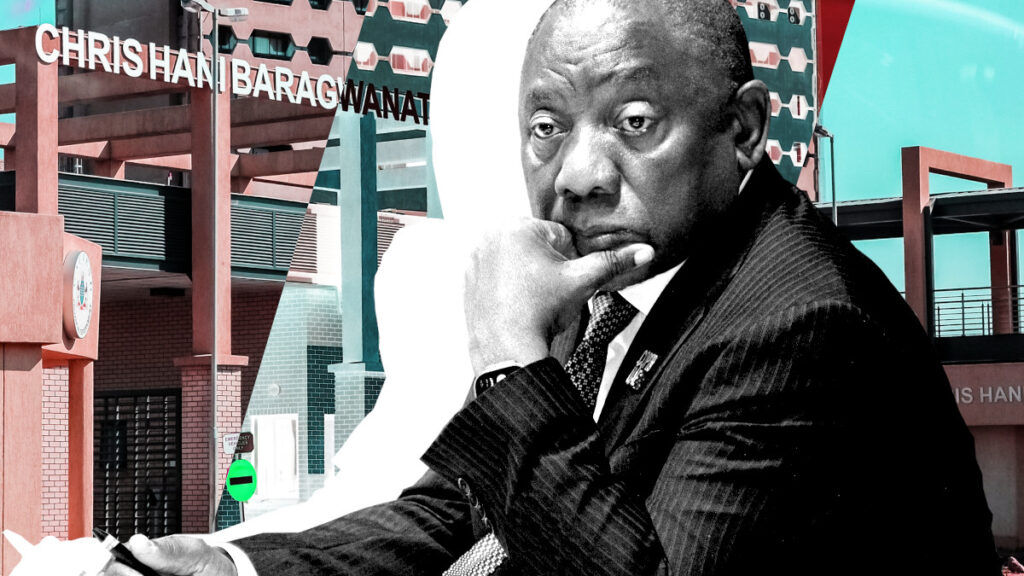
Warnings that the National Health Insurance (NHI) rollout in South Africa would be bogged down by court challenges for years are coming true, as one of the legal challenges has already been deferred.
The Constitutional Court has reportedly deferred a case challenging the rationality of President Cyril Ramaphosa signing the NHI Act into law in 2024.
According to BusinessLive, the court deferred the case on the basis that another ongoing legal challenge—against the processes followed in drafting the bill—could render this case moot.
It wants that case resolved first. That case questions whether parliamentarians considered all inputs when compiling the bill—something industry stakeholders have argued did not happen.
However, by deferring the case, this could lead to the same challenge being brought back before the court at a later stage if the drafting case does not go the way the litigants want.
This would keep the NHI caught up in court battles for even longer.
The NHI has been challenged by eight different organisations representing private hospitals, healthcare funders, doctors, medical professionals, unions and political parties.
The scheme is being challenged on several key grounds, including the rationality of Ramaphosa signing the laws, the processes MPs followed in drafting the laws, sections which effectively dismantle private healthcare funding and medical aids, as well as constitutional issues around choice of access to healthcare.
The Department of Health is fully aware of how these legal challenges threaten the NHI, and how they would weigh down a years- if not decades-long rollout.
In an attempt to counter this, in August 2025, Health Minister Aaron Motsoaledi applied to pause and consolidate all constitutional challenges to the NHI.
He argued that the growing number of cases before different courts risked duplication, wasted resources, and potentially conflicting judgments.
Ironically, this application added another court process to the pile, with the matter before the High Court, which itself could lead to appeals and escalation.
No peace plan coming

The warnings around protracted legal challenges emerged again in 2026, with Finance Minister Enoch Godongwana also recognising they would invariably delay the government’s plans.
During a parliamentary debate, he urged litigants and the relevant government departments to come together to find a resolution out of court.
“Despite a series of court cases, I believe that we can find a solution. These (court cases) will delay the implementation of the NHI,” he said.
“It is my submission that these parties must meet and craft a settlement. We want to move ahead with the implementation of the NHI. These court cases are going to delay it for more years,” Godongwana said.
However, litigants were not receptive to this, saying they had taken the matter to court because the government hadn’t listened to their concerns in the first place.
Many are seeking that the NHI be set aside and that alternatives be considered.
In response, the Department of Health itself said that the NHI couldn’t be debated and changed after it had already been through legislative processes.
It insisted that the NHI is law, and the only way to alter it is through judicial review, not through negotiations or settlements after the fact.
“The correct and legitimate route is judicial review,” it said. “Courts exist precisely to test constitutionality.”
“Let us state the core fact plainly: NHI is law. It is not a draft policy. It is not a discussion document. It is an Act of Parliament, signed by the President, after years of public participation and legislative process,” it said.
“South Africa is therefore not in a bargaining phase about whether universal health financing reform should happen. We are in an implementation phase – and the country must move forward.”
The rollout of the NHI is indefinite, with aspects of the laws already being put in place.
However, it has been envisioned as a multi-year process that, even without legal challenges blocking the way, would take over a decade to be fully realised.


















 Loading ...