

CEO delivers a reality check for South Africa


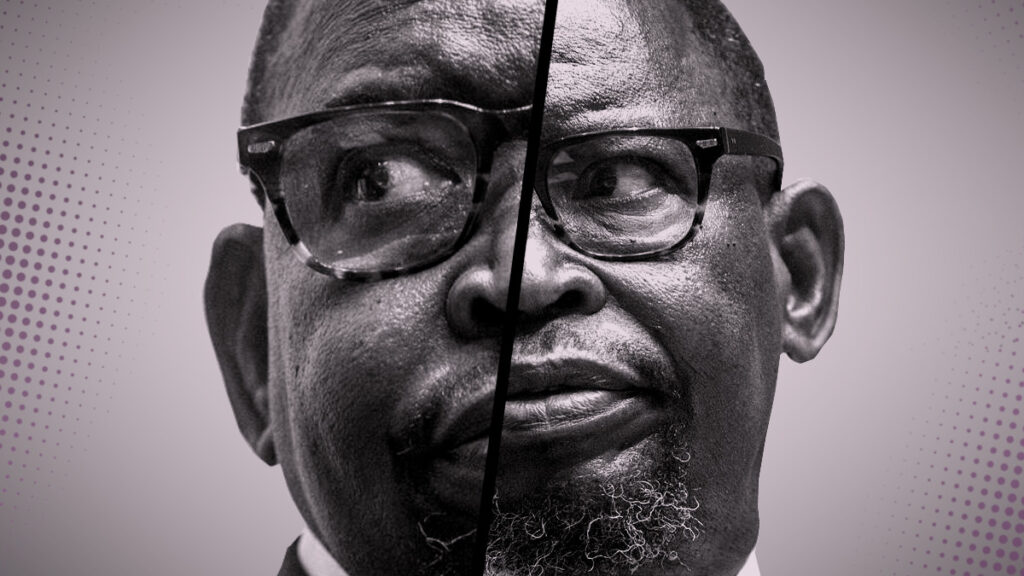
While forecasters and analysts are positive about the country’s current trajectory and reform momentum, South Africans have been warned not to get too ahead of themselves.
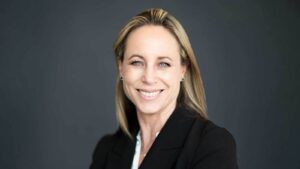
The true shift for the country will still take time, says Business Leadership South Africa (BLSA) CEO, Busi Mavuso, and hinges on the government’s ability to keep things going in the right direction.
South Africa has undoubtedly seen a massive shift in sentiment over the past four to five months, bolstered by a healthy global commodities market, an economic growth trajectory and credible finances.
The shift has been evident in the stronger rand, a change in sentiment, the country’s removal from the FATF grey list, and a credit rating upgrade by S&P Global.
The International Monetary Fund (IMF) recently completed an Article IV consultation in South Africa, a biannual visit to the country where the global financier assesses a country’s economic health, financial policies, and stability.
The IMF’s review of the country was largely upbeat, with South Africa’s economic prospects more positive, and the push towards a 3% inflation target lauded as the right move.
Notably, in an interview following the assessment, the IMF said its analysis indicated that South Africa could see real output increase by up to 9% over the medium term, should the government maintain momentum on reforms and follow best practices.
“Continued, resolute implementation of these sectoral reforms remains crucial, as reliable electricity, railways, ports, and water infrastructure are fundamental for consumers and the economy,” it said.
“We also recommend a comprehensive package of cross-sectoral reforms to improve the business environment, address governance challenges and corruption, and increase labour market flexibility.”
This would support annual growth rates of up to 3%, facilitating more sustainable reductions in unemployment and public debt, it said.
However, BLSA’s Mavuso said this is far easier said than done, and South Africans at large should temper their expectations.
Don’t get too excited

Mavuso said it is important for South Africans not to raise expectations, stressing that the economic benefits of the reforms will take a long time to fully kick in.
“This is a message that is important to convey to the public, particularly in the context of widespread frustration over the lack of job opportunities for the country’s youth,” she said.
While the structural reform programme has the potential to deliver the kind of economic growth that will make a meaningful difference to unemployment and raise living standards, it is a long road ahead.
The real impacts will particularly be felt as municipal-level reforms start to kick in, Mavuso said.
This was also stated by the IMF in its Article IV statement, where it warned that South Africa’s public debt is still running too hot, and lagging policy reforms are holding the country back.
“Risks are tilted to the downside, mainly stemming from global fragmentation, trade tensions, and domestic reform fatigue,” it said.
The slow pace of reforms has entrenched structural impediments that constrain potential growth and employment, it added.
Expectations should be tempered until the 2026 budget at least gives an indication of how South Africa is faring and what lies ahead.
The BLSA CEO said the hope is that the country can build on its recent gains.
“The budget should provide strong support where needed to drive and accelerate reforms, while on the fiscal front, it should build on its trajectory.”
“Last year, there was a primary budget surplus of R68.5 billion, debt-service costs came in R4.8 billion below the Budget estimate, and revenue exceeded expectations by R19.3 billion. These were significant achievements in a low-growth environment.”
Businesses will be looking to Finance Minister Enoch Godongwana to confirm that the fiscal framework holds, that the expenditure reviews he launched will translate into real changes in the 2026 MTEF cycle, and that underperforming programmes are indeed being closed, as he promised.
Mavuso also wants clear messaging that state companies will not receive any further bailouts, that the era of tax increases is over, and that taxpayers’ money is being directed to critical areas like infrastructure.
This is especially true for the water crisis, where even President Cyril Ramaphosa’s promised R156 billion allocation is insufficient to fully address the growing problems.
“South Africa is in a better position today than it has been for a long time. The Budget must reflect that progress – and set out credibly how we build on it,” Mavuso said.











 Loading ...