

Calm before the storm for one of South Africa’s most important employers


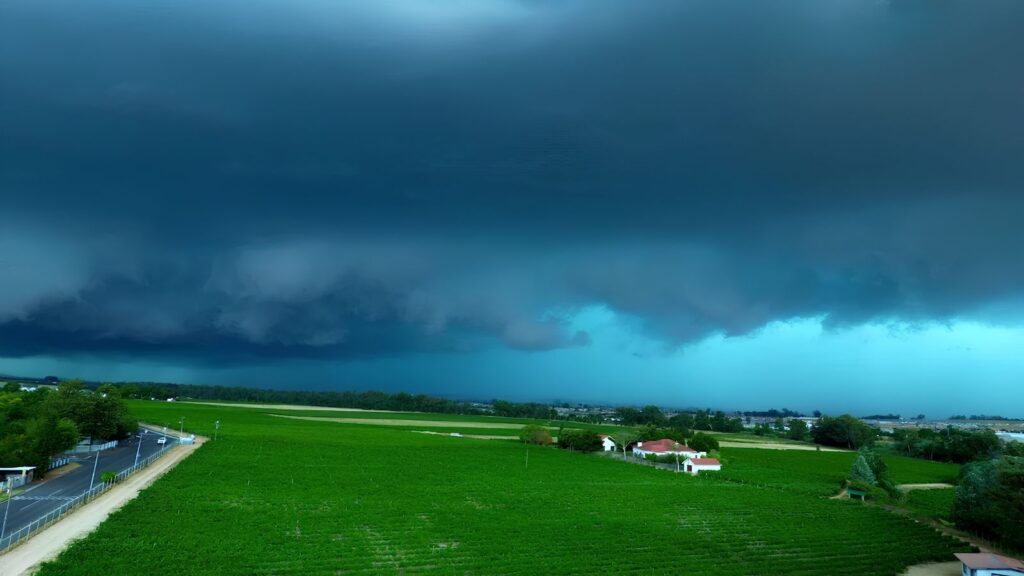
South Africa’s agricultural sector remains resilient for now, but experts have warned that farmers are heading into a far more difficult period as multiple risks begin to converge.
South Africa currently has around 100,000 farmers who produce agricultural goods for commercial purposes.
The sector as a whole employs over 930,000 people, making it one of the biggest employment sectors in the country. The sector also has direct implications for livelihoods, fiscal health, and social stability.
In an interview with Classic Business, Coface Chief Africa Economist Aroni Chaudhuri said the sector has proven itself to be pretty solid.
He noted that harvest forecasts for the current season remain positive due to good rainfall towards the end of last year, and added that the situation is not concerning for the first half of the year.
However, he warned that the risks facing the sector are expected to increase dramatically from the second semester onwards.
Chaudhuri said the agricultural sector is entering a period where pressures will not come from one catastrophic event, but rather from several shocks arriving in sequence.
“These price pressures for farmers and even in the most extreme cases, if there is an escalation of the conflict, issues in supply of fertilisers, will be combined with this hotter, drier season that will be coming in,” he said.
“And so that’s when the pressures will materialise. It’s that confluence of shocks that our farmers need to be bracing and steeling themselves for.”
He explained that higher oil prices would have a delayed but significant effect on agriculture because farming machinery and transport remain heavily dependent on fuel.
“The way that this oil price shock transmits to the agricultural sector is actually with a certain lag,” he said.
While sectors such as transport and energy are hit immediately, agriculture feels the impact later through rising input costs, especially fuel and fertiliser.
A major weather event will put further pressure on farmers

He added that the effects of higher oil prices and fertiliser costs could last well into next year, depending on how global conflicts develop.
Chaudhuri said the biggest concern is that these cost pressures may coincide with the likely return of El Niño later this year.
“If my memory serves me right, it’s over 80% probable that El Niño returns. And the probability of a super El Niño is around 50%,” he said.
He explained that a super El Niño could last up to two years and bring far more severe impacts, including acute rainfall deficits, heatwaves, water shortages, and disruptions to electricity supply and logistics networks.
“Obviously, in the case of a stronger occurrence of El Niño, you would have a much more acute rainfall deficit,” he said.
Chaudhuri warned that the combination of climate shocks and higher input costs could put severe pressure on farmers’ margins and, eventually, on food prices.
“You have less amount of produce to sell, and you also have higher input price pressures, in which case you’re going to have a stronger shock on farmers’ cash flow and by repercussion also on food prices,” he said.
He stressed that the risks are unlikely to hit all at once, but rather in stages. “That’s also why it is very important to be conscious of these risks, specifically because not all of them will happen at the same time,” he said.
Chaudhuri said smaller farmers are particularly vulnerable because they lack the financial buffers and pricing power of larger commercial operations.
He added that some agricultural segments are more exposed than others. While staple crops such as cereals may remain relatively resilient because demand is stable, higher-value products like fruit are more vulnerable as consumers reduce spending when prices rise.
Chaudhuri said the livestock sector faces the greatest risk because it was already under severe pressure before the latest threats emerged.
“The state of the livestock industry in South Africa was already bad before the onset of this crisis,” he said.
He noted that livestock farmers are already grappling with disease outbreaks and logistics problems, while higher feed prices could deepen the crisis even further.
Looking ahead, Chaudhuri said farmers cannot fully protect themselves against increasingly unpredictable climate patterns, but they can prepare by staying informed and managing cash flow carefully.
















 Loading ...