

Two countries hunting for skilled South Africans – offering R97,000 a month and 3 months rent-free



Companies from Belgium and Germany are increasingly targeting skilled South Africans, offering very attractive remuneration packages.
This is according to Beaver Recruitment SA, which noted a surge in demand from recruiters in these countries looking for talent in South Africa.
The agency said that both countries are facing some of the most severe labour shortages in Europe, and they are turning to South African professionals.
In Belgium, the job vacancy rate has reached 4.1%, one of the highest in the European Union, with over 163,000 open positions reported.
Nearly three-quarters of Belgian employers have reported struggling to fill vacancies, and one in five companies face major recruitment challenges.
Germany is in a similar position. The country currently has more than a million unfilled jobs and a vacancy rate of 2.7%.
Experts estimate that Germany needs to attract at least 400,000 skilled workers annually just to maintain economic stability.
These shortages are being fuelled by several factors. These include an ageing population, rapid economic growth, and a widening skills mismatch between supply and demand.
As a result, both Germany and Belgium have begun looking beyond Europe’s borders, streamlining visa requirements and making it easier for foreign professionals to live and work there.
Nicholas Avramis, Managing Director of Beaver Recruitment, told BusinessTech that companies in these countries are offering major benefits to attract South African professionals.
Avramis noted that the workers going over to Belgium and Germany typically are offered the following from big employers:
- Salary (per month): €3,500 (R67,950) to €5,000 (R97,100)
- Signing bonus: €1,500 (R29,100)
- Airfare: covered
- Housing: three months rent covered, with some offering €375 (R7,280) a month housing allowance for up to three years.
- Food: Lunch allowance
- Family: after a year, the family will be relocated with employment found for the spouse.
- Visa: costs covered by the company.
The most in-demand roles in these two countries include IT specialists, engineers, skilled tradespeople such as electricians and HVAC technicians, plant managers, and aircraft mechanics.
“These are core roles that keep factories, plants, and infrastructure running. Without them, production slows—so the urgency to hire is extremely high,” said Avramis.
He added that one major Belgian industrial company has already visited South Africa twice in 2025 and has two more recruitment trips planned for July and November. The company alone is expected to hire around 40 South African workers this year.
“This is no longer exploratory recruitment—this is structured, ongoing hiring. Europe is building long-term pipelines from South Africa,” said Avramis.
As of the end of 2025, Avramis added that Germany is home to more than 20,000 South Africans, and Belgium has over 4,000.
Broader trend of international demand for South Africans
Paul Byrne, Head of Insights at Pnet, agreed with Avramis and noted that international companies are increasingly targeting skilled South Africans.
In an interview on The Money Show, Byrne said analysis of Pnet’s data over the past five years shows a notable increase in overseas companies advertising jobs specifically to South Africans.
He noted that international job advertisements on the platform increased from 1.6% of Pnet’s total South African job base in 2021 to 2.2% in 2025.
“Now that might not sound like a massive increase, but if you look at the real volume, that translates to about 38% increase in the volume of job ads that have been advertised to target our South African talent,” he said.
According to Byrne, foreign employers are drawn to South Africans for several reasons, including cost competitiveness, strong technical skills, and the ability to work across diverse environments.
At the same time, Byrne stressed that South Africa continues to produce highly skilled professionals in critical sectors.
“We know that we’ve got a skilled workforce. We develop highly skilled talent in fields such as engineering, IT, and finance. And that’s deeply sought after overseas at the moment,” he said.
Apart from technical expertise, Byrne said international companies also value the adaptability and experience South Africans bring to multinational workplaces.
“We’ve got deep experience here in South Africa, have been used to working across quite diverse industries and multilingual cross-cultural environments,” he said.
“There’s no doubt that the big corporations looking for our type of talent see that as a major benefit to recruiting our staff.”
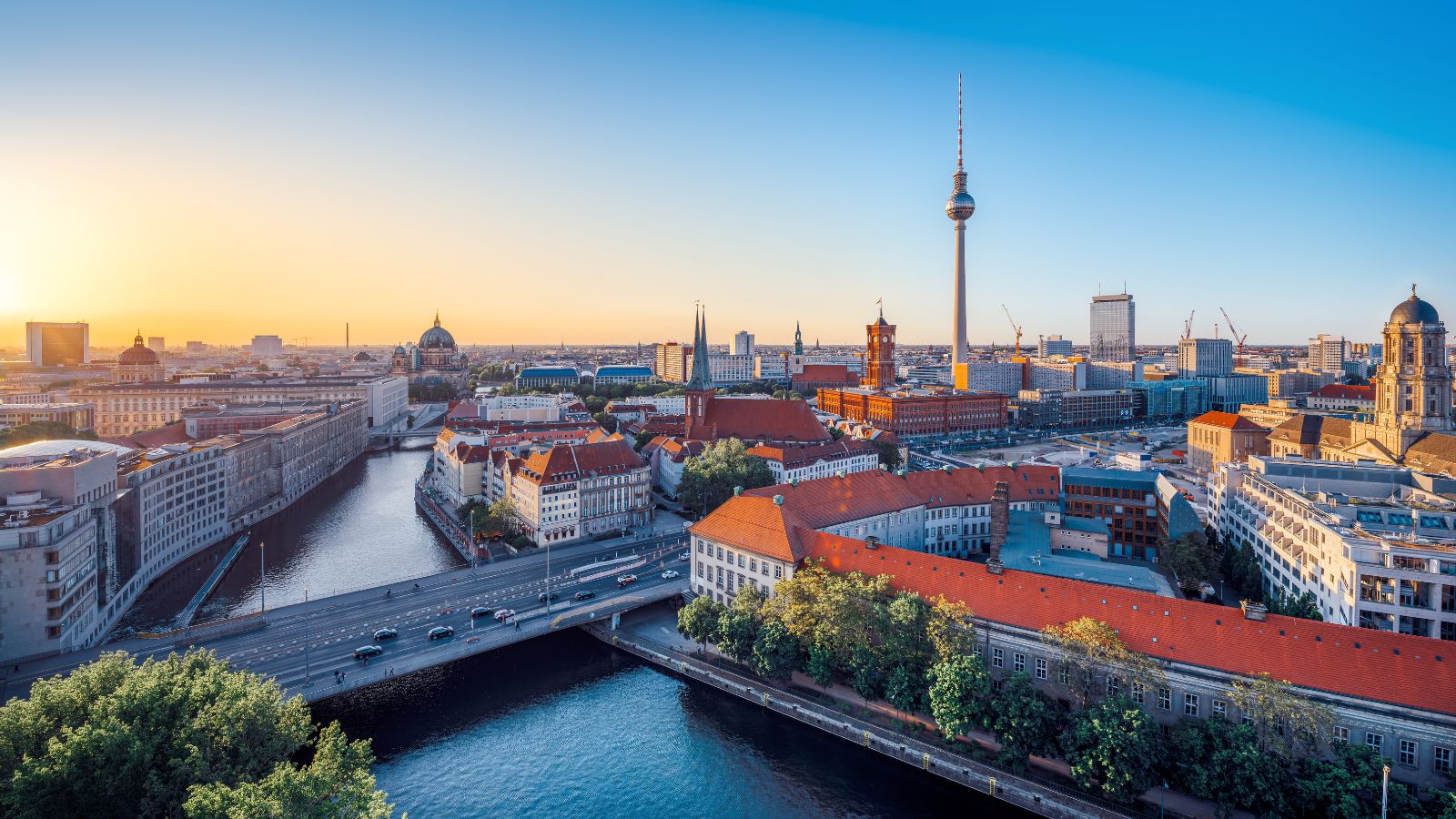
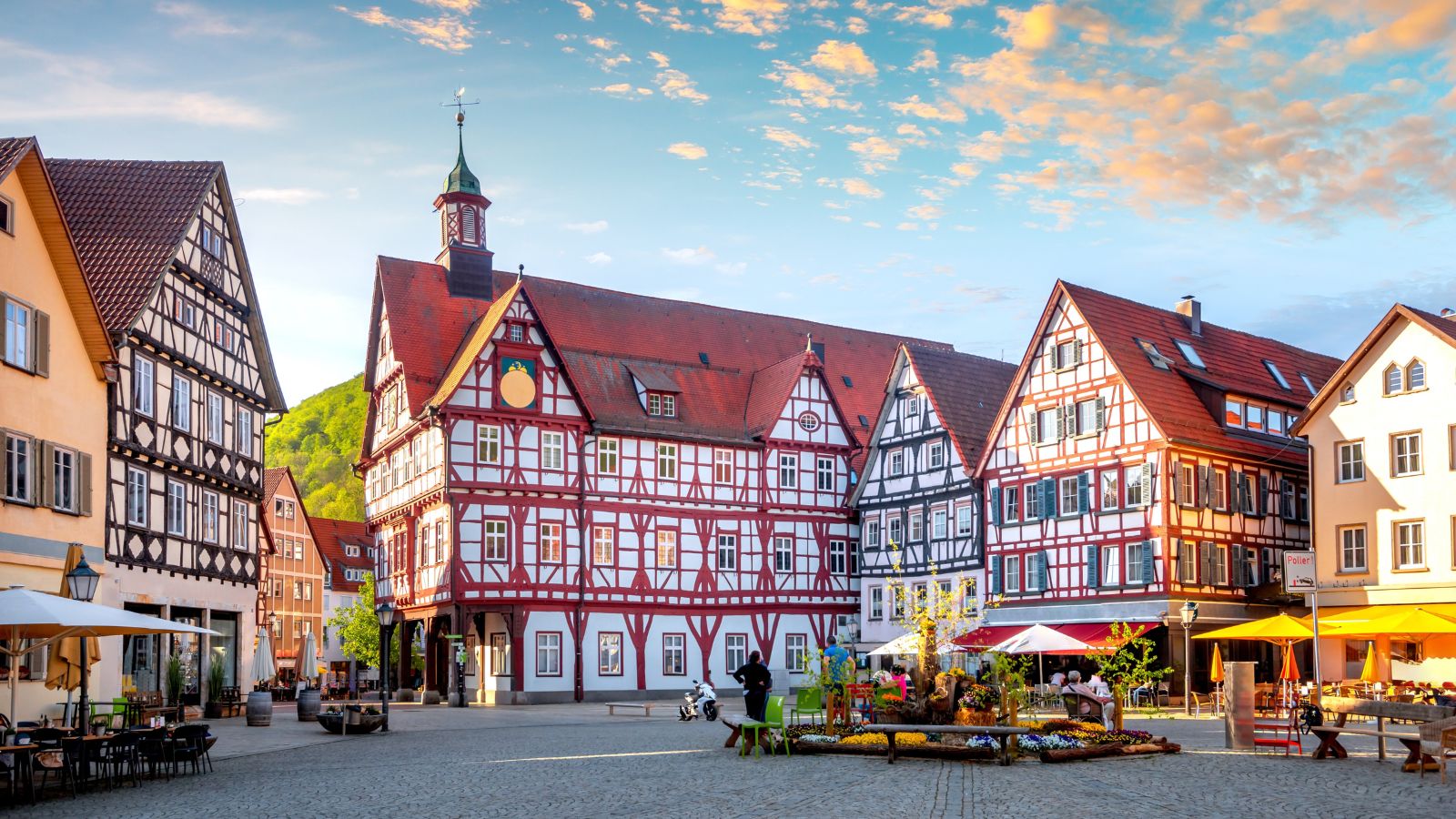
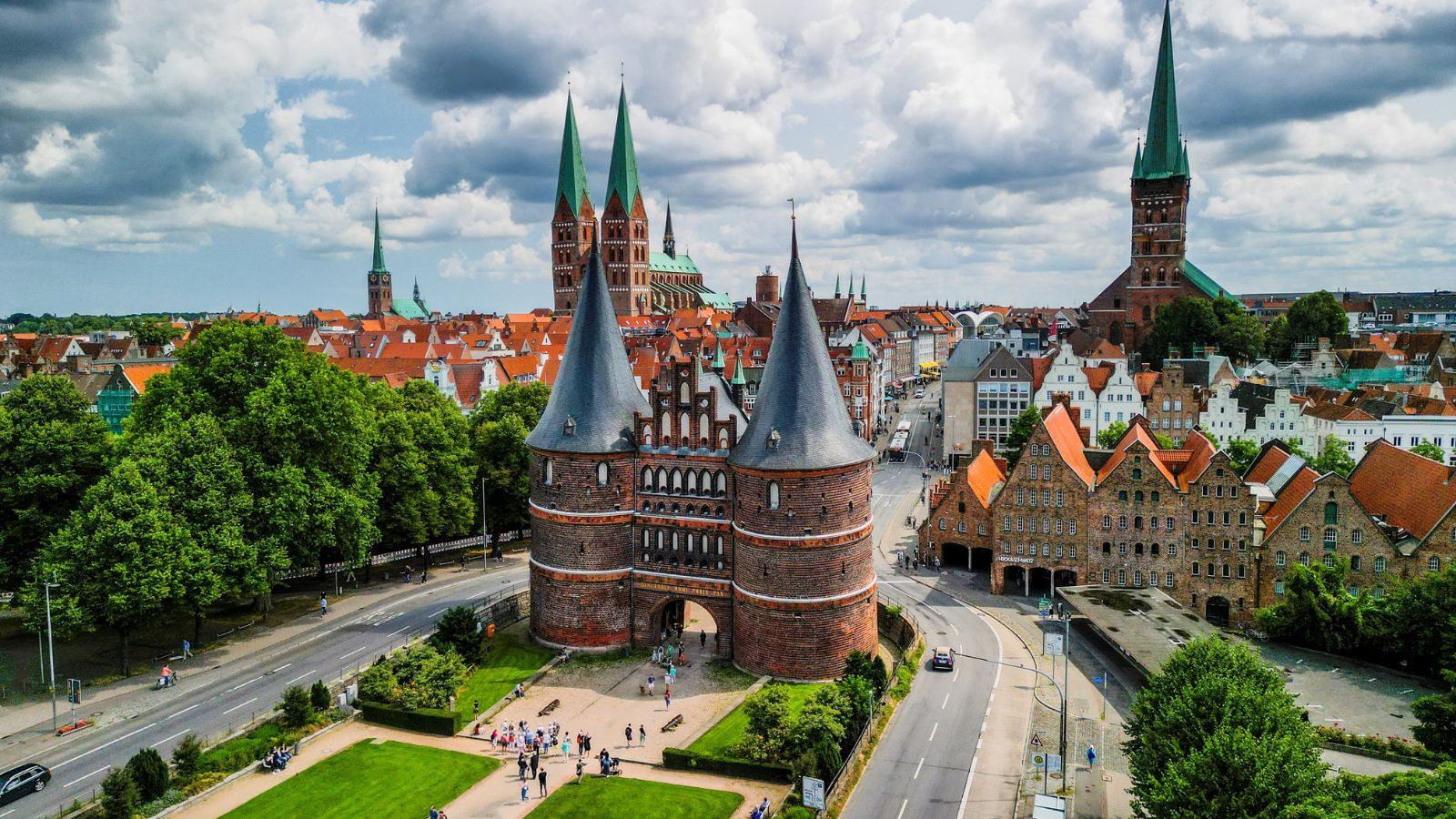
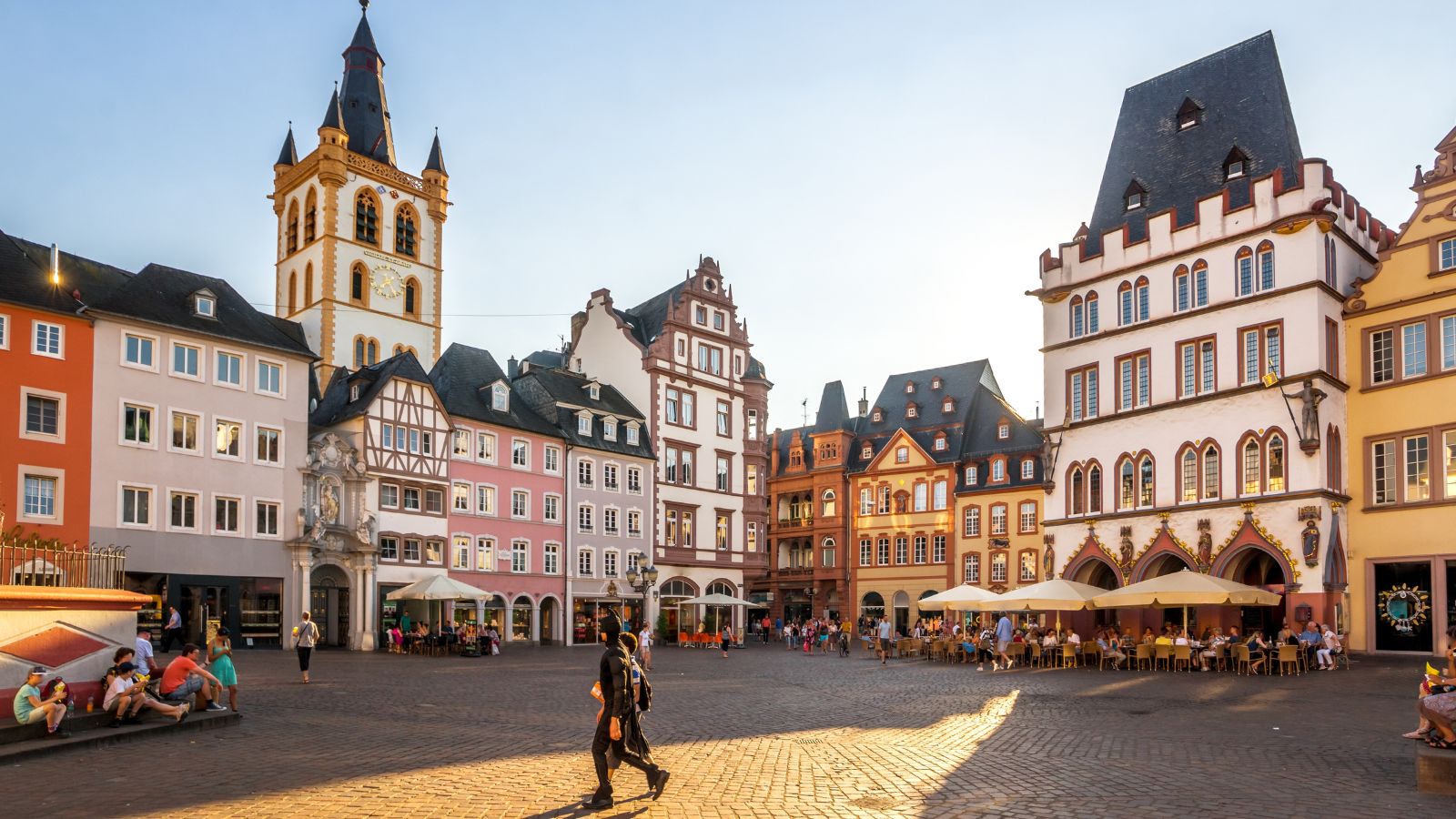
Photos of parts of Germany


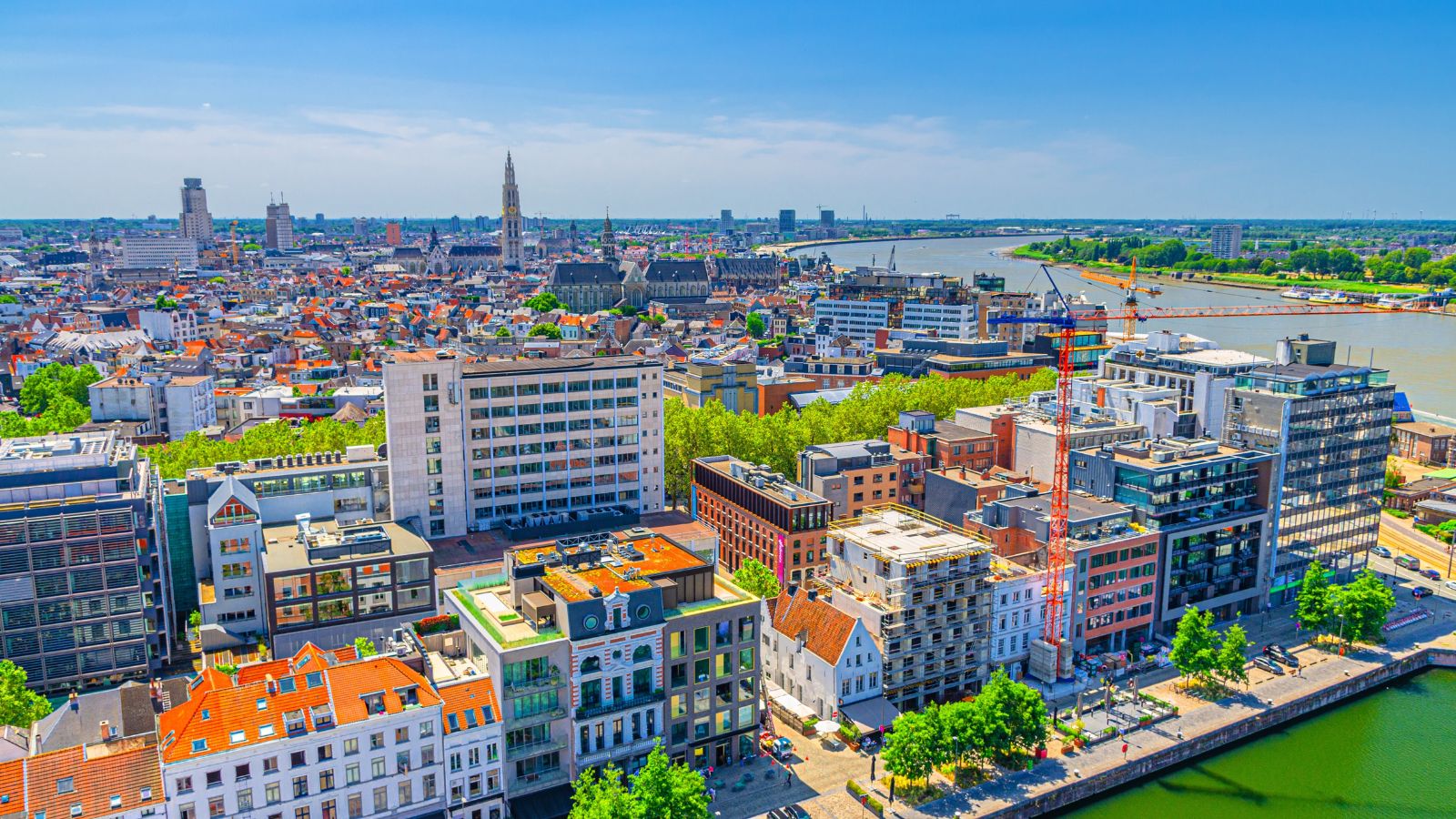
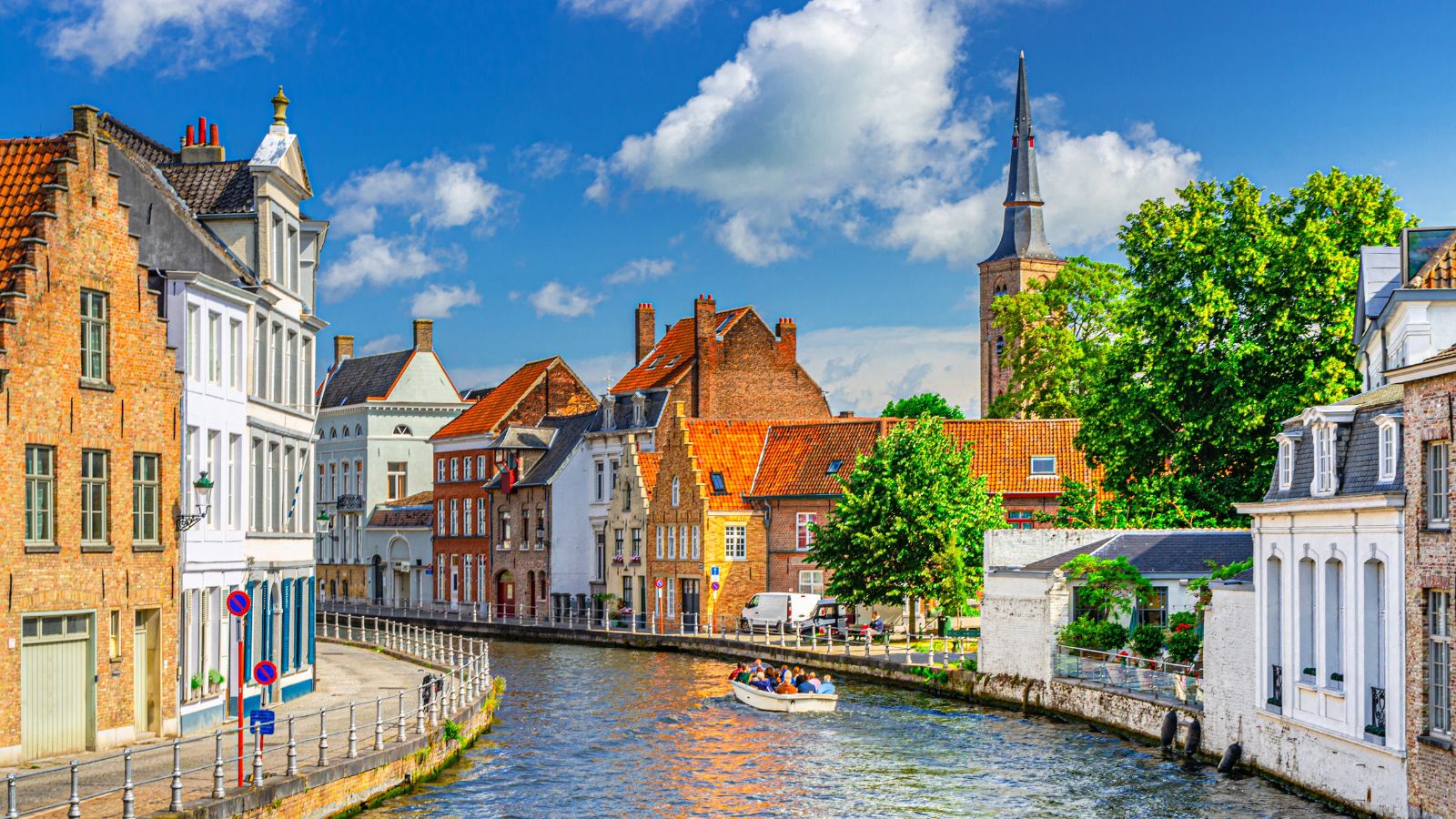
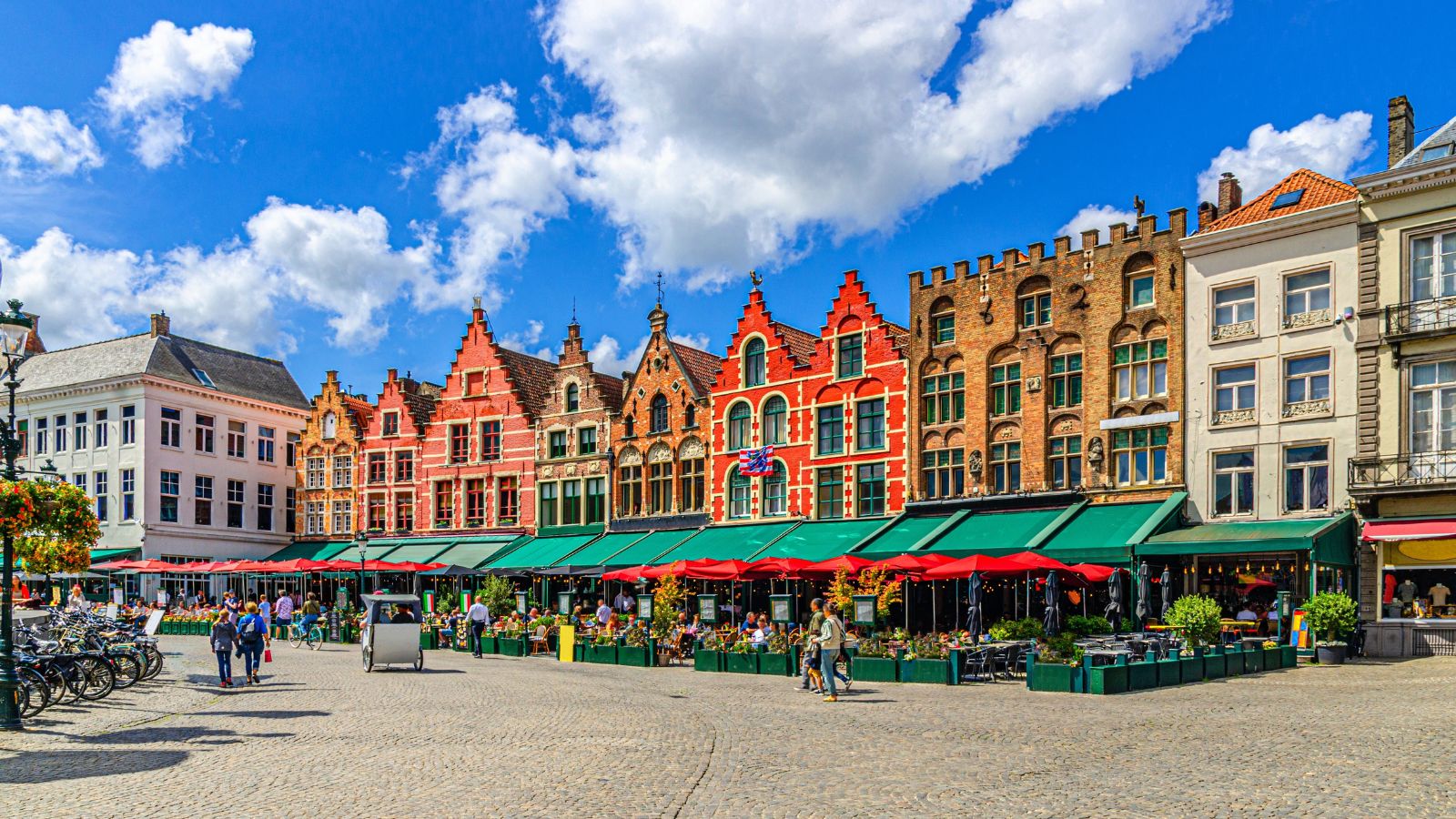
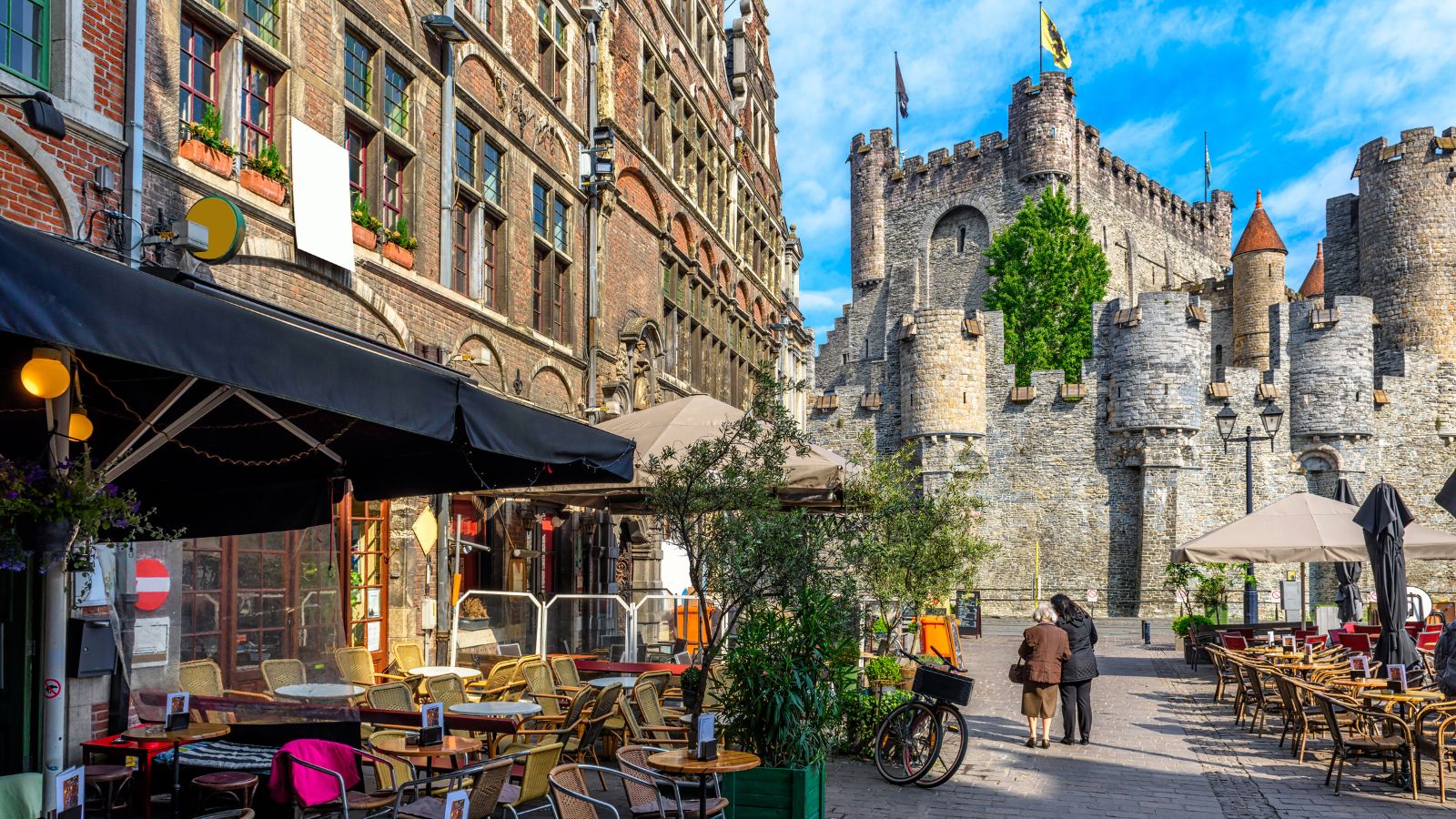
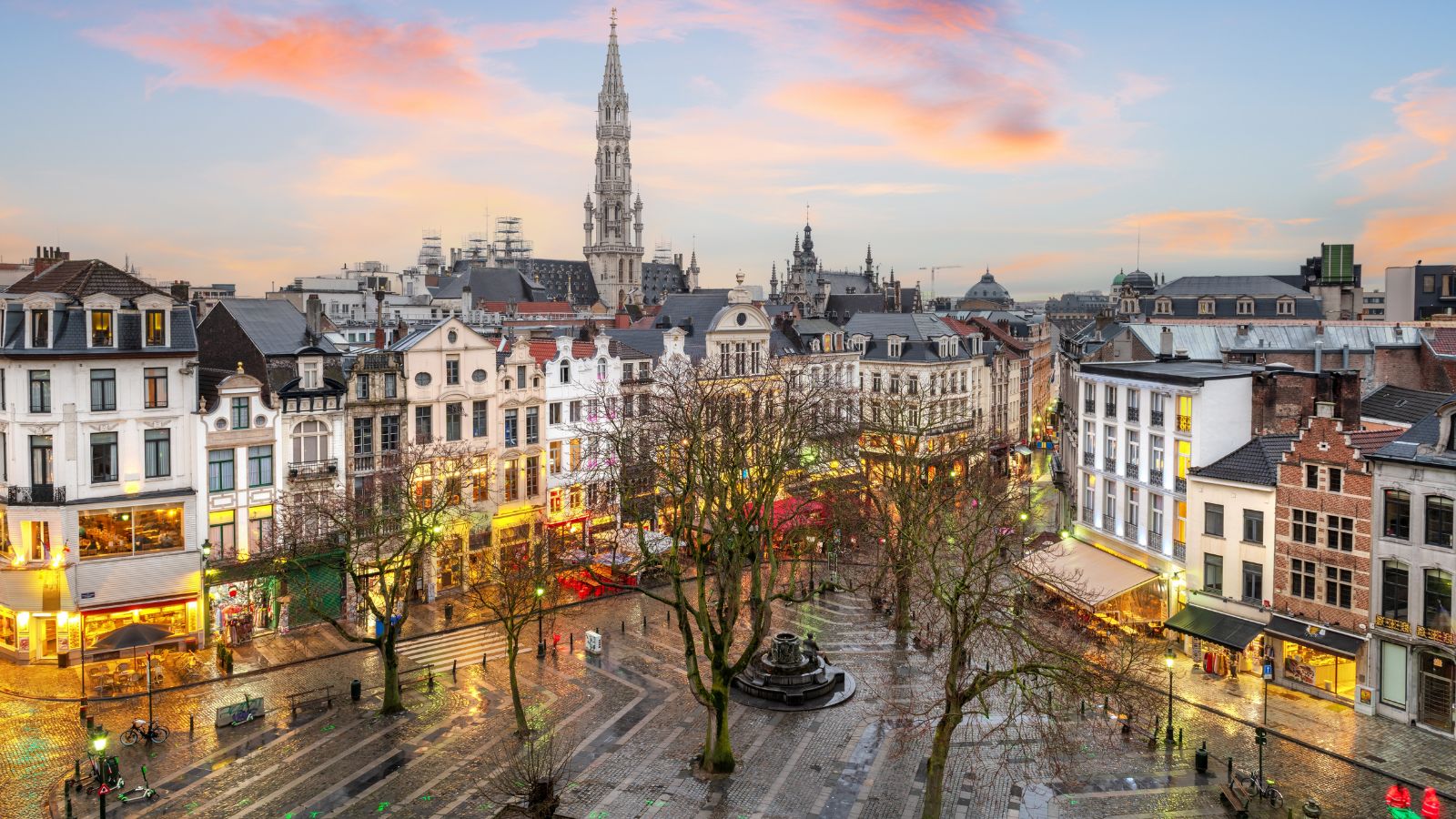
Photos of parts of Belgium




















 Loading ...