

133-year-old family sheep farm in South Africa now one of the world’s top wine brands


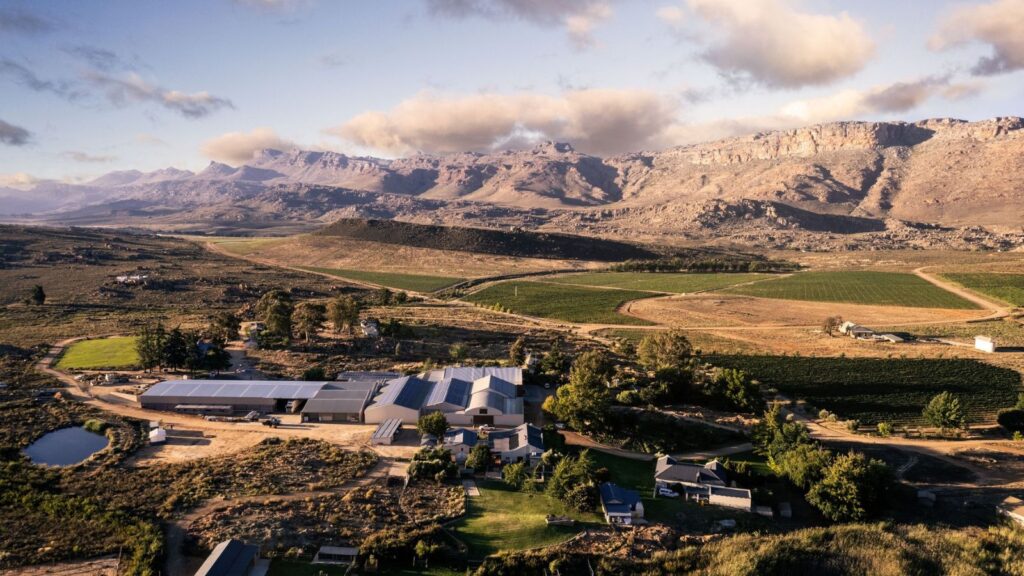
For well over 100 years, the Nieuwoudt family has farmed one of the most remote parts of South Africa, turning it into an internationally acclaimed wine brand, Cederberg Wines.
What began as a sheep and tobacco farm in the Cederberg mountains has become one of the country’s top wine estates, with bottles now exported to several countries around the world.
The Nieuwoudt family first arrived in South Africa in the early 1700s, before descendants moved into the Cederberg region in 1767.
In 1893, the present branch of the family settled on the farm Dwarsrivier, where six generations have now lived and worked.
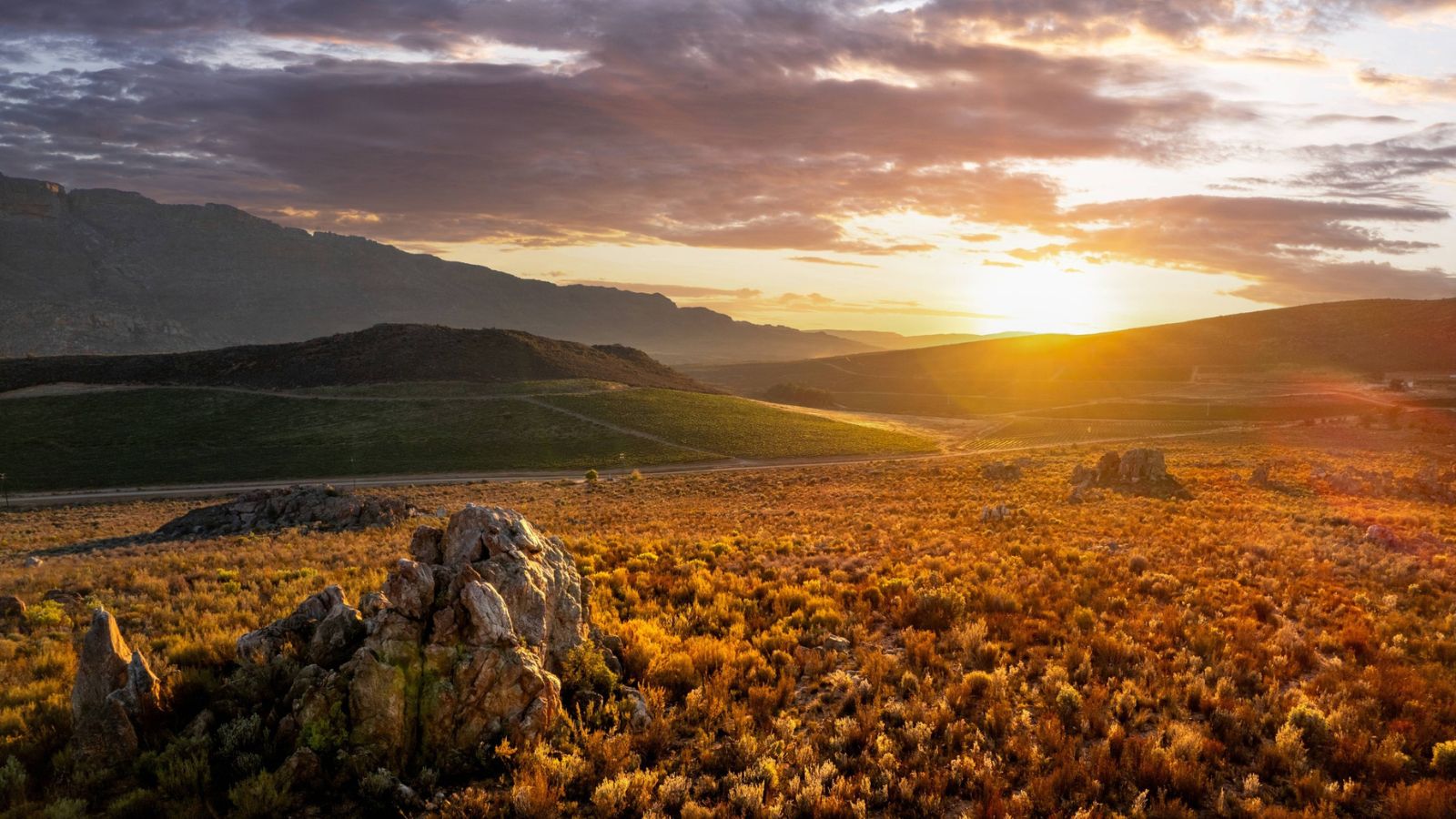
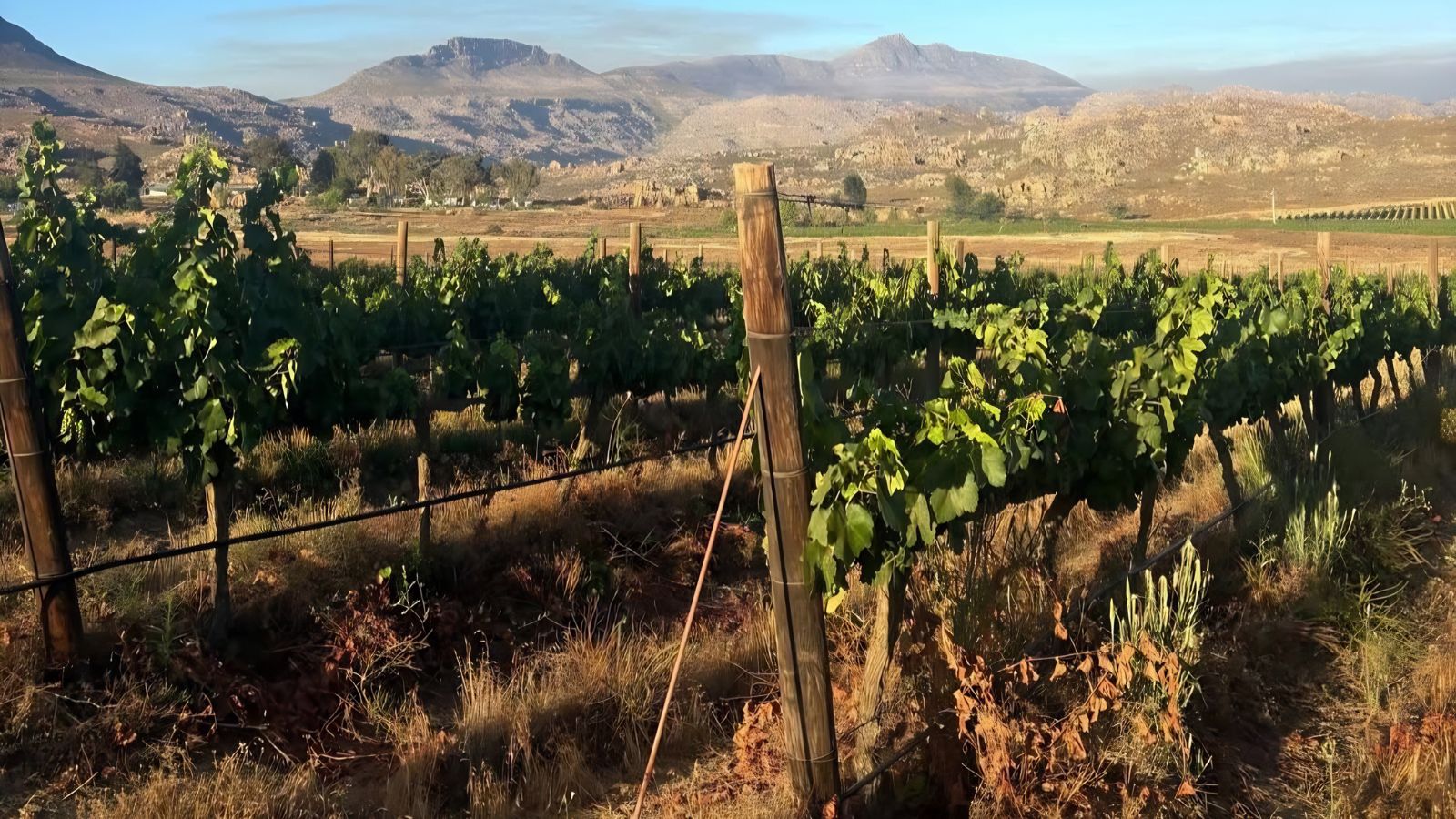
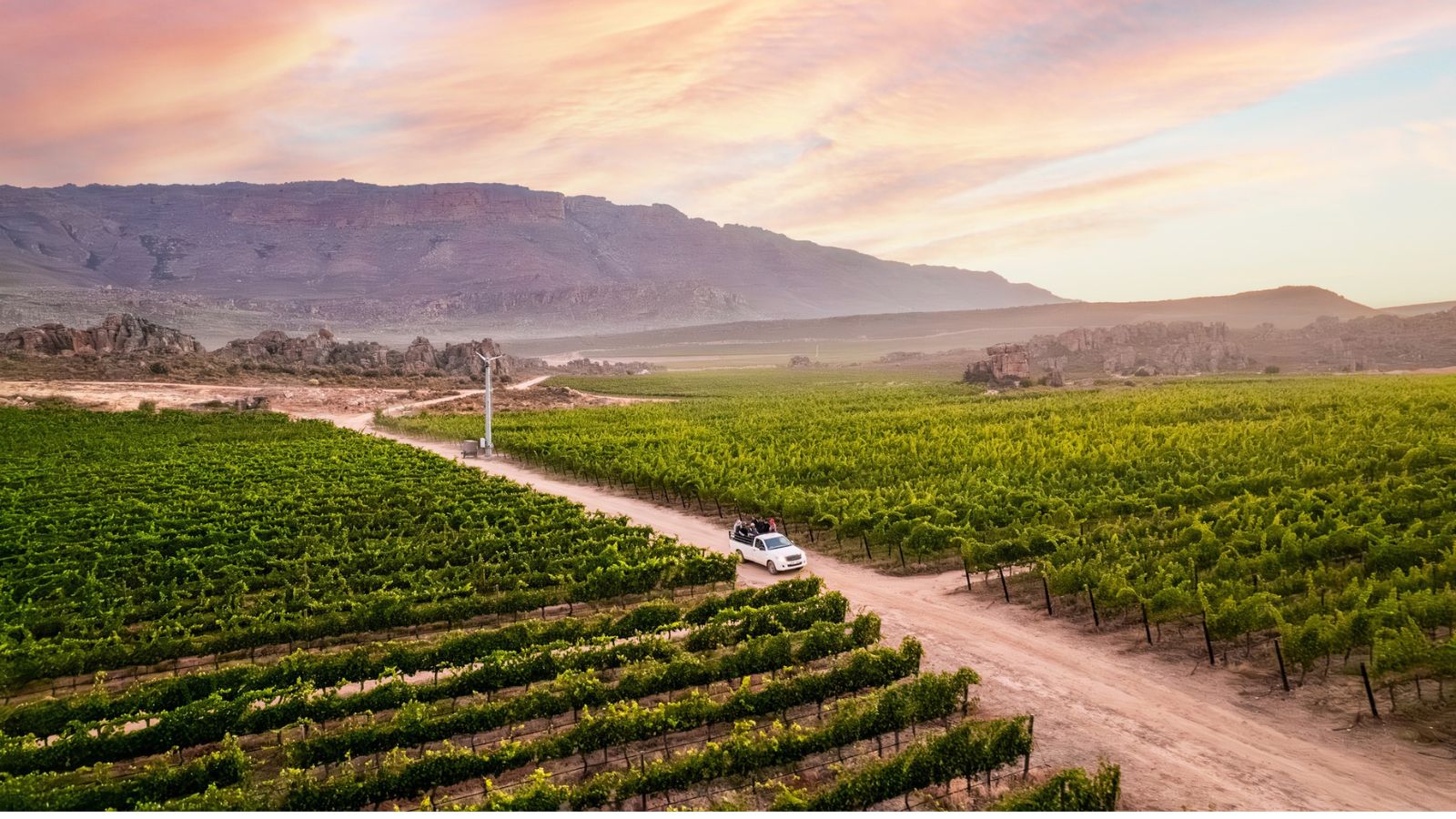
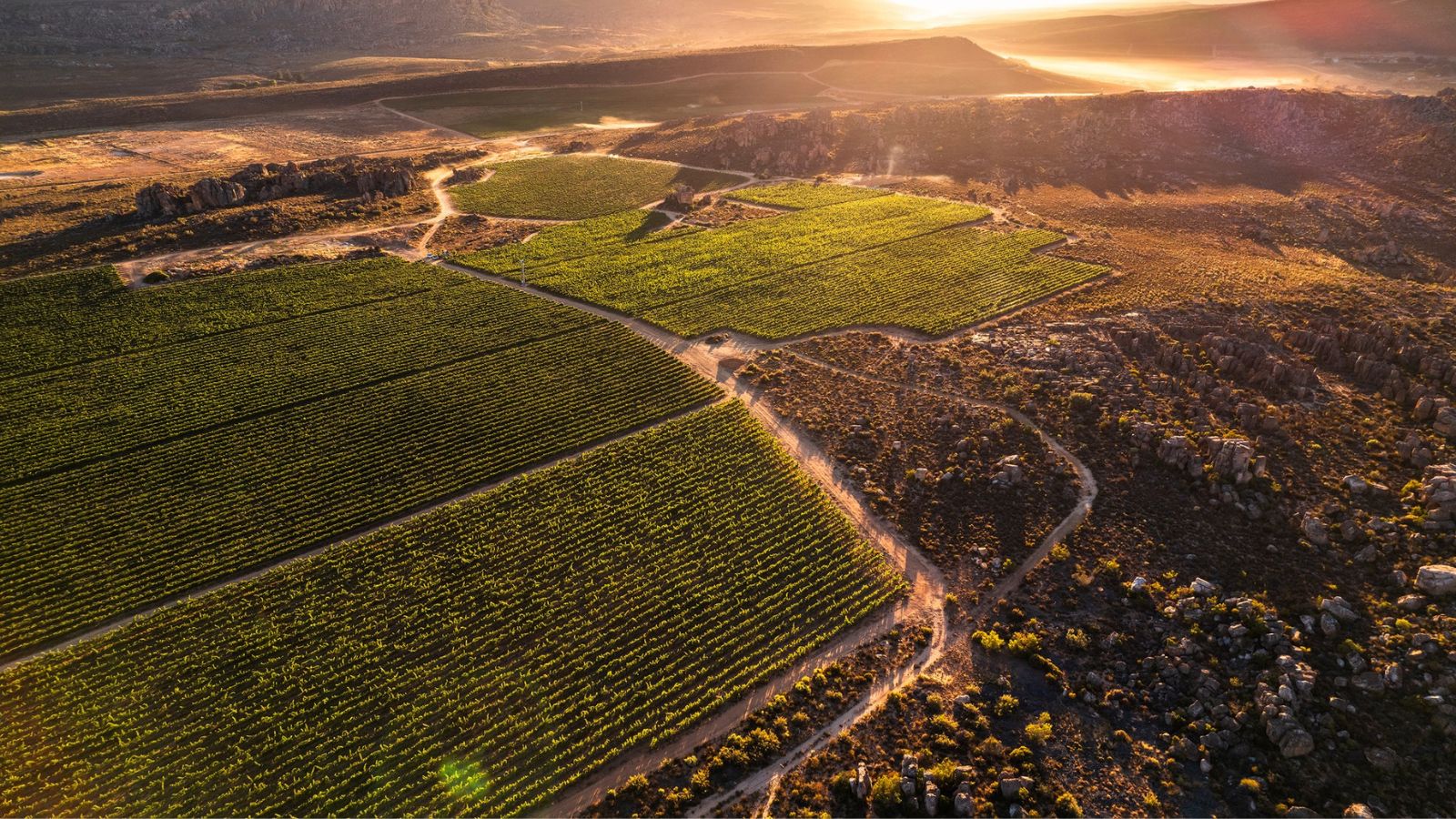
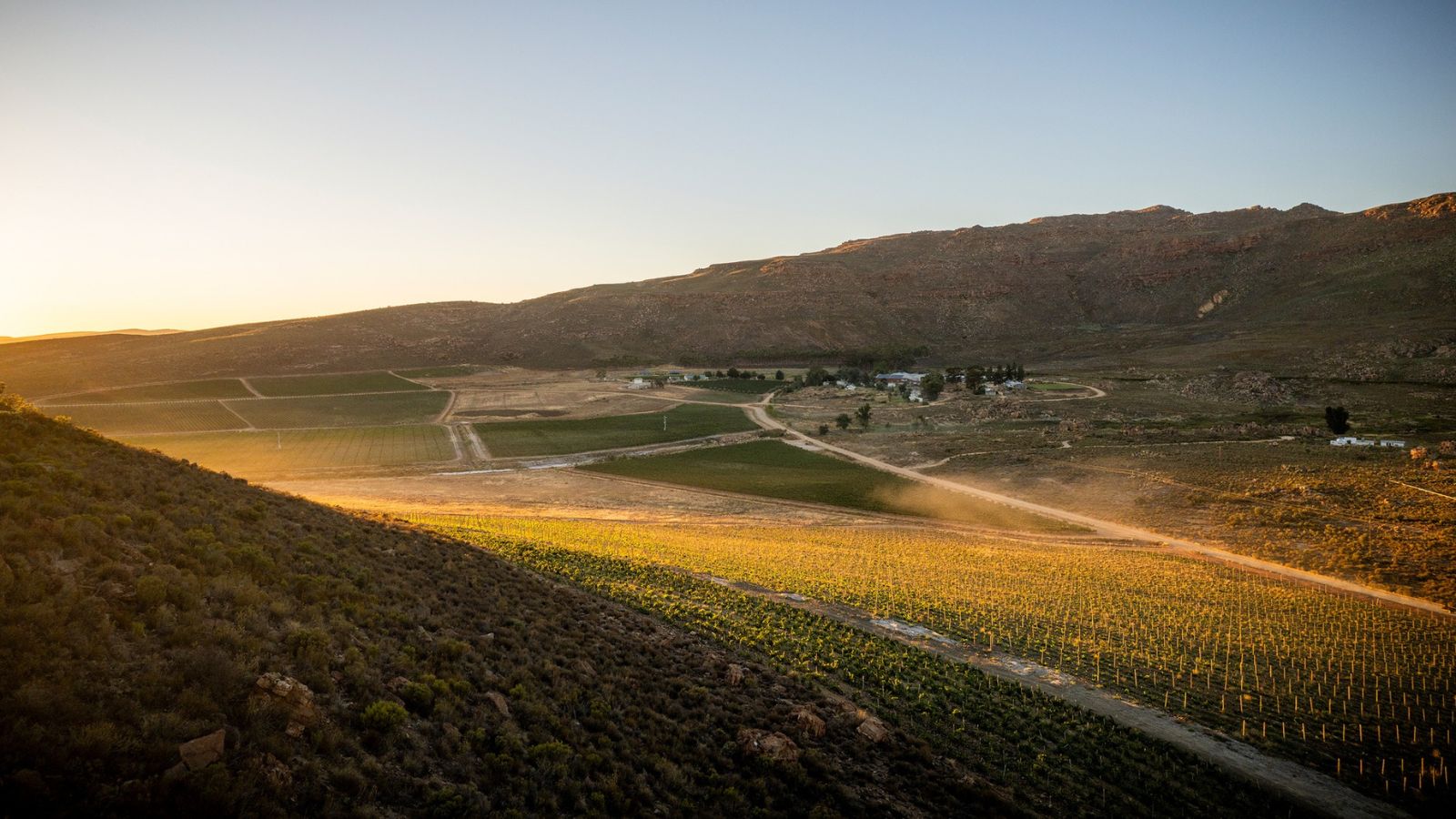
The 5,500-hectare farm lies within the Cederberg Wilderness Area. However, only 74 hectares are planted with vines.
According to owner and winemaker David Nieuwoudt, the farm’s isolation initially made the idea of wine farming seem absurd.
“So the first Nieuwoudts actually came up in the Cederberg mountains in 1767. My grandfather farmed with tobacco and sheep for about 70 years,” he said in an interview.
The family later diversified into fruit farming during the 1950s after recognising that the area’s altitude and cold winters suited apples and pears.
Sitting around 1,100 metres above sea level, the farm experiences large swings between daytime and night-time temperatures, something Nieuwoudt believes became crucial to the quality of the wines later produced there.
The move into wine came almost by accident. One version of the story says a friend working for the farm suggested the family plant table grapes after seeing how well fruit performed in the region.
The first table grape vines were planted in 1965, followed by wine grapes in 1973. The experiment proved successful enough for the family to continue.
“At that stage, everybody thought this man was absolutely crazy,” Nieuwoudt said of his grandfather’s decision to plant wine grapes in such a remote area. “But with amazing success.”
The beginning of a world-class wine farm
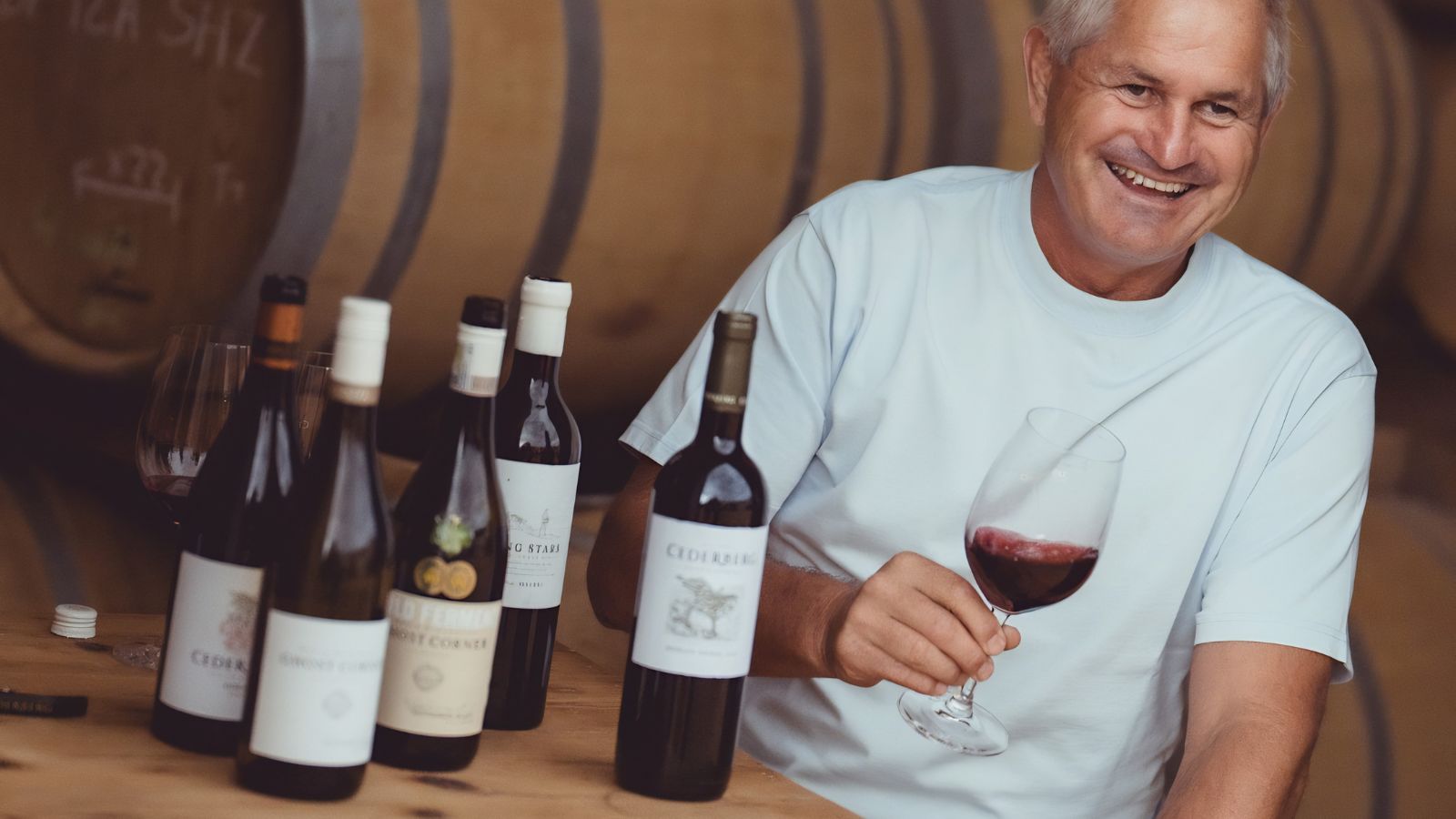
The first red wine vintage, produced in 1977, was small but impressed wine experts, who reportedly described it as being of “superior standards”.
For decades, wine remained just one part of the family’s broader farming operations, alongside fruit, vegetables, tobacco and livestock.
That changed during the 1990s after South Africa’s political transition and the lifting of sanctions opened global markets to local producers.
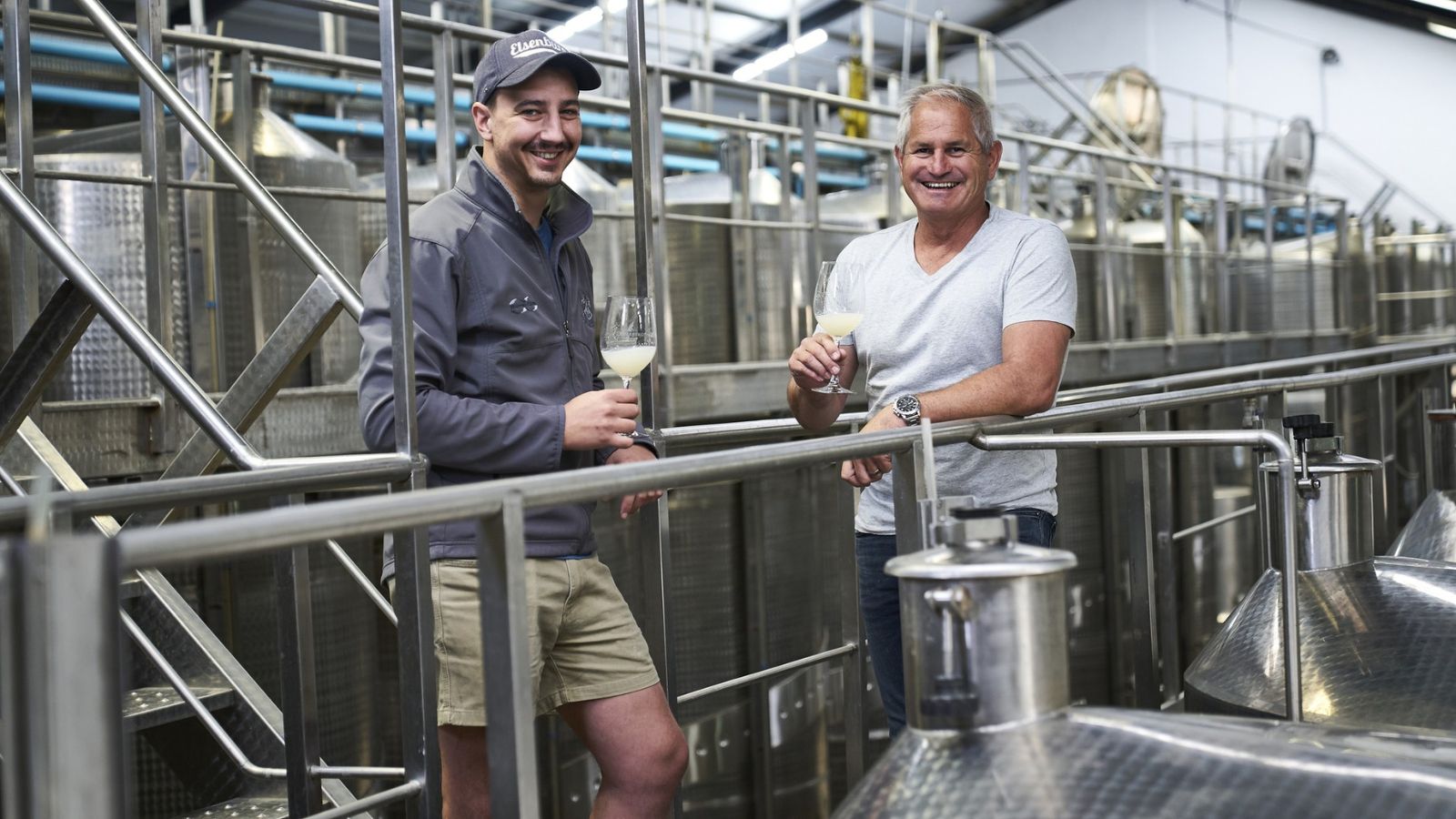
Nieuwoudt, who studied viticulture and oenology at Elsenburg Agricultural College, returned to the farm in 1996 after working at the Lievland Wine Estate.
He officially took over the winemaking operations from his uncle, Oom Flippie Nieuwoudt, in 1997. “We decided basically to change everything 100% from fruit to vineyards,” he said.
Within three years, a Cederberg Chardonnay earned a 4.5-star rating in the 1999 edition of Platter’s South African Wine Guide, helping establish the estate’s reputation.
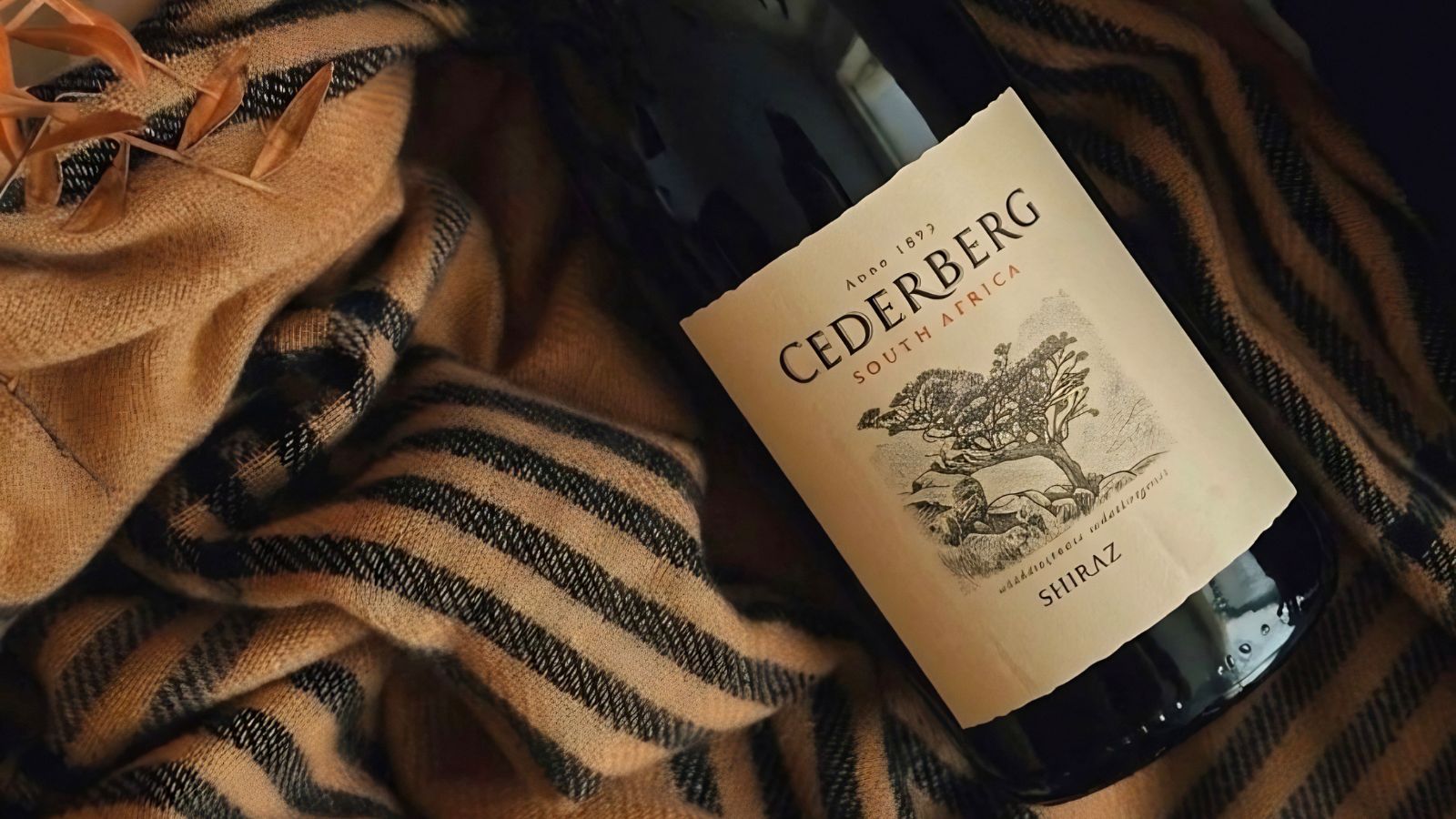
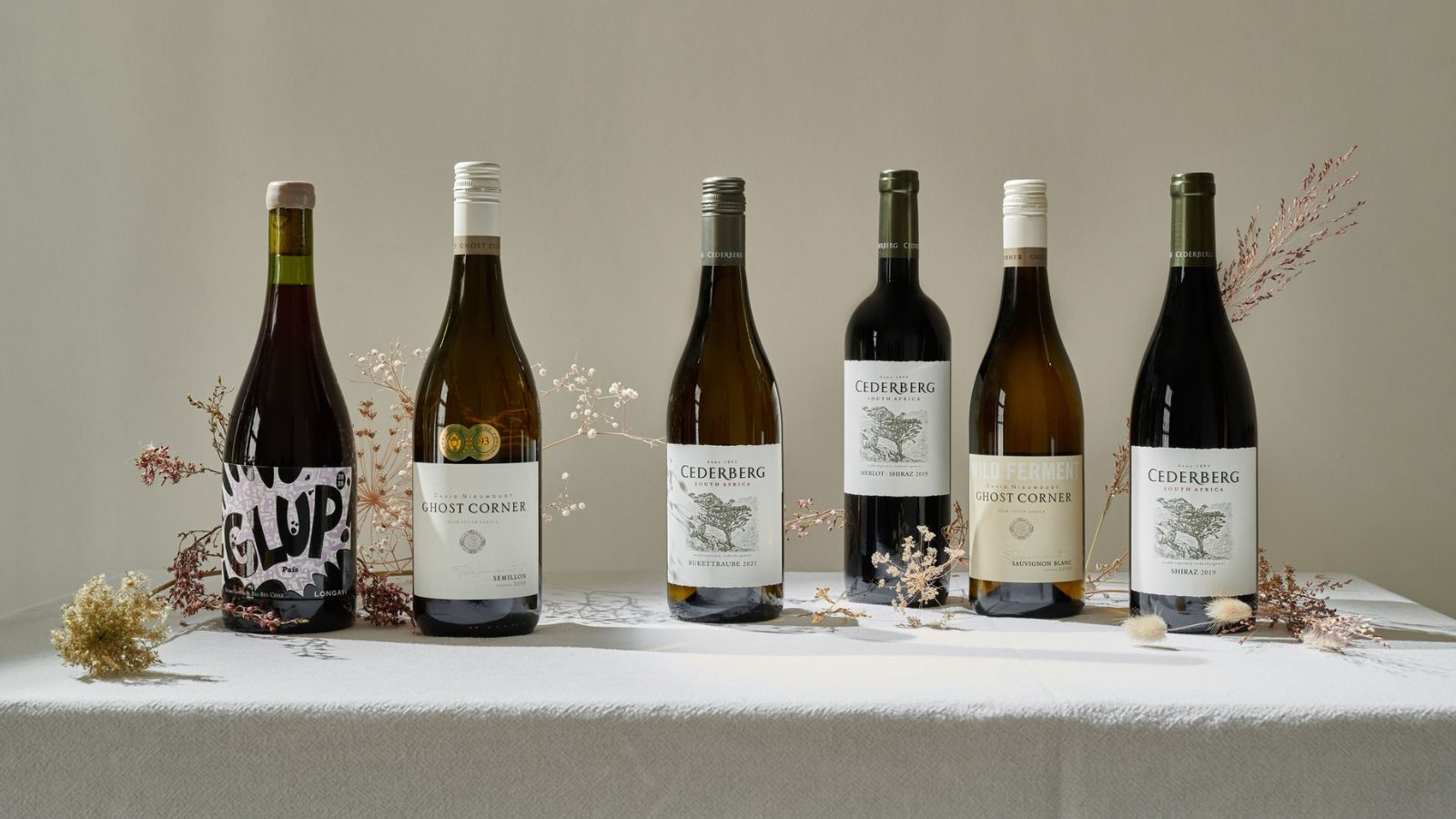
Since then, the winery has collected numerous accolades, including gold for its Shiraz at the 2021 Syrah du Monde competition, which recognises some of the world’s best Syrah wines.
Nieuwoudt believes the farm’s unusual environment gives it a major advantage. The vineyards are surrounded by wilderness and protected from many diseases that commonly affect vineyards elsewhere.
He added that the region’s cool nights and long ripening season allow grapes to develop slowly and fully.
“We pick the latest in South Africa due to the elevation. The grapes are really physiologically ripe,” he said.
Among the estate’s flagship wines is the Five Generations range, which Nieuwoudt described as the winery’s most expensive offering.
The wines are produced from vineyards linked to the first blocks of Chenin Blanc and Cabernet Sauvignon planted by his grandfather in 1972, which cost over R900 for a bottle.
“Our most expensive wine is basically the Five Generations range. I’ve always produced two amazing single-vineyard wines from these vineyards,” he said.
He said the Cabernet Sauvignon in particular reflects the unique conditions of the Cederberg. “It’s such a true expression of Cederberg, of soil, with physiological ripeness, with richness and balance,” Nieuwoudt said.
Despite the estate’s international success, Nieuwoudt said the farm remains deeply rooted in family and community.
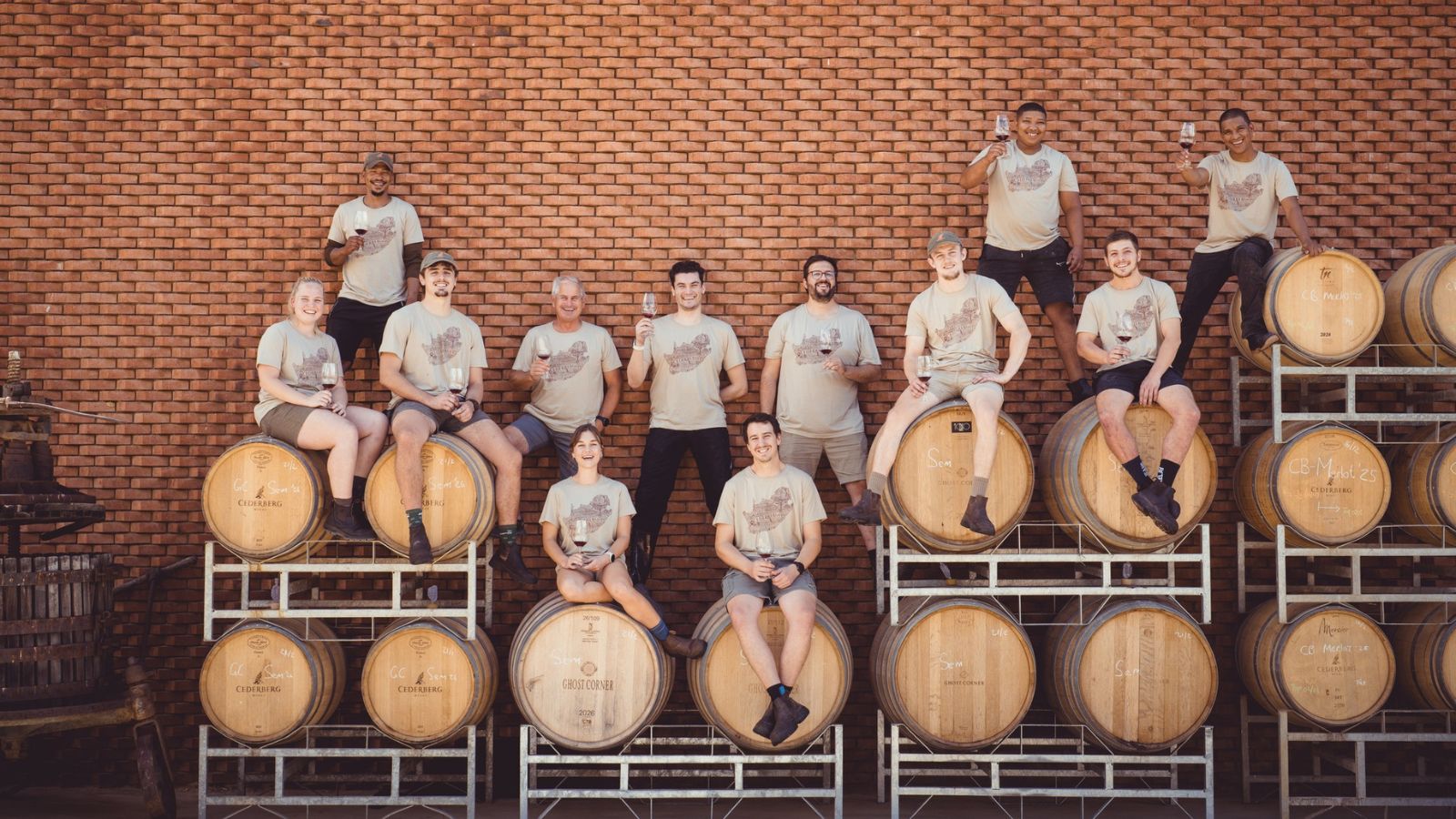
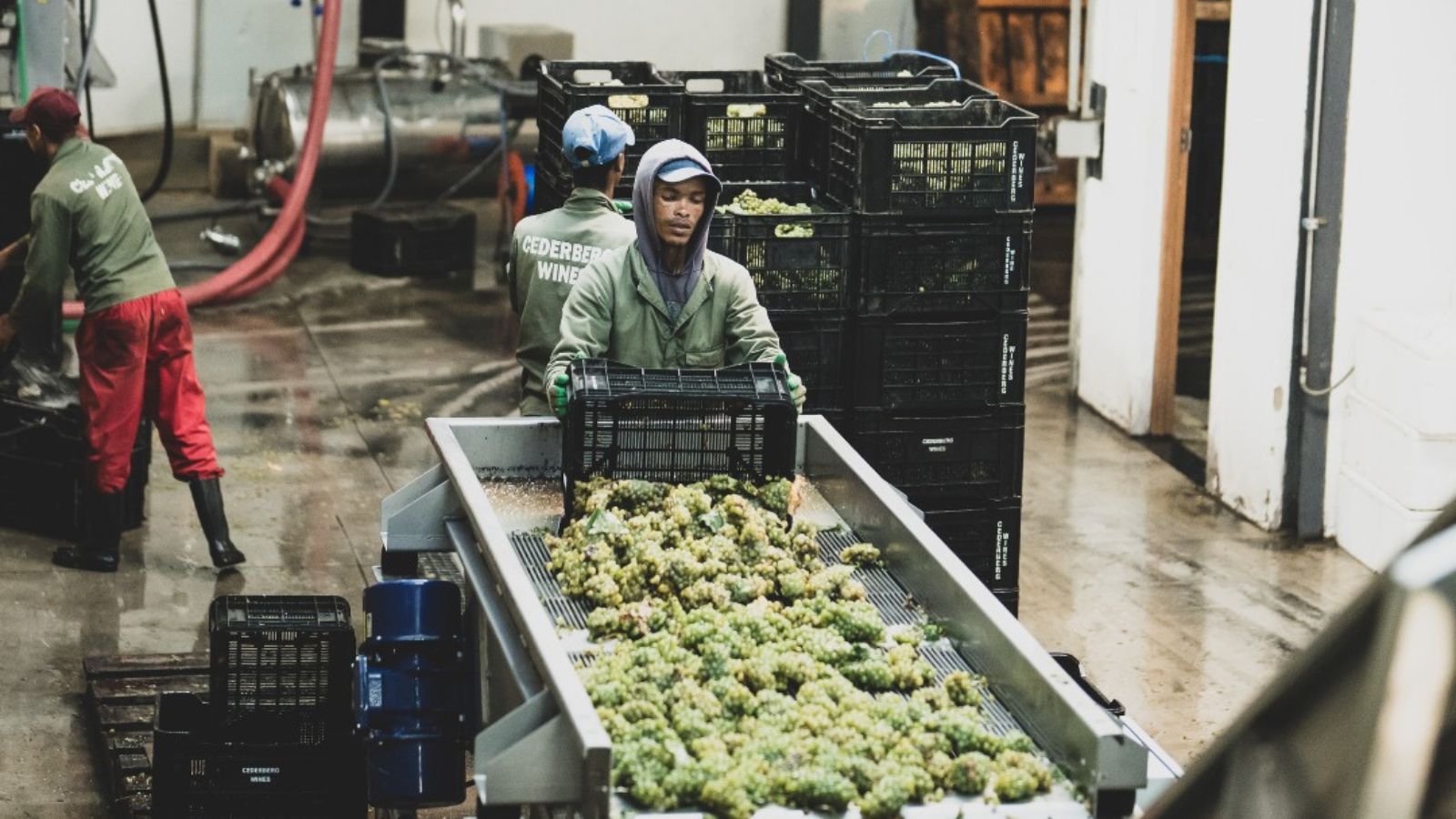
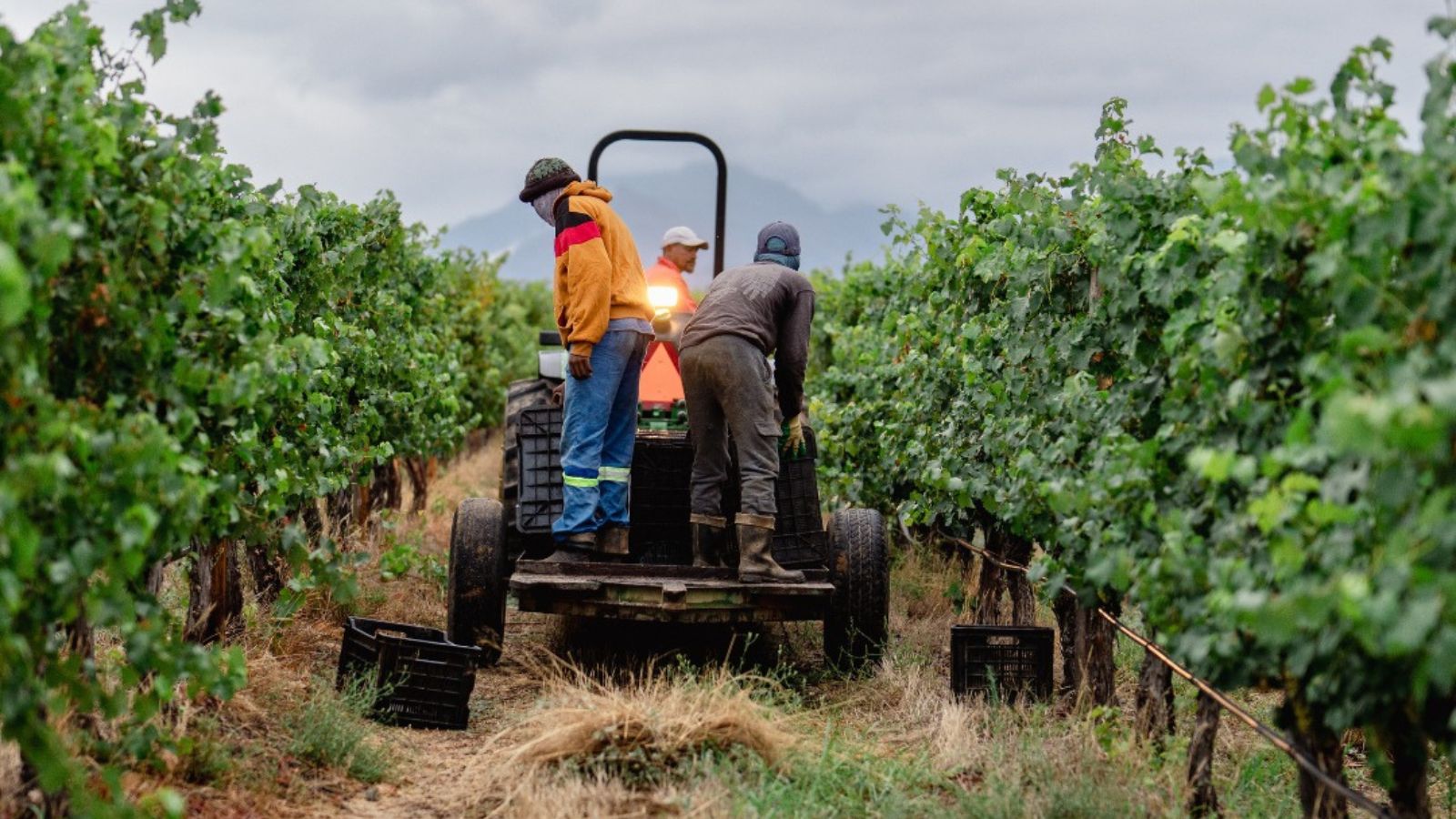
Around 25 permanent families live on the property, while several workers’ families have also been on the farm for generations.
“It’s family-run, and they’re like family as well. Some of them are there for four generations as well,” Nieuwoudt said.
Cederberg Wines – Photos


















 Loading ...