

Best news in five years for Eskom


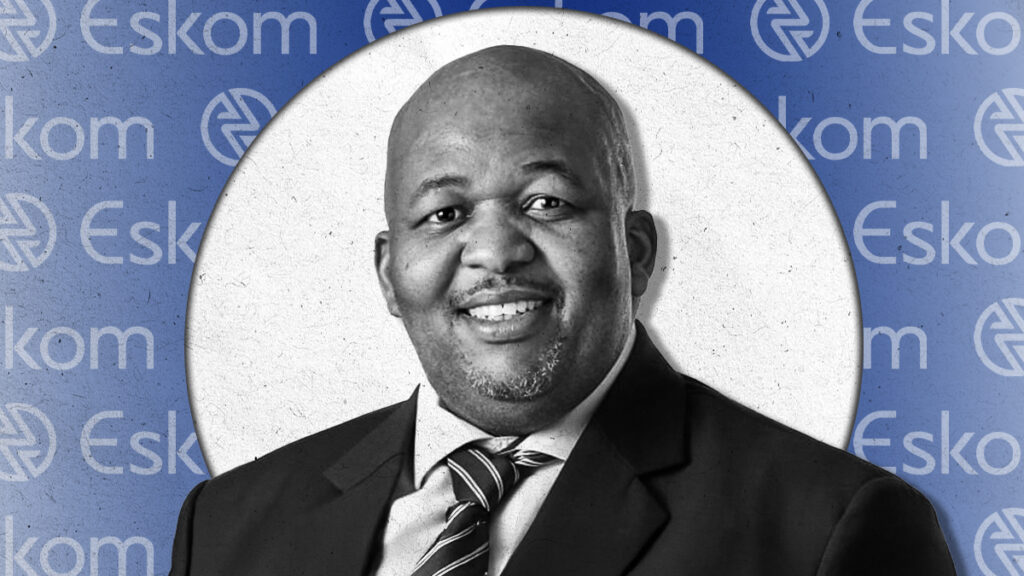
Eskom is starting 2026 with a stronger structural system than the state-owned utility had for the last five years.
Eskom stated that the results of its Generation Recovery Plan, which commenced in April 2023, have yielded an additional 4,400MW of capacity compared to this time last year.
This means that 2026 starts with a buffer of around four stages of load shedding.
Eskom stated that the improvement is not only due to structural enhancements in the generation fleet, but also to fewer emergency interventions and improved maintenance discipline.
Eskom said that since April 2023, the results of the delivery of the plan include:
- The Energy Availability Factor (EAF) rose from 56.03% to 64.55%. In the current
financial year, the fleet has achieved or exceeded the 70% benchmark on 55 occasions.
- Scheduled maintenance, also known as Planned Capacity Loss Factor (PCLF), reached
a high of 12.76% in Financial Year (FY) 2025, following an intensive period of maintenance.
- The Unplanned Capacity Loss Factor (UCLF) declined from 31.92% to 16.02%.
- The savings from diesel usage in FY2025 were around R16 billion and continue to
decrease in FY26, due to the reliability of the coal fleet increasing, enabling the safe
reduction in the use of the open-cycle gas turbines (OCGTs).
“The big picture through the peaks and troughs of delivering the Generation Recovery Plan is that Eskom has moved from a heavily constrained power system to an increasingly stable one,” said CEO Dan Marokane.
“A power system that can reliably deliver 24/7, 365 baseload power. We will now maintain and build upon these early gains through a rigorous focus on operational reliability and sustainability.”
Marokane said that the recovery plan has been a story of ‘short-term pain for long-term gain.”
A significant part of Eskom’s recovery was the passing of the Eskom Debt Relief Act in 2023, which provided R254 billion to reduce the financial pressure on Eskom’s balance sheet.
This allowed Eskom to make crucial investments and conduct planned and preventative maintenance, as well as improve operational efficiency and reliability, the results of which South Africa is experiencing today.
“A reliable power system is not just measured in megawatts (MW); it is measured in investor value and confidence,” said Marokane.
“The impact of Eskom’s improved performance has contributed towards South Africa receiving its first credit rating upgrade in two decades, and the risk rating associated with Eskom’s 2033 bonds has dropped, providing early indicators to investors warming to the turnaround.”

















 Loading ...