

Say goodbye to petrol stations as you know them in South Africa


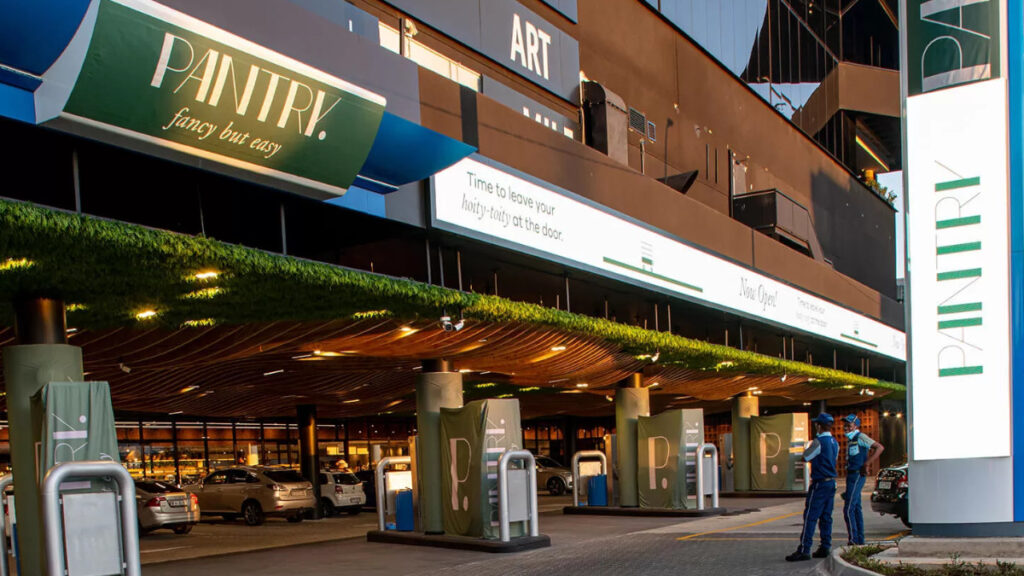
South Africa’s forecourt sector is undergoing a monumental shift, as consumers gradually shift away from internal combustion engines and see these locations as retail hubs.
According to the latest Forecourt Retail Report 2025/2026 by Nedbank, declining fuel demand, rising costs, and heightened competition are reshaping the forecourt industry.
Nedbank Economist Crystal Huntley said that South Africa’s economy is showing early signs of recovery.
Lower interest rates, improvements in electricity supply, rail performance and port efficiency support the economy.
Consumer spending is also improving, with GDP growth expected to accelerate in 2025, pointing to a slow but steady recovery.
That said, global risks remain large, especially geopolitical tensions following the US and Israel’s attacks on Iran, and the Persian nation’s response of shutting down the Strait of Hormuz.
The strait carries roughly 20% of the global oil supply and has pushed oil prices higher, reintroducing inflationary pressure.
“Domestic conditions are improving, and consumer activity is recovering, but global risks, particularly oil, continue to pose a major threat to stability,” she said.
“While inflation is easing, rising oil prices and a weaker rand could push it above the SARB’s target range, as we saw during the Russia-Ukraine conflict in 2022.”
Fuel consumption declined by 6.3% in 2024. Even if there is a recovery, consumers remain incredibly price-sensitive, and margins remain tight.
She stressed that forecourt operators should plan for volatility, as price shocks, demand fluctuations, and cautious consumers will continue in the market.
Despite the current volatility, other signs indicate this is not simply a cyclical downturn.
Nicola Allen, Forecourt Analyst at Trade Intelligence, said that long-term behavioural and economic shifts, such as the shift to hybrid working models, are fundamentally reducing demand.
Declining fuel consumption, increasing market saturation and intensifying competition are placing pressure on profitability.
Some forecourts in major metros have seen volume declines of 15 to 20% since the pandemic, with operators effectively ‘cannibalising’ one another in an already-constrained market.
Other challenges include rising operational costs, unregulated competition from informal retailers, and illicit fuel trading, which are further eroding margins.
Due to these challenges, convenience retail has emerged as the key growth driver. The segment contributes 15% to South Africa’s FMCG primary convenience channel.
A major shift coming

While fuel sales declined, the experts said that rising convenience sales have helped stabilise overall forecourt income, with revenue per litre continuing to increase.
“Forecourt stores are no longer just an add-on to fuel – they are becoming a central pillar of the business,” said Allen. “For many operators, they represent the most viable path to sustained growth.”
Research showed that forecourt stores are becoming a credible destination, with 46% of shoppers not even purchasing fuel.
One in five consumers also see forecourts as a destination rather than a stopgap, especially younger, late-night, and township consumers.
While convenience remains the core appeal, forecourts are increasingly competing with supermarkets, quick-service restaurants, and delivery platforms.
The stations have a clear edge for on-the-go missions like snacks, meals, and travel essentials, even if the perception of higher prices remains a key barrier for some.
Forecourt operators are increasingly investing in partnerships, food services, and customer experience, with collaborations with major restaurants and quick-service restaurant brands.
With expanded food offerings, including barista coffee and hot meals, retail is becoming central to driving footfall and profitability.
Loyalty programmes are also playing an important role in retaining customers, while banks and fuel retailers are using partnerships and rewards programmes to influence where motorists refuel.
Goodbye to fuel
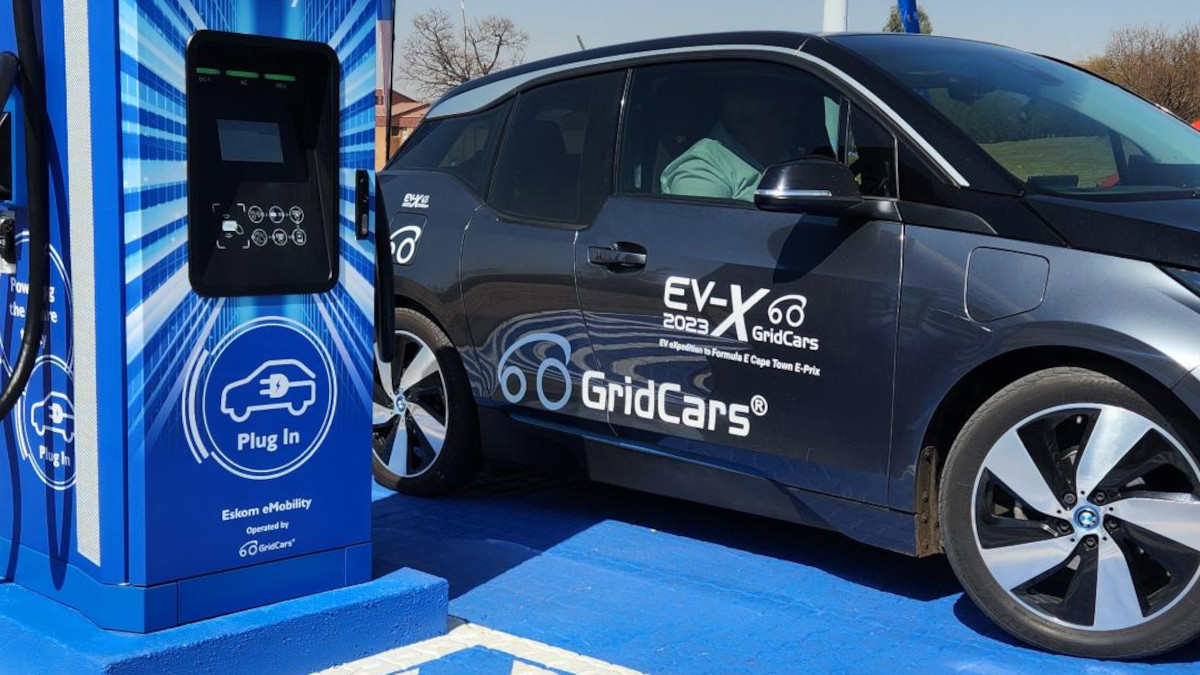
The forecourt area is also expected to evolve, as electric vehicle sales more than doubled in 2024.
Although they hold only a small share of the market, they are expected to grow as near-term constraints ease.
While fuel will remain a key revenue driver in the short term, its contribution is expected to decline, with forecourts moving from convenience retail to alternative energy gaining importance.
“The forecourt of the future will be defined by diversification,” said Karen Keylock, National Retail Franchising Manager at Nedbank Commercial Banking.
“As fuel volumes come under pressure, growth in convenience retail, strategic partnerships, and technology is creating new pathways to sustainable profitability.”















 Loading ...