

Mantashe issues another warning to petrol stations in South Africa


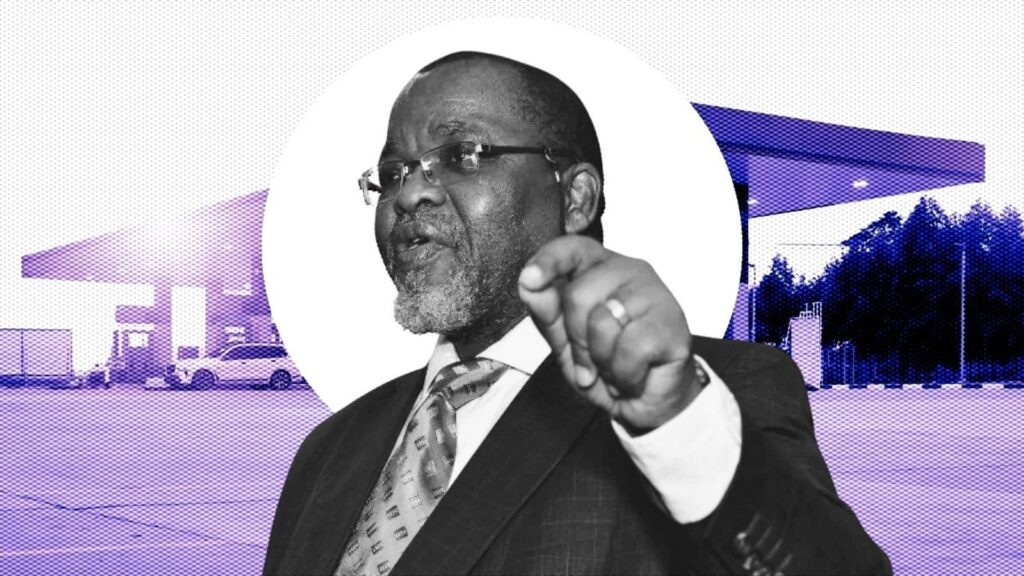
Minister of Mineral and Petroleum Resources, Gwede Mantashe, has issued another warning to fuel retailers, saying authorities are intensifying efforts to clamp down on service stations involved in price manipulation and the sale of adulterated diesel.
Speaking at the Fuels Industry Imbizo 2026 in Sandton on 10 June, Mantashe said the government remained concerned about incidents where some fuel retailers increased prices before official fuel price adjustments took effect.
In late March and early April 2026, the Department of Mineral and Petroleum Resources and the Fuels Industry Association of South Africa acknowledged reports that some service stations had raised diesel prices ahead of the official monthly adjustment date.
The reports emerged as motorists braced for what was expected to be a record diesel increase of between R7 and R9 per litre, driven by the conflict in the Middle East.
The prospect of this increase triggered panic buying among logistics companies and fleet operators, who sought to fill up before the higher prices took effect.
Following the fuel price shocks experienced in April and May, the Competition Commission warned fuel retailers against using the crisis as justification for unfair or premature price increases.
Addressing industry representatives, Mantashe said recent global events had highlighted the importance of energy security and the vulnerability of fuel-importing countries such as South Africa to international disruptions.
“The ongoing conflict in the Middle East has once again reminded us that energy security cannot be taken for granted,” he said.
“Events occurring thousands of kilometres away continue to affect fuel prices, supply chains, investment decisions, and economic stability across the globe.”
Despite these challenges, Mantashe thanked the industry for helping maintain stable fuel supplies in South Africa. However, he said this progress was undermined by the actions of a small number of operators.
“We remain troubled by incidents where some operators increased fuel prices ahead of official price adjustments,” he said.
“While these actions were limited to a minority of participants, they undermined public confidence and tarnished the reputation of the broader industry.”
“Compliance with regulatory requirements is not optional. It is fundamental to maintaining public trust and ensuring a level playing field for all participants.”
Dirty diesel remains a major problem

Mantashe also raised concerns about the growing problem of diesel adulteration and described it as one of the most serious threats facing the industry.
“Equally concerning is the continued adulteration of fuel products, particularly the illegal blending of diesel with illuminating paraffin,” he said.
The warning comes amid increasing reports of contaminated fuel being sold through retail outlets.
In April, Bidvest Protea Coin chief operating officer Waal de Waal said the company had identified more than 100 suspected illicit fuel depots across several provinces through aerial surveillance operations.
Diesel adulteration typically involves mixing diesel with cheaper illuminating paraffin. The practice has become increasingly attractive to criminal operators because paraffin is not subject to the substantial taxes and levies imposed on fuel.
The combination creates an opportunity for dishonest operators to increase profits by blending paraffin into diesel, expanding fuel volumes while selling the contaminated product to customers.
Adulterated diesel can damage vehicle engines and other diesel-powered equipment, potentially leading to expensive repairs and breakdowns. It also deprives the state of significant tax revenue.
Authorities have already uncovered major operations linked to the illicit trade. In June 2025, a joint operation involving SARS and other law enforcement agencies resulted in multiple arrests and the seizure of two million litres of adulterated fuel.
Investigators found some storage facilities contained fuel mixtures made up of more than 50% paraffin.
Mantashe said the government will continue working with law enforcement agencies and the fuel industry to tackle the problem.
“This criminal activity undermines the rule of law, distorts markets, damages equipment, compromises consumer confidence, and poses significant risks to our economy and national security,” he said.
“Government continues to work closely with law enforcement agencies to combat this illicit trade. However, we cannot succeed alone. Industry cooperation remains essential in identifying offenders and strengthening compliance throughout the value chain.”
















 Loading ...