

Interest rate heartbreak for South Africa


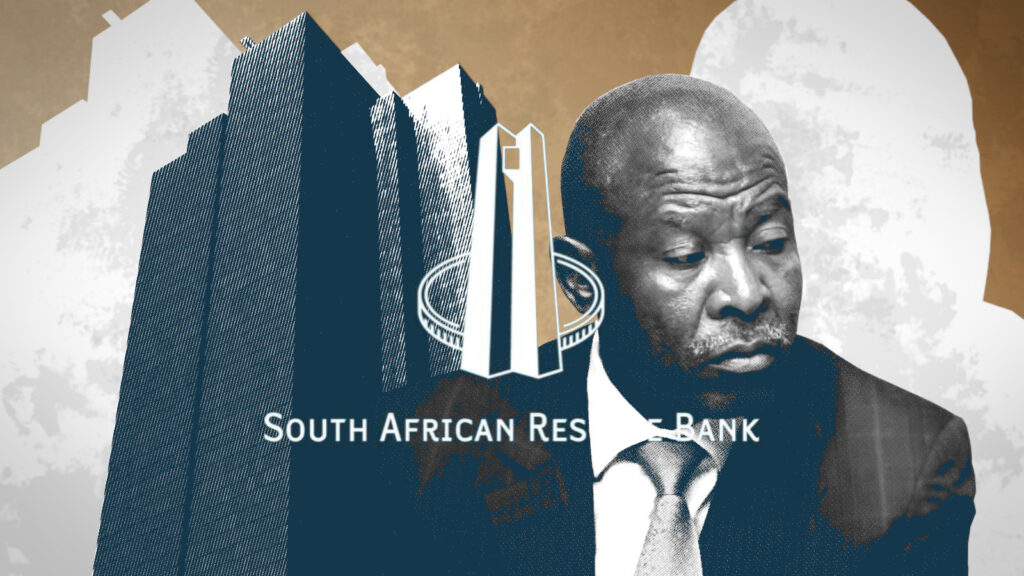
Hopes for interest rate cuts in South Africa have been dashed despite major signs of economic improvement across the country.
2026 began with optimism in South Africa and around the world. The South African Reserve Bank (SARB) was widely expected to cut interest rates by 50 basis points throughout the year.
However, Israel and the USA’s attacks on Iran and the subsequent shutdown of the Strait of Hormuz caused oil prices to skyrocket.
Reza Hendrickse, Portfolio Manager at PPS Investments, said that the shift in sentiment did not coincide with an immediate collapse in economic fundamentals.
“Growth remained positive through the quarter, and inflation outside of energy had been moderating,” said Hendrickse.
“While the situation remains fluid, the range of possible outcomes has widened considerably, and the risks that policymakers and investors now face have increased compared to the start of the year.”
The global economy was expected to grow 3.3% at the start of the year, supporting healthy labour markets and ongoing investment.
However, the April 2026 Economic Outlook lowered global growth to 3.1%. South Africa was dealt a larger blow, with growth projections slashed from 1.4% in January to just 1.0% in April.
PPS Investments’ base case sees the war as a supply shock that interrupts rather than permanently derails the global economy.
However, Hendrickse admitted that the distinction offers limited comfort when households are
facing sharply higher energy and food costs.
Central banks have also lost the ability to respond with meaningful rate cuts to lower the pressure on South African households.
“Central banks in South Africa and several other emerging markets have suspended anticipated rate reductions, citing imported inflation risks from the energy shock,” said the portfolio manager.
A blow for South Africa at the wrong time
The lack of interest rate cuts in South Africa is especially disappointing due to the encouraging signs in the country in the first quarter of 2026.
Hendrickse noted that inflation in South Africa had slowed to 3.0% in February, aligning with the SARB’s new target rate.
He added that GDP also expanded for the fifth straight quarter, and the February Budget struck a constructive tone.
The Budget noted that the fiscal deficit is projected to narrow, gross debt is expected to stabilise at 78.9% of GDP, and the primary surplus is continuing to improve.
“That positive domestic story has been complicated by the external shock. Fuel costs are now driving inflation higher, making the interest rate cuts that had been expected in mid-2026 unlikely,” he said.
“Analysts suggest fuel prices may remain elevated if supply tensions persist and the rand does not recover.”
He noted that South Africa’s structural story remains more credible than it has for some time, but the global backdrop has made the near-term path more difficult.
“The energy shock could prove more persistent, while supply chains and monetary policy will take time to work through.”
South African consumers are set for large increases at the pumps in May, with the latest data from the Central Energy Fund predicting increases for petrol at over R2.00 and diesel at over R7.
A major concern is that higher fuel prices are starting to bleed into other parts of the economy, with the cost of transporting goods then reflected in prices at the tills.









 Loading ...