

Private hospitals in South Africa take the NHI to court


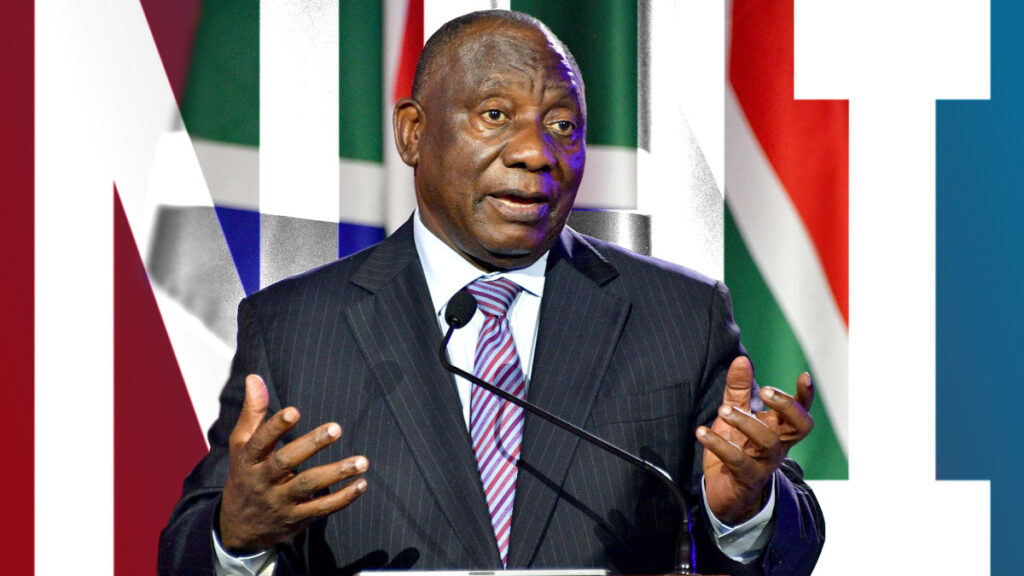
The Hospital Association of South Africa (HASA) has filed a legal challenge against the NHI after the government failed to engage with stakeholders over remedies to parts of the Act that it argues are unconstitutional and financially unviable.
HASA is South Africa’s biggest hospital group, representing major private healthcare providers, including Life Healthcare and Netcare, recently delisted Mediclinic and independent non-listed groups such as Lenmed Group and Joint Medical Holdings.
Collectively, HASA members provide a range of facilities, including acute care hospitals, day hospitals, renal centres, mental health and rehabilitation centres.
HASA’s legal papers, submitted to the Gauteng High Court in Pretoria at the end of January, argue that the NHI should be set aside because it is constitutionally invalid.
The association’s main concern is that the scheme violates Section 27 of the Constitution, which guarantees every South African the right to access healthcare services.
The NHI, which fundamentally seeks to overhaul the country’s healthcare framework and funding mechanisms, is seen as financially unfeasible and potentially disruptive to access to care.
HASA also argues that the government failed to conduct a recent financial feasibility study on the likely costs of implementing the NHI.
Without evidence that the scheme is affordable and can avoid severe funding shortfalls, the association believes that moving forward with the plan could lead to dire consequences for the entire healthcare system.
HASA has also expressed frustration over the government’s unwillingness to engage constructively with stakeholders.
“HASA remains unequivocally committed to working with all stakeholders to build a healthcare system that sustainably benefits all citizens of South Africa and urges all involved parties to engage in a solution-oriented approach,” it said.
“HASA believes that National Health Insurance is neither sustainable nor affordable and that dialogue and collaboration between all stakeholders are critical to finding and developing solutions to achieve universal health coverage.”
“Despite its preference for dialogue over litigation, HASA was left with little choice but to proceed with its legal challenge,” it added.

The association highlighted the government’s lack of response to multiple constructive and practical proposals, including those from Business Unity South Africa (BUSA).
Recent statements from the Minister of Health regarding the imminent publication of NHI regulations have further reinforced HASA’s concerns.
“Even though HASA has decided to proceed with legal action, it remains hopeful that the Presidency will respond positively to the constructive proposals.
“HASA remains open to engaging with the government on the way forward in parallel with the legal process,” the association said.
Melanie Da Costa, Chairperson of HASA, added that the association is committed to participating constructively while the legal process unfolds.
“As an organisation, we have always preferred to resolve matters through dialogue, and we believe that effective healthcare solutions are urgently needed and achievable through a reasonable and collaborative approach.”
This legal challenge follows mounting criticism of the NHI from various healthcare associations and alternative proposals that the government has largely ignored.
The Universal Healthcare Access Coalition (UHAC), which comprises 28 signatories, including the South African Medical Association (SAMA), the Progressive Health Forum, and the South African Private Practitioners Forum, has proposed alternatives to the NHI to improve healthcare quality and affordability.
UHAC said its proposed reforms are designed to be more feasible and cost-effective than the NHI scheme currently envisioned.
“They have the potential to significantly enhance the healthcare system within three to five years, rather than the decade or more that the NHI is expected to take,” it said.
The coalition argues that its structural reforms would improve public healthcare and curb the rising costs of medical aid schemes without the massive financial and operational risks posed by the NHI.
Despite these efforts, President Cyril Ramaphosa’s administration has shown no indication of reconsidering its stance on the NHI.
In his State of the Nation Address, he made it clear that the scheme would move forward, while the National Health Department dismissed any notion of potential changes to the legislation.
UHAC has warned that the current trajectory of the NHI Act is unsustainable. “The public system continues to struggle due to entrenched corruption and governance failures, while necessary reforms in the private sector remain stalled,” it said.
Another major point of contention is the uncertainty surrounding the future of medical schemes under the NHI.
Contradictory government statements have left stakeholders in limbo, with no clear direction on whether private medical schemes will continue operating fully under the new framework.
UHAC argues that even if adjustments are made to allow medical schemes to coexist with the NHI, this would not address the policy’s fundamental flaws.

















 Loading ...