

SA’s automotive aftermarket – Future fit or left behind?


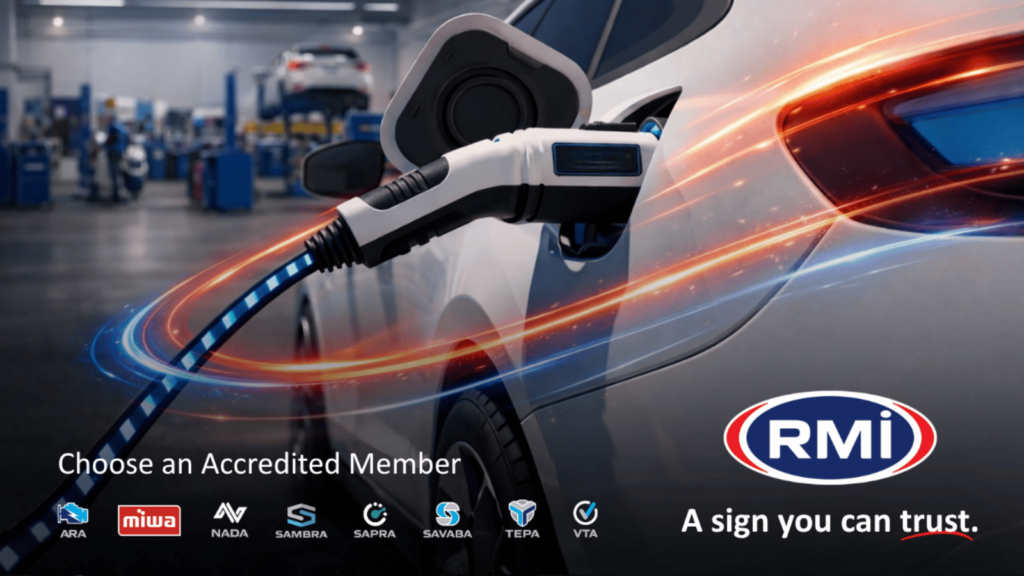
The future car parc will look very different from today’s. It will be more electrified, more connected and increasingly software-driven.
Preparing for that future requires investment – not only in tools and infrastructure, but most importantly, in people.
South Africa’s automotive sector is entering a decisive decade.
Rapid advances in vehicle technology, the global shift towards new energy vehicles (NEVs), and changing consumer expectations are reshaping the industry at pace.
The question is no longer whether the sector will transform, but whether it will be ready in time.
For the Retail Motor Industry Organisation (RMI), preparing the aftermarket ecosystem today to remain relevant, competitive and sustainable tomorrow is critical.
While electric vehicles (EVs) continue to dominate global headlines, the reality in South Africa is more nuanced.
Battery electric vehicle uptake remains relatively low, but hybrid vehicles are already firmly embedded in the local car parc and are steadily changing workshop dynamics.
This transition is not a distant future scenario – it is unfolding now, and it is already impacting skills requirements across the sector.
South Africa’s automotive aftermarket plays a critical role in the economy, supporting over 270 000 jobs across more than 23 000 predominantly small and medium-sized businesses.
It is this network of workshops, dealerships, parts suppliers and service providers that ensures mobility, affordability and road safety for millions of motorists.
However, the rise of EVs and hybrid technologies is fundamentally changing how vehicles are serviced, maintained and repaired.
High-voltage systems, advanced diagnostics, software integration and battery management require a new level of technical expertise.
Without the right skills pipeline, the risk is clear: businesses fall behind, and with them, the broader economy.
Recognising this, the RMI has placed skills development at the centre of its future strategy.
Collaboration between industry, government and education institutions is accelerating, with a strong emphasis on aligning training with real-world demands.
Importantly, the RMI’s response to technological change is rooted in training.
This commitment was recently demonstrated through the launch of a structured collaboration with the German development agency GIZ, the German Chamber of Crafts Erfurt (HWK), South Africa’s TVET colleges, and the Department of Higher Education and Training (DHET).
This partnership brings together dual-training methodologies, workplace-based learning and curriculum alignment to better prepare technicians for the realities of electrified and connected mobility.

“Electric and hybrid vehicles are not just changing the cars we drive – they are fundamentally changing the skills required to service and repair them,” says Louis van Huyssteen, National Training Director at the RMI. “Without structured, accredited training, the risks associated with high-voltage systems and advanced vehicle technologies are significant.”
Initiatives such as the development of South Africa’s first nationally recognised electromobility qualification, led by merSETA and the Quality Council for Trades and Occupations (QCTO), mark a critical step forward.
These programmes aim to standardise training, ensure safety, and equip technicians with the competencies needed to work confidently on modern vehicles.
“At the moment, much of the training in this space is fragmented,” Van Huyssteen adds. “Formalising a national qualification ensures consistency, credibility and, most importantly, safety across the entire automotive value chain.”
At the same time, international partnerships are playing an increasingly important role.
Collaboration with organisations such as the German Chamber of Crafts Erfurt brings global best practice into the local context, particularly through dual education models that combine theory with hands-on workplace experience.
“This alignment is essential. The impact of new vehicle technologies is often felt first in the aftermarket – long before mass adoption is visible in sales figures. Our member businesses must therefore be ready ahead of the curve, not in response to it,” says Van Huyssteen.
He says the aftermarket doesn’t have the luxury of waiting for volumes to increase. “Technicians need to be ready before the vehicles arrive in significant numbers. That’s why skills development must move ahead of the market.”
The shift is not only technical but also structural.
Training institutions, particularly TVET colleges, are being called upon to evolve rapidly.
Lecturer development, updated curricula, and properly equipped training facilities are no longer optional – they are prerequisites for a future-fit workforce.
Encouragingly, momentum is building.
Industry stakeholders are working more closely than ever to create a coordinated, scalable skills ecosystem.
The integration of occupational qualifications, workplace-based training and international expertise is helping to bridge the gap between education and employment.
Looking ahead, more practical support is already in development for members – including basic electric vehicle awareness and safety training.
This will be critical in ensuring that even at entry level, businesses are equipped to engage safely and confidently with emerging technologies.
Yet, the challenge remains significant.
Technology will continue to advance, and the pace of change will only accelerate. Businesses across the automotive value chain need to adapt proactively or risk being left behind.
“The future of the automotive sector will be defined by how well we prepare our people today,” Van Huyssteen concludes. “If we get the skills right, the industry will not only adapt – it will thrive.”
Learn more about the Retail Motor Industry Organisation (RMI).

















 Loading ...