

Reverse brain drain for one of South Africa’s most important sectors


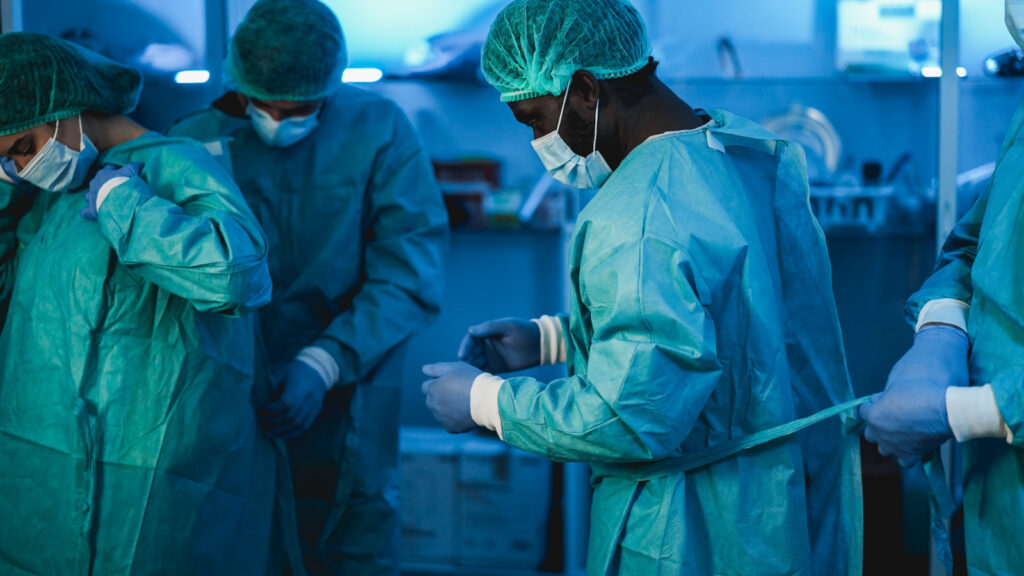
While South Africa has seen a large number of medical professionals leave the country, many medical students who choose to study abroad are returning home.
Many South African healthcare workers have emigrated to Canada, Australia, the United States, Portugal, and the United Kingdom.
These moves come amid a lack of employment opportunities for newly qualified doctors, poor governance at public hospitals, concerns about the NHI, and high demand from developed markets.
“One in four emails we get is always from a healthcare professional wanting to emigrate,” said Beaver Immigration consultant Nicholas Avramis.
However, there is one positive, albeit roundabout, sign: many South African students are moving to Europe to study medicine.
South Africa produces hundreds of thousands of matriculants each year, who compete for about 105,000 university spots.
Medicine is especially competitive, with acceptance rates at the University of Cape Town, Stellenbosch University, and the University of the Witwatersrand around 5%.
This places medicine as one of the most contested programmes in the country, with more capable candidates than the system can accommodate.
The pressure is increasingly reshaping where South Africa’s next generation of doctors is being trained.
“Medicine is one of the only programmes in South Africa where you can have genuinely strong marks and still not secure a place,” said Brad Latilla-Campbell, Country Manager at Crimson Education.
“Eight distinctions at 80% is not the same as eight distinctions at 90% – and at some of the best universities, that margin determines everything.”
Latilla-Campbell said that the UK is the obvious draw, even if the barriers to entry still remain very high.
With Oxford admitting only about five international students per year to its medical programme, a more practical route is to complete a proxy degree, such as biomedical science.
Students can then transition to medicine via the Graduate Entry pathway, which is an accelerated four-year programme available at several top UK institutions.
“It’s more accessible for international students than undergraduate medicine, but an indirect path nonetheless,” admitted Latilla-Campbell.
Back to South Africa, via Europe
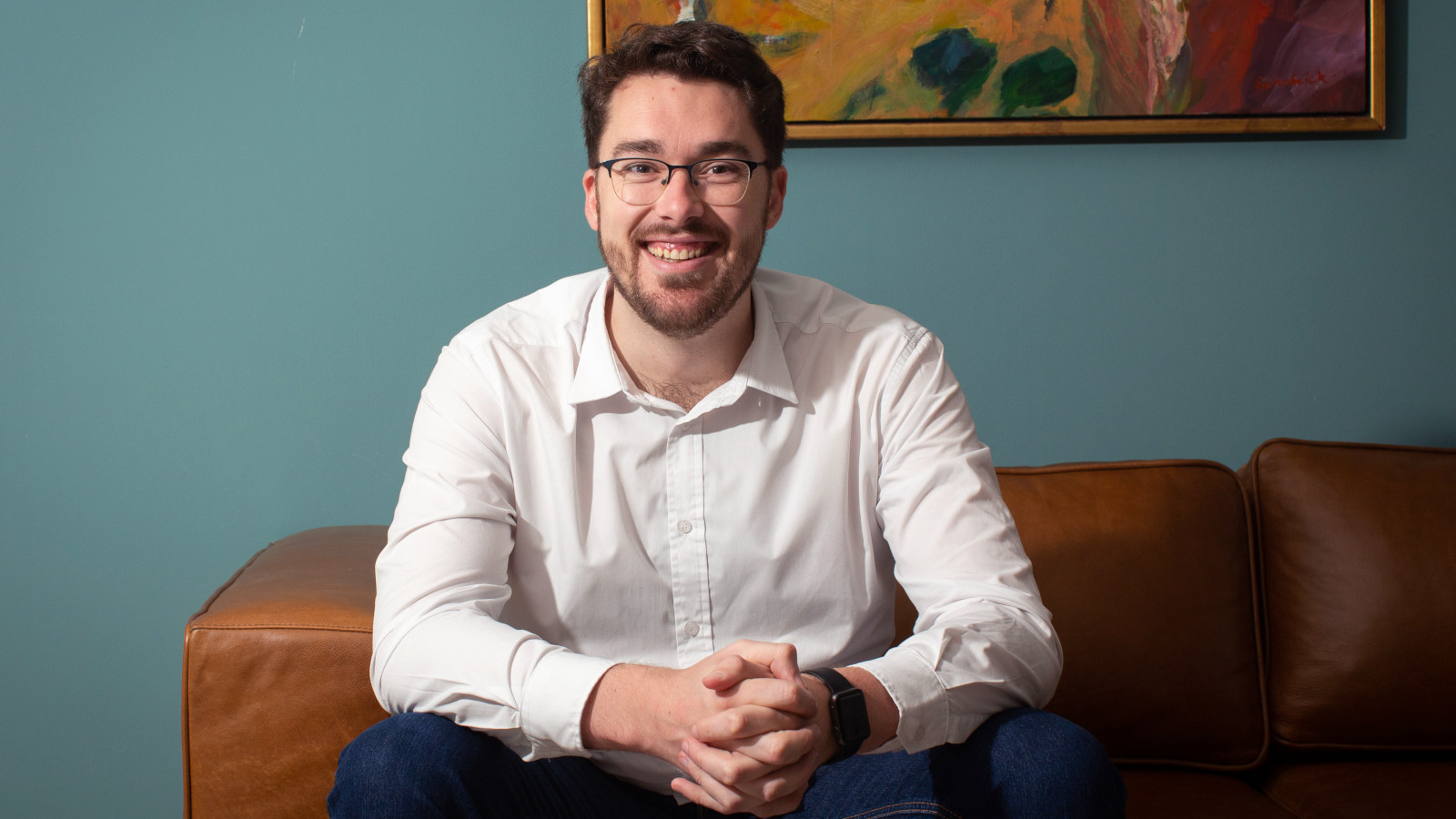
For those looking for a more direct route, Europe also has several options, including the University of Nicosia in Cyprus and UMCH University in Germany, which offer purpose-built international cohorts.
While these admission processes are rigorous, they are more accessible than the domestic options for many South African students.
“The academic bar is high, and the training is world-class, but the admissions process tends to place greater emphasis on a student’s overall potential,” said the education expert.
This means that European schools, which still train in English, do not force students to compete for an extremely limited number of places, as is often the case in South Africa or the UK.
While many of these students are studying abroad, Latilla-Campbell said that this is not a brain drain, which sees important skills leave South Africa for international markets.
Most of the students pursuing European medical degrees have a strong intention to return, with many drawn to Europe out of necessity, rather than disillusionment.
For those returning, the route back has become routine, with international qualifications converted through the Health Professions Council of South Africa (HPCSA).
“Five or ten years ago, studying medicine abroad was seen as a fallback – something you pursued if you couldn’t get in locally,” he said.
“That perception has shifted fundamentally. The students choosing this route today are among the strongest we work with.”

















 Loading ...