

Billionaire Christo Wiese’s advice for anyone who wants to leave South Africa


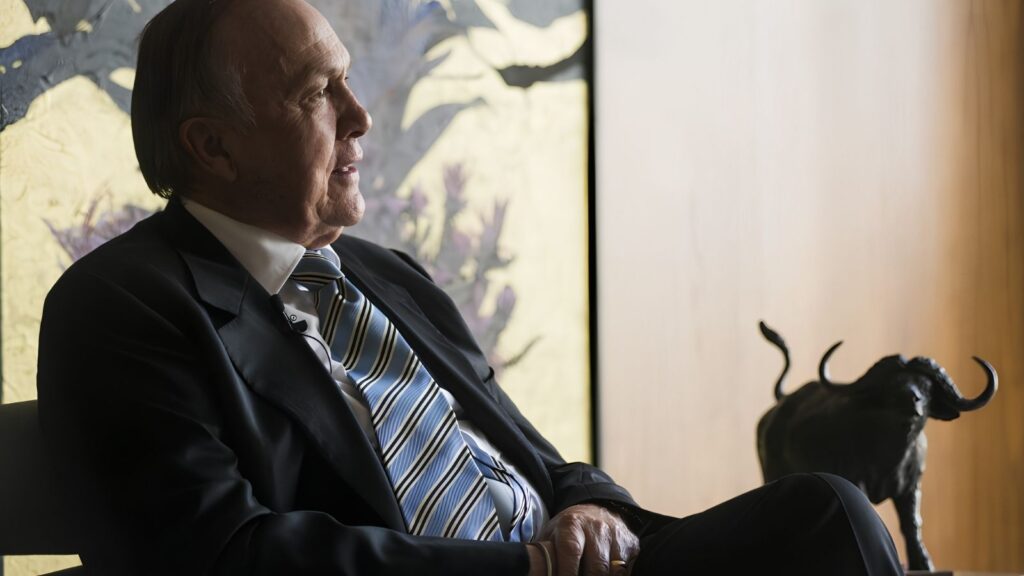
Christo Wiese has urged South Africans considering leaving the country to think carefully before making the decision.
He added that his own experiences and exposure to the rest of the world have strengthened his belief in South Africa’s future.
The businessman and former Shoprite chairman said his international travels and interactions with prominent global business and political figures had given him a broader perspective on the challenges facing South Africa.
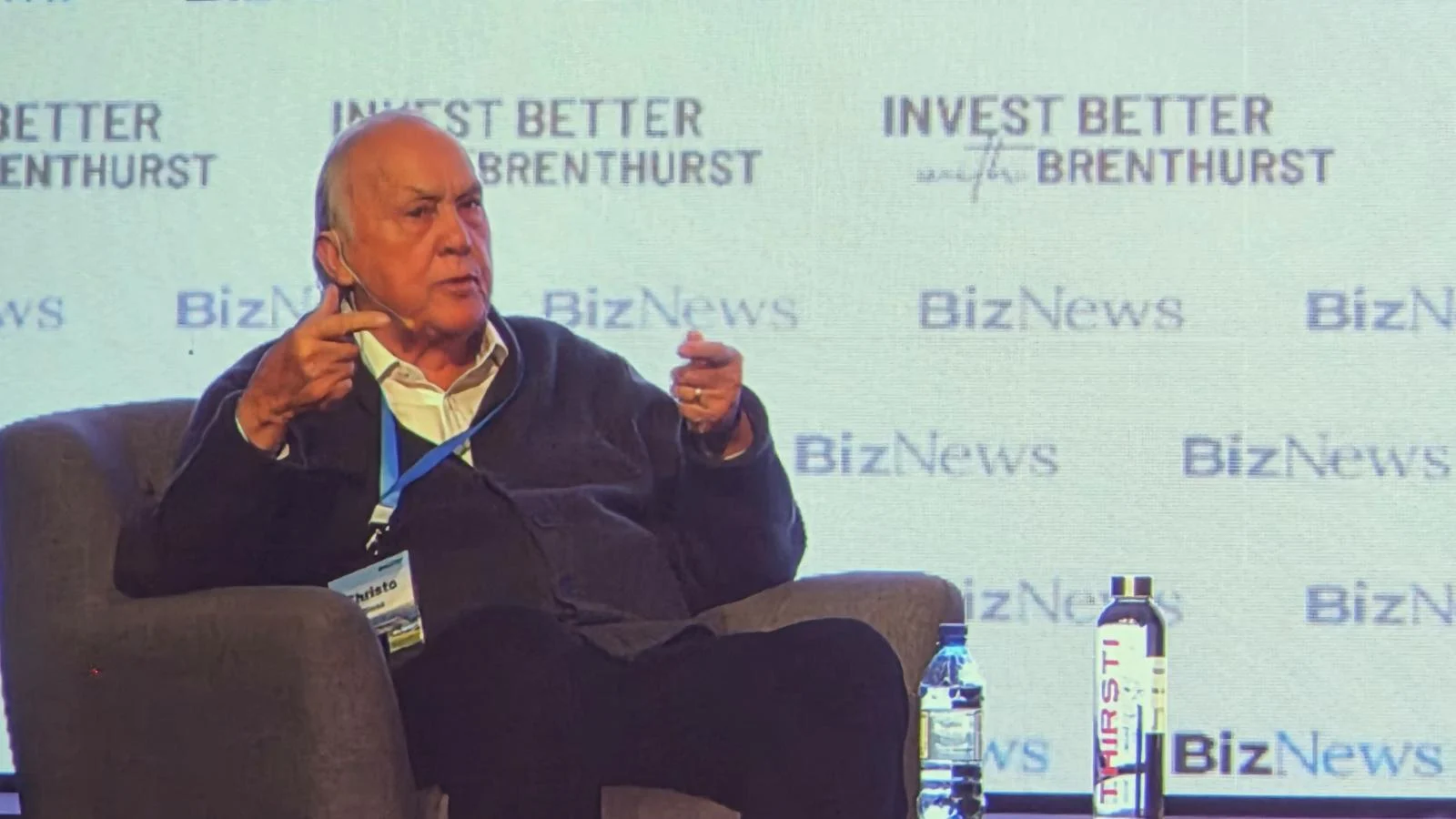
Rather than becoming more pessimistic about the country, Wiese said the opposite had happened. “It strengthened my belief in South Africa, my optimism for South Africa,” he said during an interview at the 9th BizNews Conference in Hermanus.
Wiese said spending time with people from around the world had made him more aware that South Africa was not unique in facing serious economic, political, and social problems.
“You suddenly become aware of just how many problems there are in the rest of the world and how people are grappling with them,” he said. “Sometimes successfully, other times less successfully.”
For Wiese, this international perspective is important when assessing South Africa’s prospects. He believes the country’s problems should be considered in the context of what is happening elsewhere rather than viewed in isolation.
His message to those considering leaving is reflected in a simple question he has used when people ask him what he thinks of South Africa.
“My answer is: compared to what?” he said. “Let’s start there. Compare. And then suddenly the picture looks a bit different.”
Wiese, who is in his 80s, said he remains optimistic about South Africa because he continues to see opportunities in the country and enjoys working with younger entrepreneurs and colleagues.
“I see so many opportunities in South Africa that I’m always amazed that it seems so many people just don’t see it,” he said.
There are things that need to change in South Africa
He also believes South Africa has made some progress in recent years, particularly through the formation of the Government of National Unity (GNU).
While he acknowledged that the coalition government still has to translate much of its rhetoric into action, he said the direction was encouraging.
Wiese expects coalition governments to become a feature of South African politics over the next decade, including at the municipal level, and believes this could ultimately be positive if the right people are involved.
However, Wiese also believes South Africa needs to address fundamental structural problems, including unemployment and a shortage of entrepreneurs.
He pointed to the country’s low proportion of business owners and the self-employed as a major concern.
According to figures he cited during the interview, the proportion is around 5% in South Africa, compared with about 20% in comparable middle-income countries. “That’s a worry,” he said.
Wiese also believes that South Africa needs greater accountability in its political system and has called for another look at the country’s electoral and parliamentary arrangements.
Despite these concerns, his personal decision appears clear. His children and grandchildren remain in South Africa, and he said he encourages them to build their lives in the country.
“My children are here, my grandchildren are here. And I’m encouraging them to make their lives here,” he said.
Wiese’s advice is not that South Africa is without problems, but that leaving should not automatically be viewed as the answer. His own global perspective has left him more convinced that the country has significant potential.
“I love life,” he said, explaining why he continues working and trying to contribute despite his age. “I see so many opportunities in South Africa.”
For South Africans weighing up emigration, his message is to step back from pessimism, look beyond the country’s borders, and make comparisons before deciding that the grass is greener elsewhere.















 Loading ...