

Home Affairs taken to court over controversial fee increase


The lobby group representing South Africa’s largest telecommunications network operators has started legal proceedings against Home Affairs.
The Association of Communications and Technology NPC (ACT) has initiated a High Court review to set aside regulations that increase the fee to access the National Population Register (NPR).
The review application was served to the Minister of Home Affairs and the Minister of Digital Communications.
The new regulations were published in June 2025 and looked to increase the fee for identity verification checks from 15 cents to R10.
Home Affairs Minister Leon Schreiber said that the fee increase was necessary as the 15-cent charge had been low and had not changed for over 10 years.
However, the cost of maintaining and upgrading the system increased each year, leaving the department unable to recover costs.
Schreiber noted that the low fee placed the Home Affairs system under extreme strain, leading to the well-known downtime that the public suffers from.
ACT said that its members play a crucial role in ensuring compliance with the Regulation of Interception of Communications and the Provision of Communication Related Information Act (RICA).
“Unfortunately, the 6,500% increase in the cost of utilising the OVS will have a direct negative impact on the ACT members’ processes and ultimately consumers,” said ACT.
“This huge increase will make it far more expensive for network operators, banks and other companies to verify their customers’ identities.”
It said that the move would likely push up the cost of essential services for millions of South Africans who are already under financial pressure.
ACT said that it made repeated requests for meaningful engagement and consultation, but ACT and its members were not afforded a fair opportunity to make representations with Home Affairs.
Nomvuyiso Batyi, CEO of ACT, said that the lack of public consultation marks a “significant departure from the principles of cooperative governance and accountability enshrined in the Constitution.”
ACT’s court case focuses on the following main issues:
- The Minister’s decision was taken without properly consulting with the affected industries and stakeholders
- The fee increase is unjustified/baseless, disproportionate, and not rationally connected to the stated objectives or the information before the Minister.
- The regulations have a detrimental effect on the telecommunications sector, financial services, and all industries reliant on consumer identity verification.
- The absence of a transitional period and the abrupt implementation of the new fees continuously cause irreparable harm to operators and the public.
Not the first time
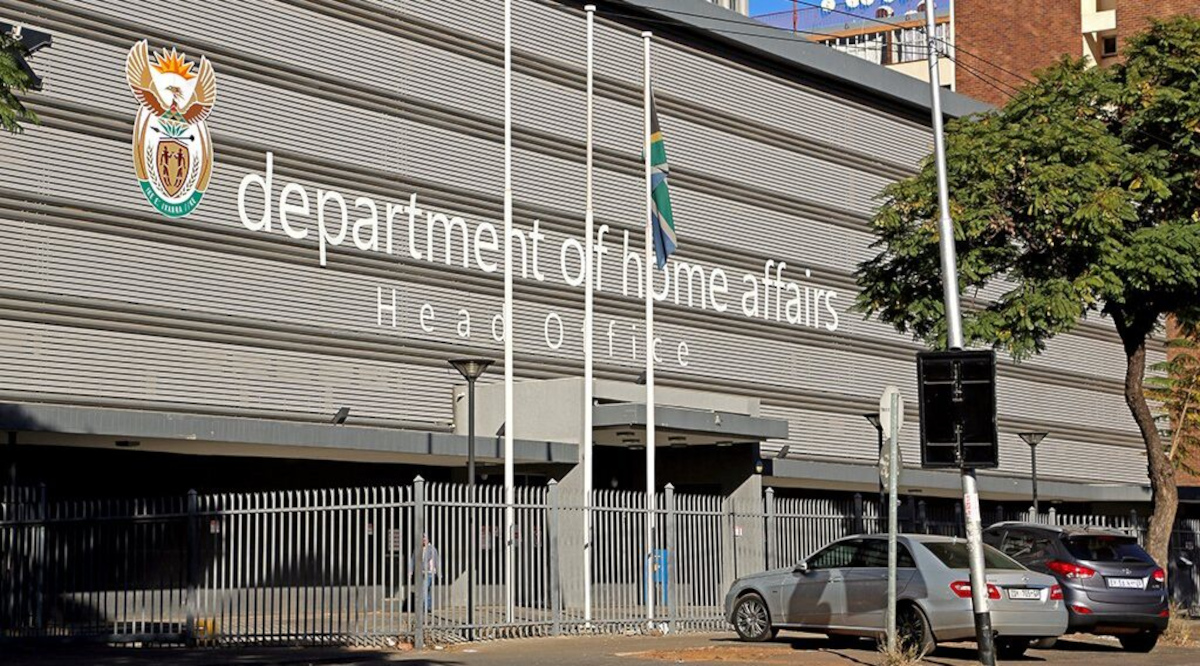
ACT’s court case is not the first public showing of discontent with the fee increase, with the Tyme Group writing a letter to President Cyril Ramaphosa to stop the increase
The letter asked Ramaphosa, the Minister of Finance, Enoch Godongwana, and the Reserve Bank Governor, Lesetja Kganyago, to intervene.
Coenraad Jonker, co-founder and CEO of Tyme Group, said the new structure would be detrimental and damaging to the entire banking industry.
He noted that the fee increase would be crippling for the banking industry and would have serious consequences for those serving vulnerable communities.
“This is not just a policy shift—it’s a regressive tax on the most vulnerable South Africans,” said Jonker.
However, Schreiber was quick to criticise Jonker, stating that he prioritises profits over the public good.
Home Affair’s Response
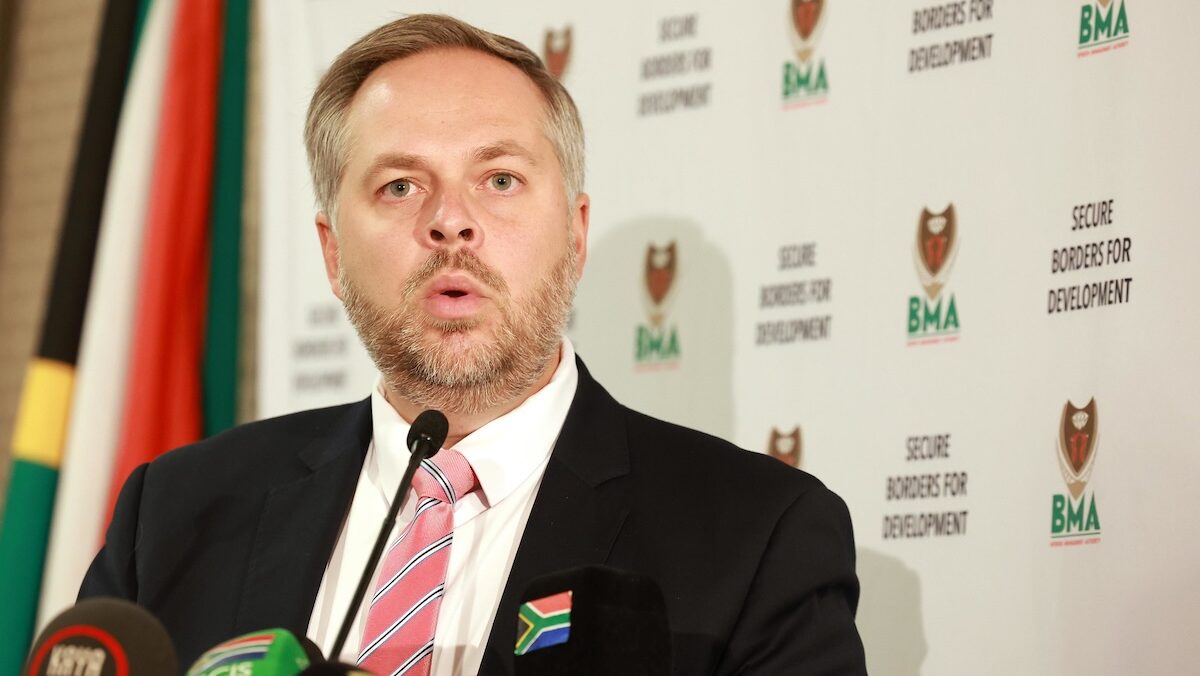
Since publication, Home Affairs, via spokesperson Carli van Wyk, sent a response to our sister publication, MyBroadband, which can be found here:
For more than a decade, taxpayers were unwittingly subsidising the corporate users of the Department of Home Affairs’ Online Verification Service (OVS), which enables private companies to verify the identity of their clients directly against the population register. At an unsustainable cost of only 15 cents for a realtime identity verification, these companies gained access to personal data on the South African people that enabled them to extract enormous profits, while depriving Home Affairs of the resources required to maintain and upgrade the OVS over time.
This unsustainable pricing, which was not previously adjusted since the service was introduced in 2013, led to the gradual decline and eventual near-collapse of the OVS. By 2024, over 50% of verification attempts failed. This included attempted verifications in terms of the Regulation of Interception of Communications and the Provision of Communication Related Information Act of 2002 (RICA), exposing the country to an unacceptable level of risk.
In addition, some corporate users abused the underpriced service to such an extent that Home Affairs’ own offices lost access to the population register. It is this profiteering at the expense of taxpayers and ordinary South Africans, who have to endure long queues and “system offline” challenges as a result of the abuse of the OVS, that ACT’s court case seeks to reinstate.
Home Affairs welcomes the opportunity to now expose before the courts, in granular detail, how some users came to rely on unsustainably underpriced access to the personal information of South Africans to drive profits under the previous fee structure at public expense. This even included apparently creating intermediaries to on-sell data at a premium, on the basis that the OVS that they had themselves driven to near-collapse through underfunding and abuse, was unreliable.
To address the urgent risks associated with this unsustainable situation, Home Affairs last year finally corrected the decade-long underpricing of the OVS. This was done in full compliance with applicable legislation, following a period of public consultation in which members of ACT participated. It was also done after concurrence was obtained from the Minister of Finance, in compliance with the Identification Act of 1997. The outcome of this lawful process was to correct the fee per real-time verification from 15 cents to R10, while also introducing a low-cost off-peak verification option costing just R1 per transaction.
As a direct result of this long-overdue price correction, Home Affairs has since made substantial upgrades to the service that now consistently delivers world-class results within seconds. The integration between Home Affairs and the banking sector through the OVS also forms part of the backbone for reforms that will enable South Africans to obtain Smart IDs and Passports at hundreds of bank branches around the country, and through widely-used digital banking apps.
Most users of the upgraded OVS have welcomed these reforms and the resultant dramatically improved performance. Home Affairs however looks forward to using this opportunity to expose the full set of facts on past abuses, and on all other relevant aspects before the court.

















 Loading ...