

Employee on the chopping block for R54 billion Eskom mistake


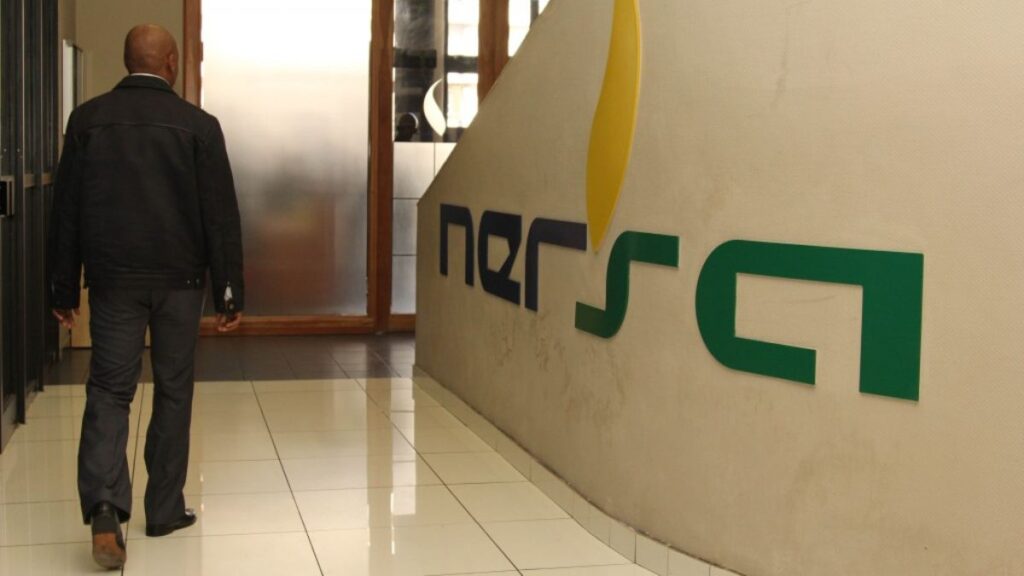
The National Energy Regulator of South Africa (Nersa) has admitted to making a staggering R54 billion error in its calculations of Eskom’s revenue requirements.
This mistake will cost South Africans through higher electricity tariffs in the coming years, and has led to the suspension of a senior staff member responsible for the input error.
Nersa also noted that it has commissioned an independent audit to investigate how such a serious miscalculation was allowed.
Nersa chair Thembani Bukula, appearing before Parliament’s energy committee on Wednesday, 10 September, said the error was traced back to incorrect depreciation and regulatory asset base inputs.
Although it was flagged internally in January 2025, it was never corrected. As a result, Eskom will now be allowed to recover the lost billions through phased tariff hikes.
Instead of the previously approved increases of 5.4% and 6.2%, average electricity tariffs will rise by about 9% next year and again in 2027.
“Our processes, as much as we thought that they were robust for the many years that they’ve been in place, have really failed us,” Bukula said.
“Our auditing process and our process of ensuring the quality of the approved documents are at the required level, have partly failed us. We come to say that we apologise for this error. It is regrettable and something that should not have happened.”
Bukula added that a staff member responsible for oversight of the data-entry glitch that shortchanged Eskom has been suspended.
Energy expert Chris Yelland has described the error as “absolutely astounding,” particularly given the financial toll Eskom has already taken on the country.
He noted that, for years, massive, undeclared, imprudently and inefficiently incurred costs at Eskom have been passed on to consumers in the form of higher tariffs.
Yelland argued that instead of further burdening consumers, Nersa should claw back these costs on behalf of electricity users to reduce tariffs.
“Eskom’s revenue in the 2024/25 financial year is expected to be about R300 billion, so the R54 billion error means Eskom is being allowed an extra approximately 18% price increase over and above the MYPD6 price increases already granted.”
Forced to pay for the incompetence

The Democratic Alliance (DA) also condemned the situation, calling it “incorrigible” that citizens and businesses are once again forced to pay for Eskom and Nersa’s failures.
“South Africans, struggling under the weight of high electricity costs and a fragile economy, will now face additional tariff hikes on top of the already steep increases previously approved,” the party said.
“Businesses, municipalities, and households will once again be forced to pay for the incompetence of the regulator and the inefficiency of Eskom.”
For many South Africans, the financial pain will extend beyond just higher tariffs. A January report by the auditor-general warned that cost-reflective electricity prices could push more consumers toward illegal connections and unregulated prepaid vouchers.
The report emphasised that Eskom should instead focus on cutting costs and improving collections from indebted municipalities.
Eskom, which has recently stabilised the grid after years of load shedding, is also attempting to reinvent itself in a changing energy landscape.
The utility has announced plans to build its own renewable capacity and invited large energy users to buy solar-generated electricity directly.
At the same time, Eskom has faced criticism for legally challenging trading licenses granted by Nersa to private renewable players, a move that business groups and Electricity Minister Kgosientsho Ramokgopa have urged it to withdraw.
Eskom insists the legal action is partly aimed at protecting low-income households, saying that if large commercial customers are removed from its cross-subsidy base, the burden of funding Eskom and municipal obligations will fall even harder on ordinary consumers.











 Loading ...