

R4.2 billion shutdown hits major university in South Africa


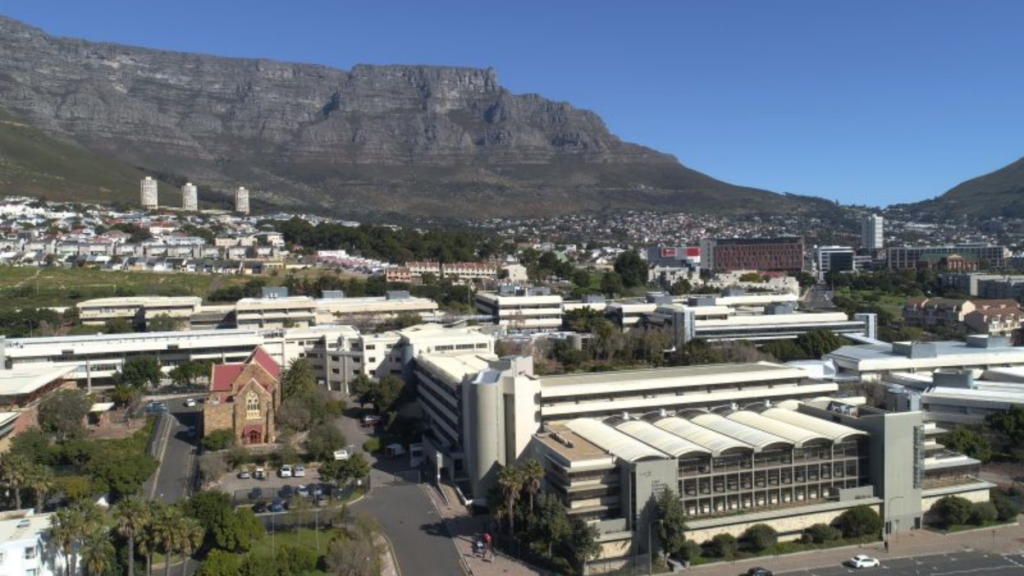
The Cape Peninsula University of Technology (CPUT) has withdrawn a draft financial plan to recover R4.2 billion in debt, after student protests shut down its campuses.
The decision to recall the proposal follows several days of student unrest and a second memorandum that students submitted to university management earlier this week.
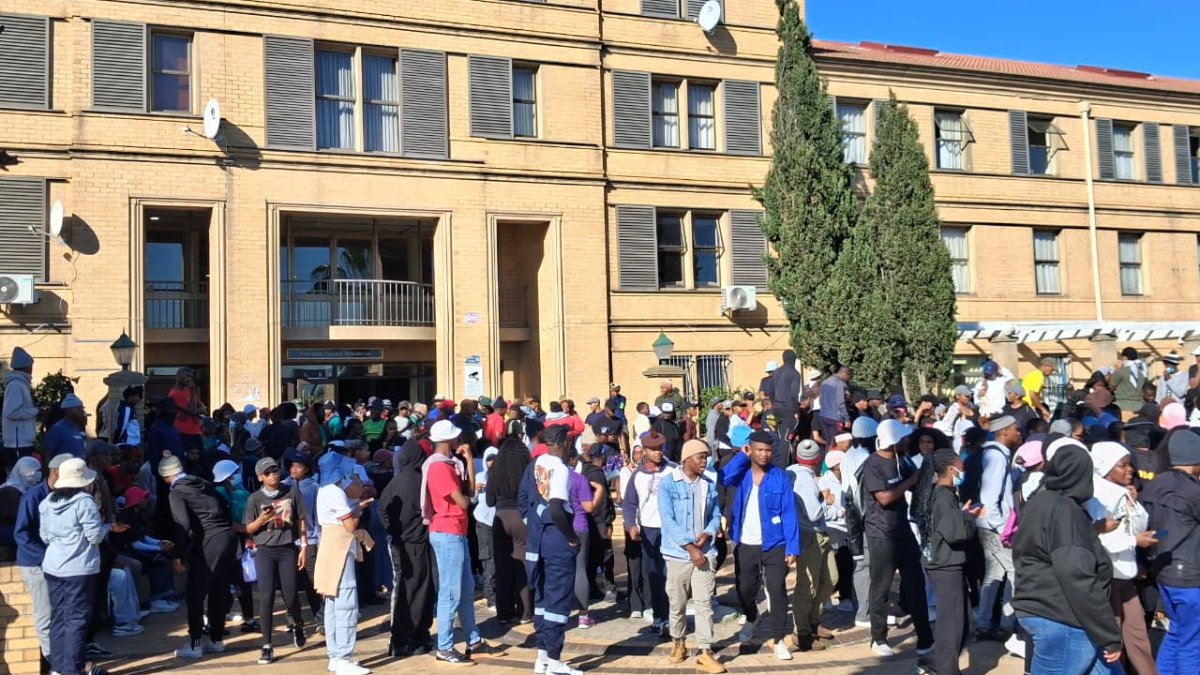
During the protests, lectures were halted at various of the CPUT campuses, and students planned to stage a shutdown.
Last week, CPUT students delivered a memorandum of demands to the university management at the Bellville campus, following a mass meeting organised by the Central SRC.
The Draft Financial Recovery Plan is a university strategy to reduce CPUT’s R4.2 billion in student debt.
To implement this, the university will require students to pay a mandatory registration fee of R7,000 and a portion of their outstanding arrears upfront.
Under this new recovery plan, the option to register by signing a debt pledge will no longer be available.
Despite the memorandum being submitted on Tuesday afternoon, violence erupted at the university’s Bellville campus throughout this week, including a security vehicle being set on fire at the Wellington campus.
The protests, organised by the central SRC, drew participation from various student organisations.
This includes the Pan-Africanist Student Movement of Azania, the Economic Freedom Fighters Students’ Command, and the uMkhonto weSizwe Student Movement.
Participants demanded the withdrawal of the 2027 financial recovery plan and the release of academic transcripts and graduation certificates that have been withheld from students.
They emphasised that this issue mainly affects students living in CPUT’s residences, which cost more than the NSFAS cap of R52,000 per year, as they are required to cover the additional expenses.
An initiative to reduce R4.2 billion in student debt
CPUT media spokesperson Lauren Kansley said that management hopes the Council’s decision will help restore calm throughout the institution.
She said that the protests caused damage to property and violence, including a female security staff member being struck in the face with a brick.
“In a Special Sitting of our Council yesterday evening, a decision was taken to withdraw the Draft Financial Recovery Plan (FRP) for 2027, so that further consultation can happen,” said Kansley.
“Council is the highest decision-making body of the institution, and the discussion around a minimum initial payment was taken at the behest of Council so that more robust financial planning happens,” she said.
Kansley said the vice-chancellor received the memorandum but expressed concerns about the manner in which the handover occurred.
GroundUp reported that she mentioned management was willing to engage with student representatives; however, the situation became unsafe during the attempted handover.
During a meeting on Wednesday night, the CPUT council decided to withdraw the draft plan for further consultation, according to Kansley.
“We expect that all protest action should stop immediately,” she said.
The proposed financial recovery plan includes an initial payment of R3,500 for new students registering in the academic program, as well as an additional R3,500 for those staying in residences.
This policy will apply only to self-funded students and will not affect NSFAS-funded students, according to Kansley.
The changes will primarily impact new students and those pursuing postgraduate qualifications.
The payments will be credited toward the students’ fees for the academic year.
According to GroundUp, many students have signed agreements to repay their debts in small, manageable amounts, but they have not been honouring these arrangements.












 Loading ...