

South Africa’s zero-fee bank turns profit for the first time


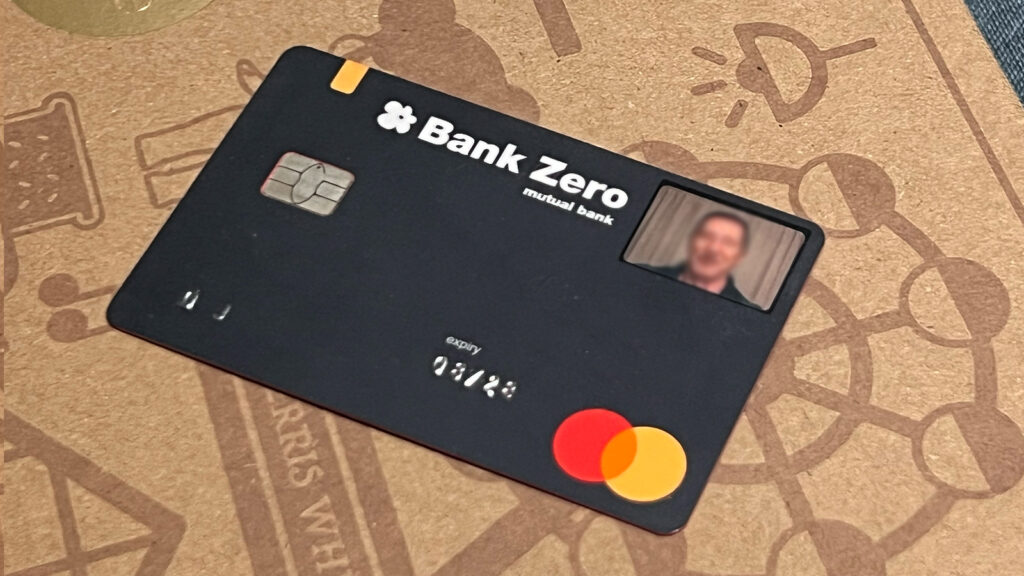
South African zero-fee bank, Bank Zero, has turned its first profit since its launch in 2021, after its deposit base more than doubled in the past year.
This is ahead of its initial break-even projection, which was anticipated to be reached by December 2026.
The bank was founded by former FNB executives Michael Jordaan and Yatin Narsai in 2018 and officially launched to the public in 2021. It was initially projected to break even within two years of its launch.
Bank Zero provides a bank account with no monthly subscription fee and lower transaction costs than conventional accounts.
Bank Zero is an app-only bank and operates independently of traditional banking structures, avoiding the need for head offices, numerous branches, and a large staff.
The digital bank operates through smartphone apps, including the Bank Zero app, Google Pay, and Apple Pay.
The bank reported that its business accounts now account for 18% of the total, surpassing the original assumption of 10% in the bank’s initial business case.
More than 80% of these accounts belong to registered companies, which typically maintain higher balances and conduct more transactions.
Bank Zero said it was designed to achieve breakeven with a significantly smaller customer base than what is usually required for a new bank.
While comparable banks require over two million customers to cover their costs, Bank Zero has achieved the same level of financial viability with 100,000 customers.
Jordaan told TechCentral that the bank has 275,000 of its own customers, and has taken on nearly half a million end customers from the remittance group Mukuru, which more than doubled the number of customers on its platform.
The group said its app functionality shows it is possible to bank without the risks of card fraud or phishing.
“Zero-fee banking is not a gimmick or a promotion, but a business that works. Reaching break-even is the proof,” said the group.
New partnerships bringing in profit

The group said that its partnerships, announced in April 2026, have helped the bank break even.
Fintechs, retailers and digital platforms can issue card products on Bank Zero’s infrastructure, which allows the bank to earn deposits and transaction fees without acquiring each customer directly.
The group explained that Alliance banking provides partners with a modern, cost-effective banking platform and enables Bank Zero to reach a larger market previously unavailable to it.
Alliance banking at Bank Zero is an infrastructure-sharing model that allows third-party fintechs, retailers, and digital platforms to create their own branded card products using Bank Zero’s backend systems.
“Looking ahead, Bank Zero’s business model and technology platform will continue to support inherent low downside risk while retaining upside benefits, as evidenced by the robust capital and operational efficiency achieved during extensive stress testing,” said the bank.
The group said that future monthly earnings are anticipated to fluctuate in the immediate short term.
However, the bank expects a strong revenue growth in 2027, accompanied by healthy profits and a surprisingly high return on equity (ROE).
This growth is primarily driven by the significant demand in alliance banking and new foreign exchange capabilities, which are currently pending approval from the South African Reserve Bank (SARB).
Bank Zero is being acquired by the South African fintech company Lesaka Technologies for R1.1 billion, with the transaction awaiting approval from the Prudential Authority and the Reserve Bank.
The bank is also seeking regulatory approval to expand into lending and foreign exchange transactions.
The bank plans to fund lending with around R860 million from its deposit book, along with funds that Lesaka is likely to invest.
















 Loading ...