

UN approves new world map – with a big change to Africa


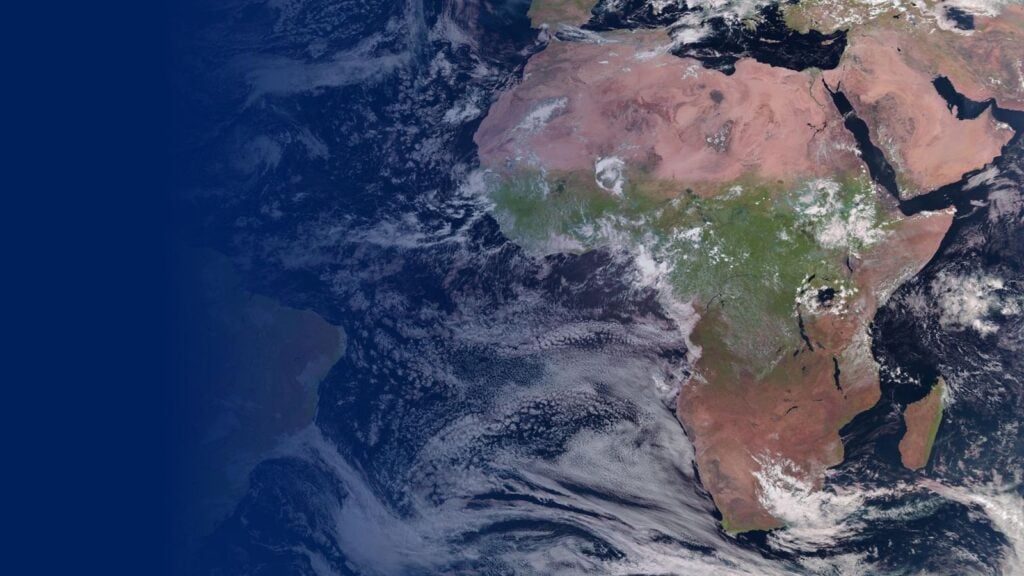
The United Nations (UN) General Assembly has approved a resolution encouraging the world to move away from the centuries-old Mercator map projection.
This is in favour of one that more accurately reflects the true size of countries and continents.
The decision, adopted on Friday by 164 votes to one, with six abstentions, represents a significant change for African countries that have argued that the Mercator projection visually diminishes the size and importance of Africa.
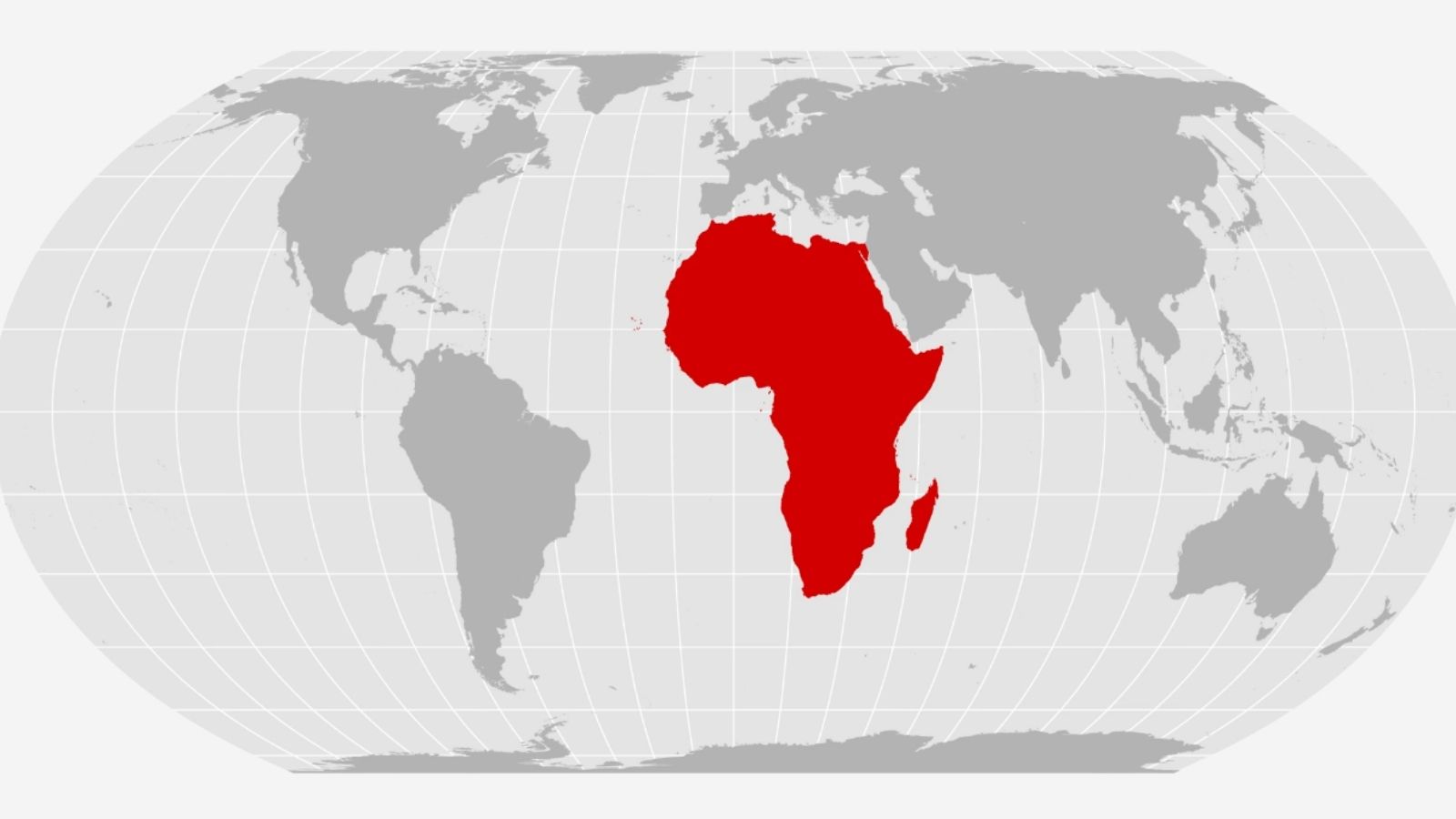
The resolution promotes the Equal Earth projection, a modern map design that preserves the relative surface areas of countries and continents more accurately than the Mercator map.
Reuters reported that the initiative was led by Togo and supports a broader African Union campaign to reduce the use of the Mercator projection, which has dominated classrooms, atlases and wall maps for centuries.
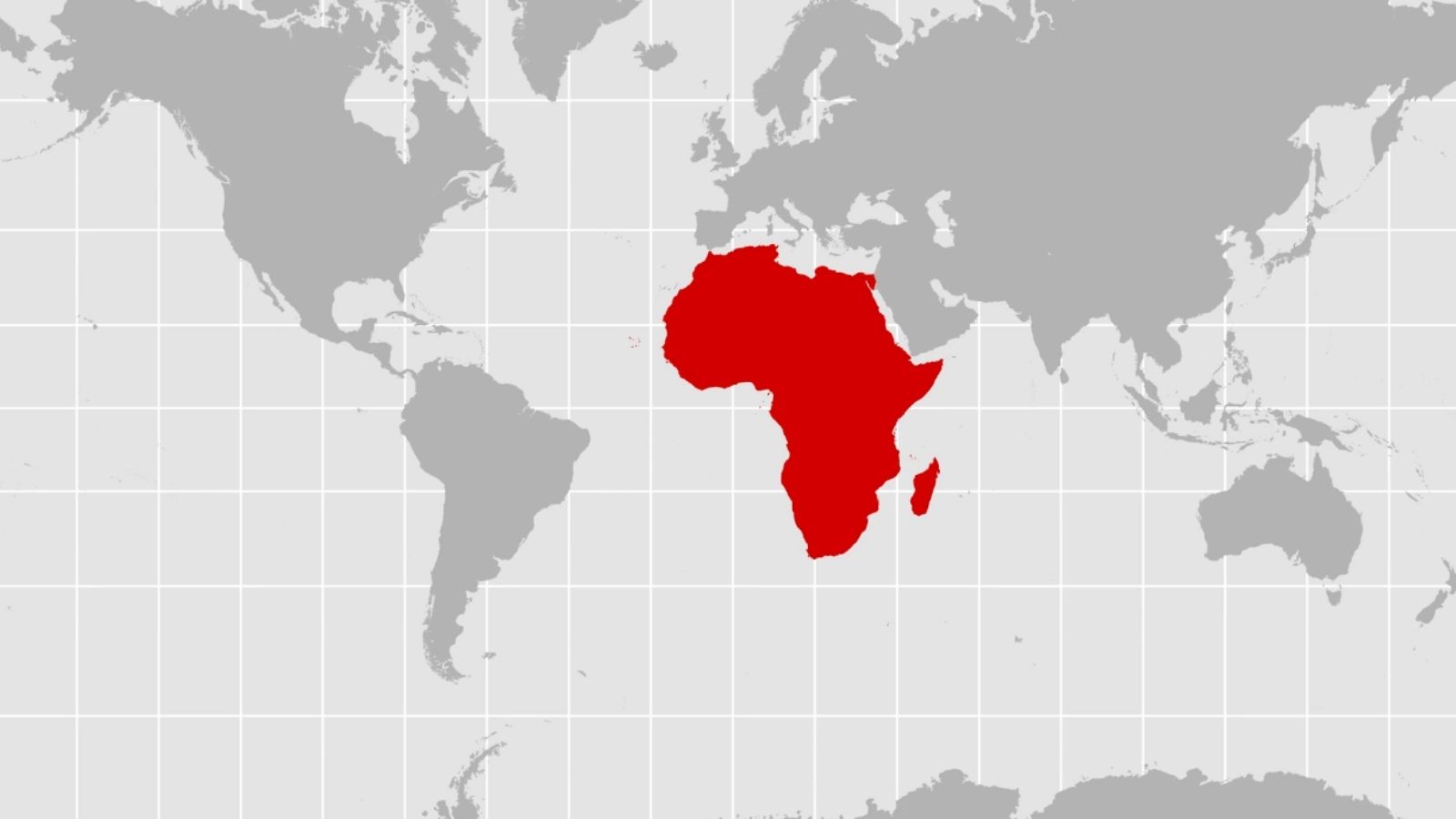
One of the major problems with the Mercator projection is its distortion of landmasses near the poles.
Greenland, for example, often appears roughly the same size as Africa, even though Africa is around 14 times larger.
This distortion is not due to the geography being wrong, but to the fact that representing a three-dimensional globe on a flat surface inevitably requires compromises.
The Mercator projection, developed in the 16th century, was particularly useful for maritime navigation because it allowed sailors to plot straight-line courses.
However, this came at the expense of accurately representing the relative size of continents and countries.
The Equal Earth projection attempts to address this problem by giving a more accurate representation of land area.
It gives Africa, Latin America, South Asia and Oceania considerably greater visual prominence than they receive on the Mercator projection.
Cartographer Bojan Savric, one of the developers of the Equal Earth projection, has previously explained that the design preserves the relative surface areas of continents.
He added that it keeps their shapes as close as possible to their appearance on a globe. Togo’s Foreign Minister Robert Dussey said the campaign was about correcting perceptions of the world.
“A fair world begins with a fair map,” Dussey said ahead of the UN vote. The resolution is not legally binding and does not ban the use of the Mercator projection.
The United States is against the change
Togo’s foreign ministry stressed that the decision “in no way challenges the use of the Mercator projection for maritime and aerial navigation, for which it remains fully suited”.
Instead, the resolution encourages governments, educational institutions, international organisations and technology companies to consider adopting more geographically accurate maps for general use.
Togo plans to lead by example. Dussey said the country hopes to change its school geography materials by the end of the year.
“Togo will be the first country to change its own geography books. In the classroom, we need to change it to give an example to all the countries in the world,” he said.
The country also plans to meet with African Union member states and supporters from other regions over the next six months to discuss how wider adoption of the Equal Earth projection can be promoted.
This could eventually include technology companies involved in digital mapping, GPS systems and other location-based services.
Dussey linked the campaign to broader African efforts to confront colonial-era legacies, arguing that the Mercator map’s global dominance was partly a consequence of European colonisation.
However, he stressed that the initiative was not an attack on Europe or any other civilisation. “The world is changing. Africa is also changing,” he said.
France has already announced that it will abandon the Mercator projection following the UN vote.
French Foreign Minister Jean-Noel Barrot said the map gives countries such as the United States, Russia and China disproportionate visual prominence compared with Africa, Latin America and Southeast Asia.
“Changing maps obviously doesn’t change the world,” Barrot said, but he argued that correcting the way the world is visually represented remains an important step.
The United States, the only country to vote against the resolution, said it promoted an “ideological agenda” and was a distraction from the “genuine problems of international peace, prosperity or good relations”.














 Loading ...