

SARS can take money directly out of your bank account without warning


The latest court ruling in favour of the South African Revenue Service (SARS) has demonstrated the taxman’s extensive powers in finding and recovering money owed to it.
This includes withdrawing money from bank accounts—even if the funds have been moved around and the account owner isn’t the one who directly owes SARS the money.
According to Tax Consulting SA, a September court ruling showed these powers in action, where SARS tracked down R900,000 that was transferred across bank accounts.
In this case, the money was part of a fraudulent tax return to a company that had then been split and paid into different accounts.
The company’s bank flagged the transaction, and the recipient’s bank account was subsequently frozen, with the receiving bank ordered to pay funds from the account to SARS.
The account holder had attempted to get his accounts unfrozen, arguing that he was not the one who owed money to SARS.
He also challenged the procedures, saying he was not given a 10-day Final Demand notice before the money was taken.
The court was not convinced and ruled that SARS had acted lawfully.
Tax Consulting said that SARS used Section 179 of the Tax Administration Act to recover the money.
Section 179 permits a senior SARS official to issue a notice to a person who holds, or will hold, money for, or on behalf of a taxpayer, requiring that person to pay the money in question to SARS in satisfaction of the taxpayer’s outstanding tax debt.
“Ordinarily, SARS may only issue such a notice after delivering a final demand to the tax debtor at least 10 business days beforehand,” the group noted.
“However, section 179(6) provides an important exception: SARS need not issue the final demand where a senior SARS official is satisfied that doing so would prejudice the collection of the tax debt.”
That exception proved important in this case.
The evidence established that the VAT refund had been obtained through fraudulent invoices and that the funds were at risk of dissipation if not secured, Tax Consulting said.
“In the circumstances, issuing a final demand would have prejudiced the collection of the tax debt.”
Moving money around won’t protect you
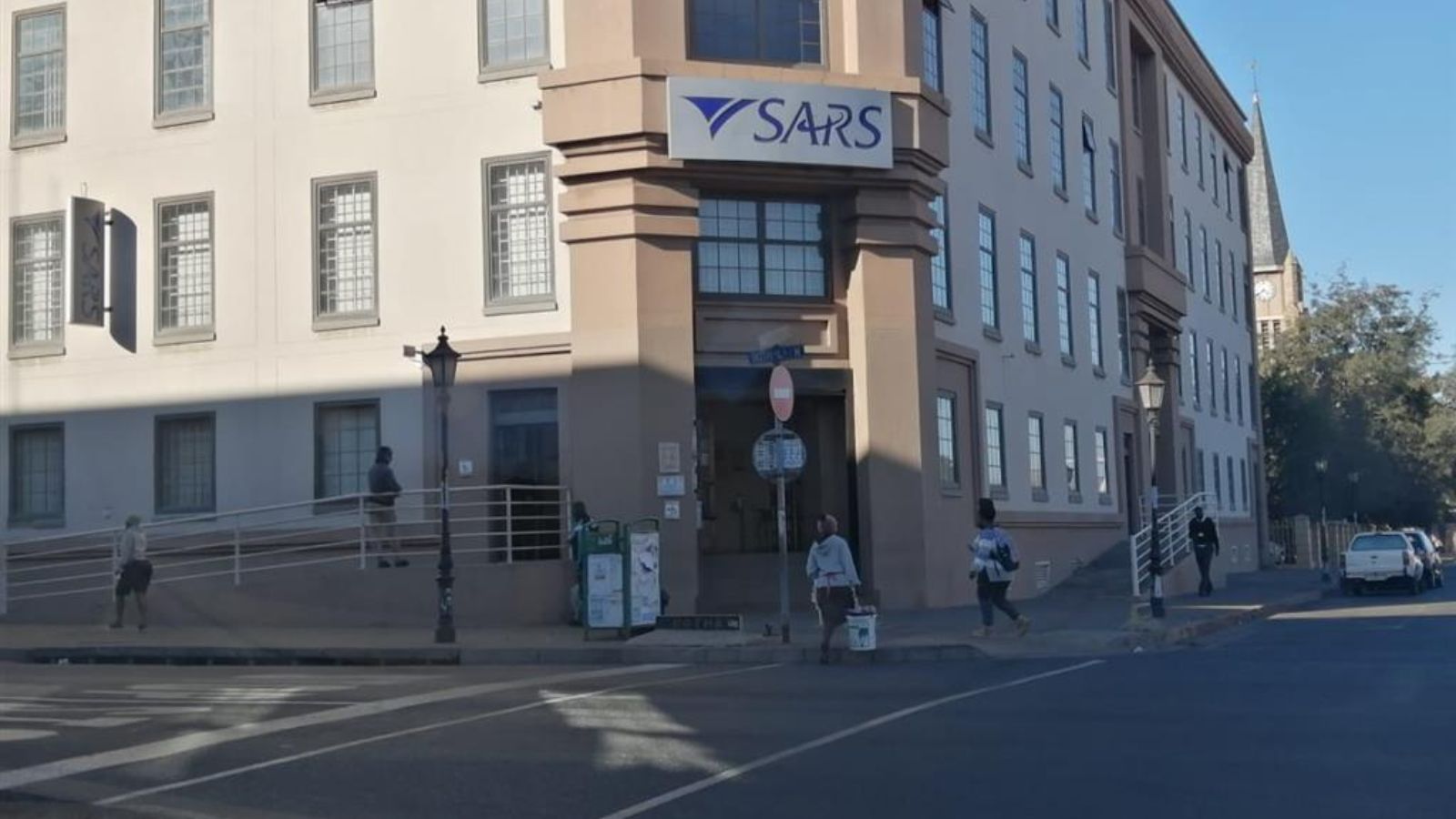
Tax Consulting said that the case also highlighted how SARS has eyes on a taxpayer’s accounts and transactions.
Through its investigations, SARS saw that the money was transferred into a dormant personal account, rather than a business account.
It also saw that the taxpayer in question had withdrawn significant sums in cash and made purchases at various retailers shortly after the deposit was made.
This, it said, was more consistent with the dissipation of funds rather than the conduct of a legitimate business.
The ruling found that the funds were thus proceeds of unlawful activity arising from fraud against SARS and were not the taxpayer’s property merely because they had been deposited into his account.
He failed to establish a clear right to the funds at issue.
Tax Consulting said that this is an important distinction, because Section 179 doesn’t grant SARS unrestricted power to recover money from any person.
Rather, the outcome of the case was closely linked to the particular facts:
It involved an improperly obtained VAT refund, evidence of fraudulent supporting invoices, rapid movement of funds, and the recipient’s inability to establish a legitimate entitlement to the transfer.
However, the case does demonstrate that moving funds out of a taxpayer’s bank account does not necessarily place them beyond SARS’s reach.
The onus also falls on the recipient to prove that they are legitimately entitled to those funds.
“Recipients of funds implicated as having improperly obtained a tax refund may face difficulty securing their release where they cannot demonstrate a legitimate entitlement to those funds,” the tax experts said.
Proposed amendments to the Tax Administration Act could give SARS even greater power to do so.
The proposed changes are to explicitly permit banks to identify refunds they reasonably suspect are linked to a tax offence.
If a bank flags a payment, it would be required to report the matter to SARS and temporarily hold the refund for up to two business days while the revenue service investigates its legitimacy.


















 Loading ...